
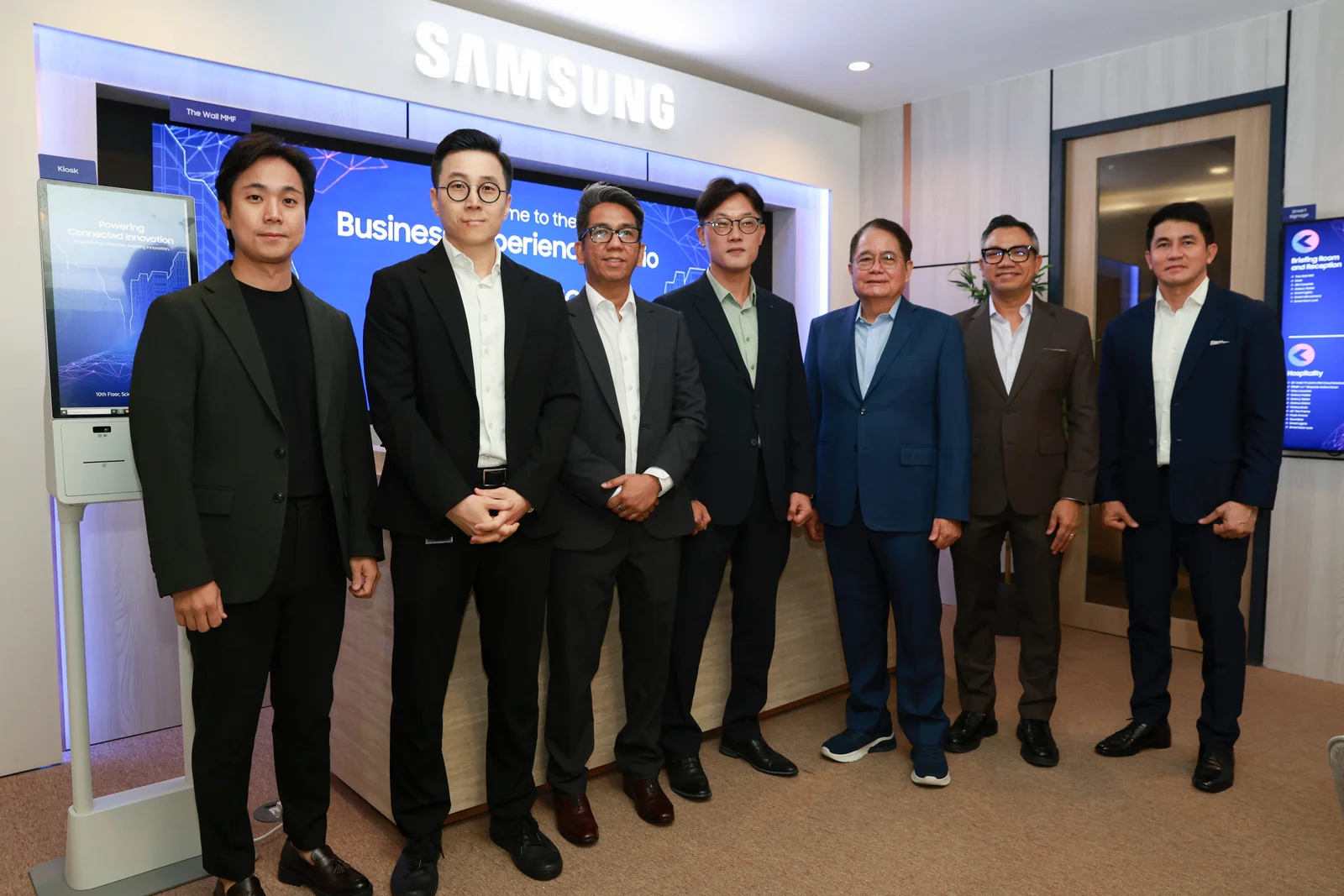
Samsung Electronics Philippines has entered a strategic partnership with Cignal to expand access to local entertainment content across Samsung’s mobile devices and smart TVs.
The collaboration aims to integrate Cignal’s content ecosystem into Samsung’s hardware platform, reflecting a broader shift toward bundled services that combine devices with media offerings.
Cignal content expands across Samsung ecosystem
Under the partnership, Samsung users will gain access to content from Cignal’s platforms, including live TV, movies, series, sports, and documentaries. This includes services such as Cignal Play and Pilipinas Live, which will be accessible through the Cignal app on compatible Samsung devices.
The move strengthens Cignal’s digital distribution, extending beyond traditional pay TV into mobile and smart TV environments where content consumption continues to grow.
Bundled offers and pre-installed local content
The deal also introduces bundled packages, allowing Cignal subscribers to access Samsung devices alongside content subscriptions. This approach mirrors global trends where telecom and content providers partner with device manufacturers to drive ecosystem adoption.
Samsung devices will also feature pre-installed content highlighting Filipino creators, giving local artists and filmmakers more visibility across a wider audience base.


Expanding digital content access in the Philippines
For Samsung, the partnership leverages its large installed base of smartphones and TVs in the Philippines to drive content consumption. For Cignal, it opens new distribution channels as audiences shift toward on-demand and multi-device viewing.
The collaboration is expected to roll out further joint campaigns and enterprise-focused packages within 2026.
Convergence of content and hardware gains momentum
The Samsung-Cignal partnership reflects a growing convergence between hardware and content platforms. As streaming and digital media continue to dominate, device makers are increasingly integrating services directly into their ecosystems to enhance user engagement.
In the Philippine market, this strategy could accelerate local content adoption while strengthening competition among platforms vying for screen time across mobile and connected home devices.