Revolutionary Silicon and Thermal Architecture
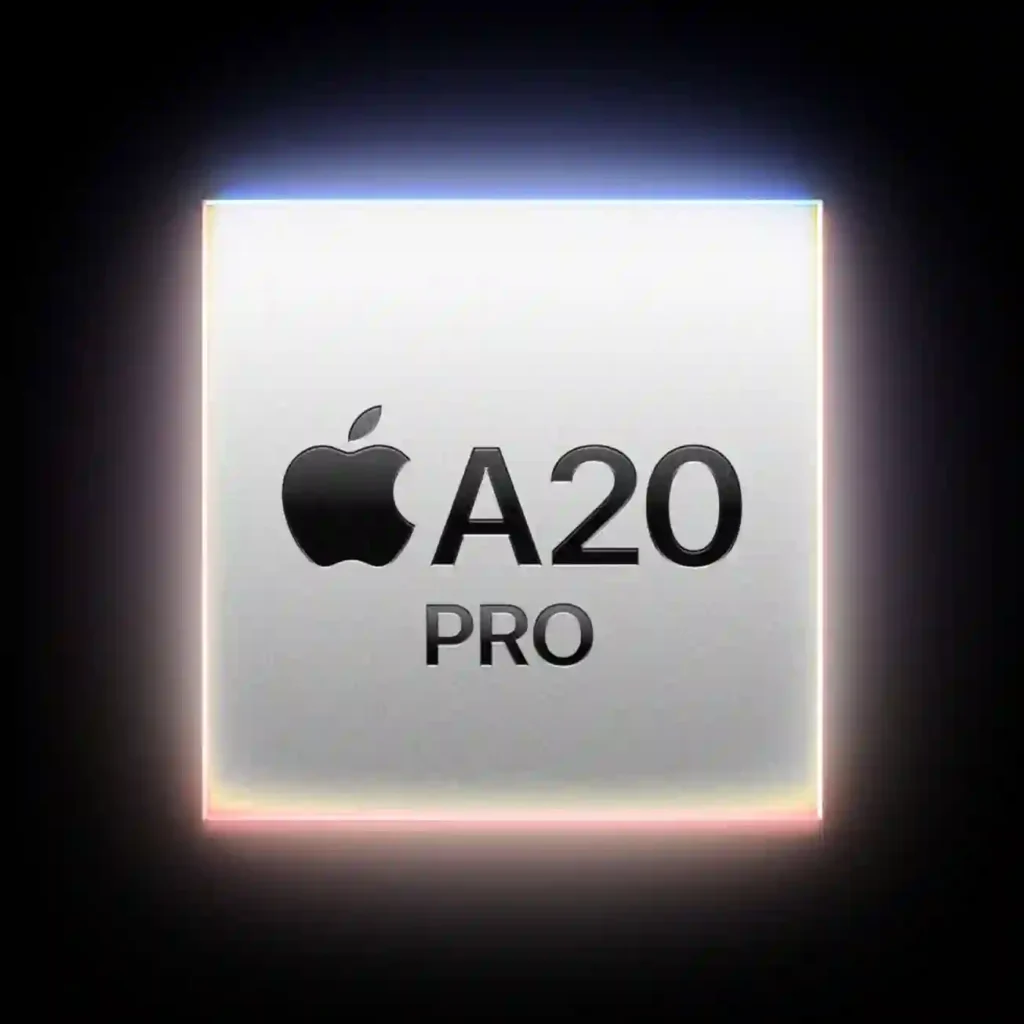
Apple iPhone 18 Series brings monumental upgrades to local mobile enthusiasts who have been waiting for true generational leaps. At the heart of the Pro models lies the cutting-edge 2nm A20 Pro chip. From an electrical and microarchitectural standpoint, transitioning down to a 2-nanometer process node is nothing short of physics-defying magic. I have always maintained that raw clock speeds mean very little if thermal dissipation cannot keep up with current leakage. Apple addresses this directly by pairing the 6-core CPU and 7-core GPU with a significantly enlarged vapor chamber.
Keeping silicon cool while pushing 50 percent more memory bandwidth than previous generations prevents thermal throttling during heavy multitasking. Furthermore, the introduction of the C2 modem elevates wireless connectivity while cutting energy consumption by 15 percent. For local consumers navigating congested Metro Manila networks, this translates to faster data uploads and better battery longevity. You no longer have to worry about your device melting in your palm while running heavy navigation apps under the tropical sun.
Advanced Optics and Professional Creator Tools
Content creators have every reason to celebrate Apple iPhone 18 Series hardware cycle. The camera system on the iPhone 18 Pro introduces a 48MP Fusion Main sensor with a mechanical variable aperture ranging from f/1.48 to f/4.0 across four preset levels. As someone who loves dissecting optical engineering, I find physical aperture blades infinitely more reliable than purely software-simulated depth of field. Being able to physically restrict light entry in harsh daylight prevents overexposure without crushing dynamic range.
Paired with a 48MP ultra-wide lens and a 48MP tetraprism periscope telephoto camera offering up to 8x lossless zoom, the setup is a mobile vlogger’s dream. You can record crisp 4K Dolby Vision footage at up to 120fps while utilizing newly added manual controls and histogram displays directly in the native camera app. Creators can ditch bulky mirrorless rigs for field shoots without sacrificing professional-grade grading and exposure tracking. It is a massive productivity booster that streamlines field production workflows from capture straight to timeline export.

The Foldable Future and Ecosystem Expansion
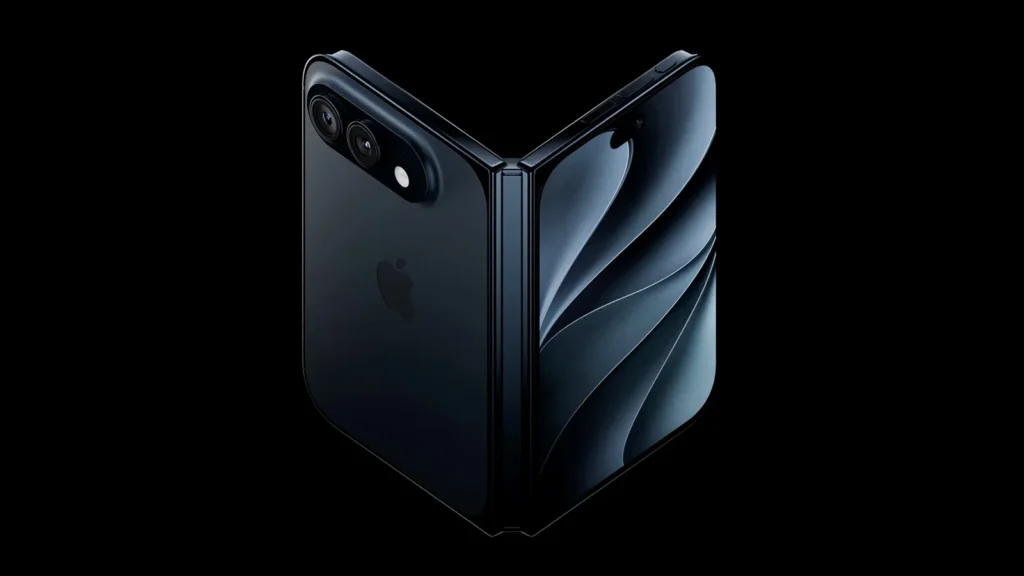
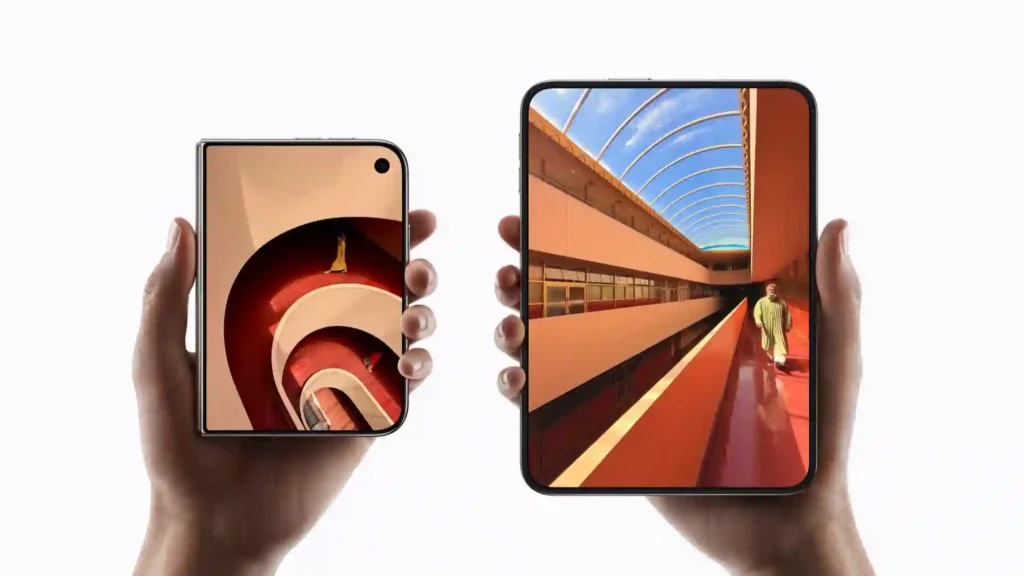
Apple has finally entered the folding smartphone arena with the introduction of the passport-style iPhone Duo. For years, skeptics wondered when Cupertino would embrace flexible displays. The device manages to stand out by being Apple’s thinnest folding phone yet, driven by the same powerhouse A20 Pro chip and cooled by an internal vapor chamber.
The foldable form factor introduces dedicated multitasking software features powered by iOS 27. For power users who love splitting screens between heavy data spreadsheets and reference documents, this device changes the game completely. It bridges the gap between pocketability and tablet-grade screen real estate. Of course, pushing cutting-edge engineering comes with a heavy price tag, but early adopters will find the seamless ecosystem integration hard to resist.
Complete Device Specifications and Philippine Pricing
To help consumers and mobile creators evaluate their hardware investments, here are the official specifications and pricing tiers for the new Apple flagship ecosystem in the Philippines:
-
Apple iPhone 18 Pro Specifications:
-
Display: 6.3-inch Super Retina XDR OLED with anti-reflective coating and a smaller Dynamic Island.
-
Processor: 2nm A20 Pro chip featuring a 6-core CPU, 7-core GPU, and dual 16-core Neural Engine.
-
Cameras: 48MP Fusion Main with variable aperture (f/1.48–f/4.0), 48MP ultra-wide with macro, and 48MP tetraprism periscope telephoto with 4x optical and 8x lossless zoom.
-
Build & Connectivity: Aluminum frame, enlarged vapor chamber, IP68 water resistance, and the new Apple C2 modem supporting Wi-Fi 7.
-
Philippine Pricing: 256GB (₱94,990), 512GB (₱110,990), 1TB (₱142,990), and 2TB (₱189,990).
-
-
Apple iPhone 18 Pro Max Specifications:
-
Display: 6.9-inch Super Retina XDR OLED with ProMotion and anti-reflective privacy coating.
-
Processor & Cooling: 2nm A20 Pro chip paired with an upgraded, larger vapor chamber for sustained performance.
-
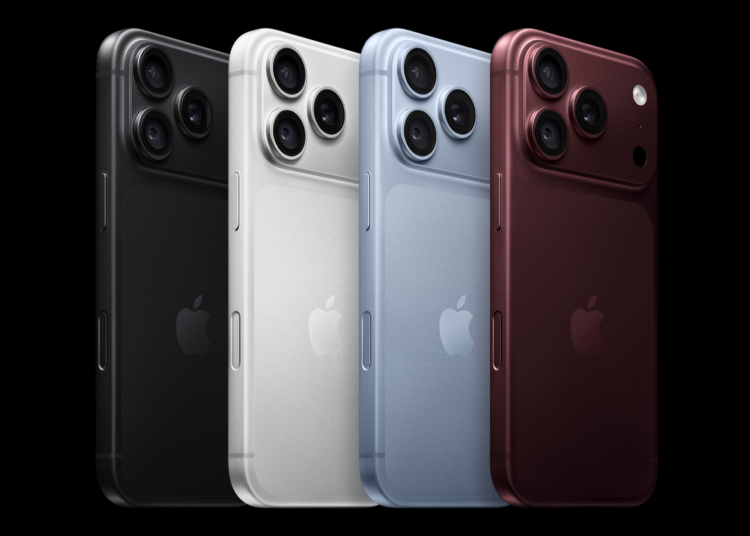
Colors: Available in Black, Glacier, Silver, and the new signature Burgundy finish.
-
Philippine Pricing: Starts at ₱99,990 for the 256GB variant, scaling up to ₱194,990 for the maxed-out 2TB configuration.
-
-
Apple iPhone Duo (Foldable) Specifications:
-
Displays: 7.6-inch inner folding Super Retina XDR screen with nano-texture finish; 5.4-inch outer cover screen protected by Ceramic Shield 2.
-
Processor & Battery: Powered by the 2nm A20 Pro chip with a Dual Battery Architecture delivering up to 24 hours of mixed use.
-
Build: Grade 5 titanium body, precision hinge mechanism, and IP68 dust and water resistance.
-
Philippine Pricing: 256GB (₱159,990), 512GB (₱175,990), 1TB (₱207,990), and 2TB (₱254,990).
-