
For doctors, nurses, and hospital administrators, paperwork remains a routine part of healthcare—even as facilities move toward digital records.
Patient registration forms, laboratory results, prescriptions, and medical records can quickly pile up, creating administrative work that takes staff away from patient-facing tasks. Epson is positioning its scanning and printing technologies as practical tools for easing these bottlenecks.
The push comes as Philippine healthcare facilities accelerate their digital transformation, including efforts to centralize patient information through Electronic Medical Records (EMRs) in line with national healthcare initiatives.
Faster patient intake starts at the front desk
For nurses and front-desk staff, one of the most time-consuming steps can be converting physical patient documents into digital records.
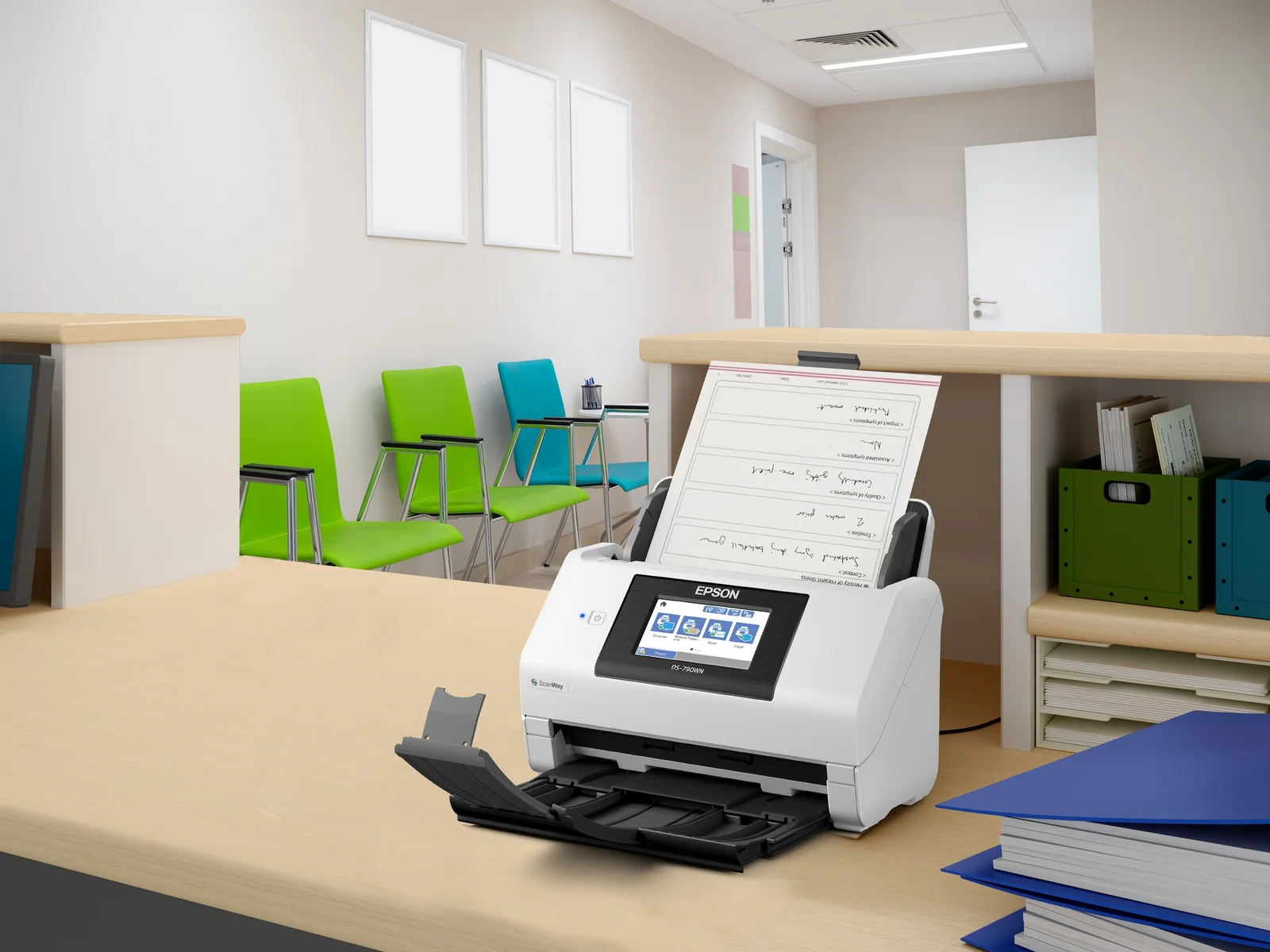
The Epson WorkForce DS-790WN is designed for point-of-care scanning, allowing staff to digitize patient charts, laboratory documents, and identification cards without requiring a dedicated computer terminal.
The scanner features a 4.3-inch touchscreen and can scan at speeds of up to 45 pages per minute. Staff can send documents directly to network folders or cloud databases, reducing the number of steps involved in getting physical records into digital workflows.

Security authentication is also built into the device to help protect sensitive patient information during document transmission.
Doctors still need reliable physical documents
Digital records do not eliminate the need for paper entirely.
Prescriptions, medical certificates, diagnostic requests, and discharge summaries can still require printed copies, particularly in private practices and community clinics.
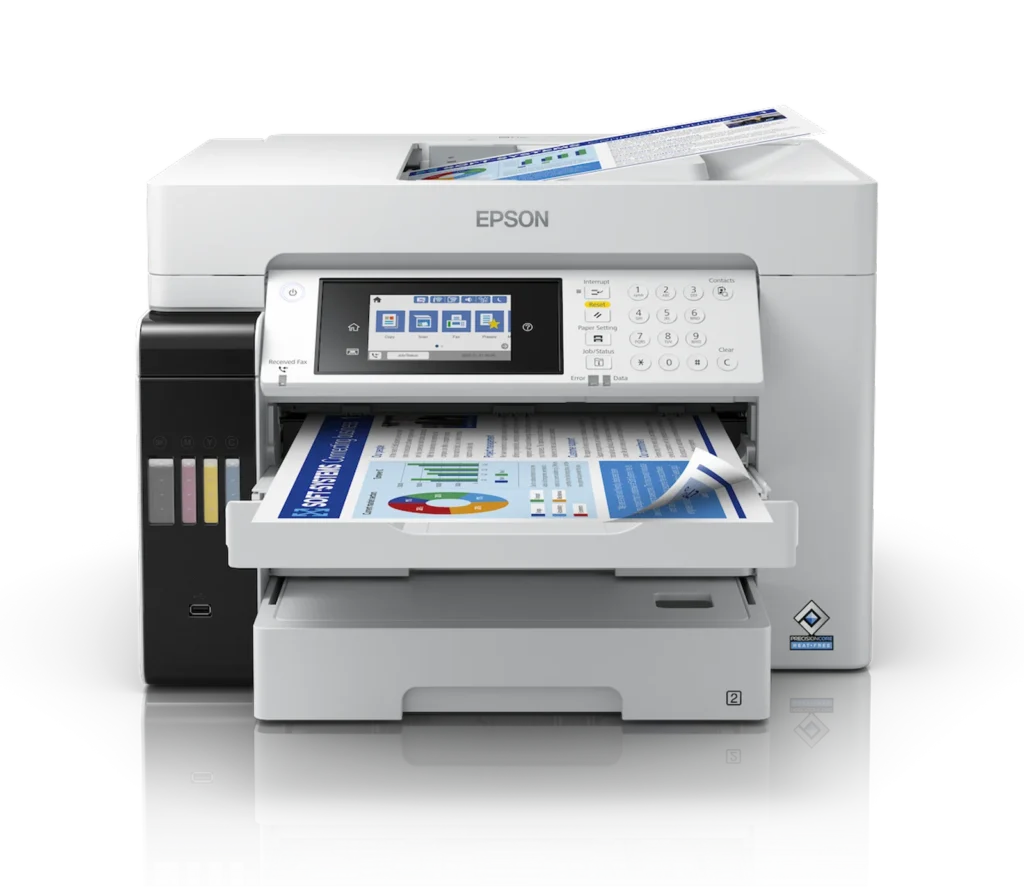
Epson’s EcoTank L15160 targets this part of the workflow with high-yield printing capable of producing up to 7,500 black pages per ink set.
Its DURABrite pigment inks are designed to resist water and smudging, helping keep prescriptions and other medical documents legible when exposed to liquids.
The printer also enables clinics to produce forms on demand, reducing their reliance on pre-printed materials and the storage space needed to keep large inventories of paper forms.
Heat-Free printing can cut energy use
For larger healthcare facilities, the concern extends beyond individual documents to the operating cost of maintaining printing infrastructure.
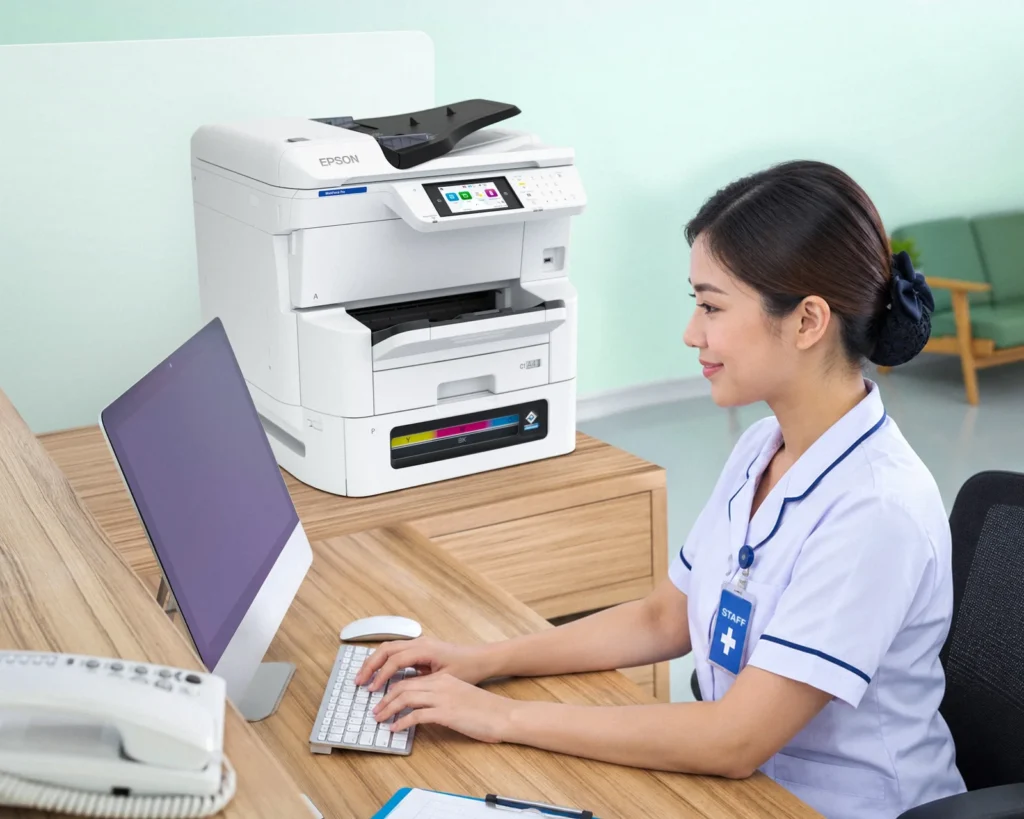
Epson’s WorkForce Enterprise and WorkForce Pro business inkjet copiers use the company’s Heat-Free Technology, which Epson says can consume up to 85% less electricity than traditional laser copiers.
For hospitals operating multiple wards and departments, lower power consumption can translate into reduced utility costs. The technology also avoids the heat generated by conventional laser printing processes.
Epson says switching to business inkjet systems can additionally simplify consumables management and reduce replacement-part waste by up to 59%.
Lessons from healthcare facilities overseas
Epson points to the Diabetes Clinic Bad Mergentheim in Germany as an example of how business inkjet technology can be applied in a healthcare environment.
The clinic reportedly replaced laser copiers with business inkjet systems, helping eliminate external form-printing costs while addressing power surges and simplifying supply management for a facility serving more than 20,000 patients annually.
For Philippine hospitals and clinics, the broader opportunity is to connect these individual improvements into a single document workflow—from scanning physical records into EMRs to producing the paper documents that healthcare professionals still need.
Technology that stays out of the way
Healthcare digitization is not simply about replacing paper with screens. Facilities also need workflows that fit into busy clinical environments without adding another layer of complexity for staff.
By combining point-of-care document scanning with high-yield and Heat-Free printing, Epson is targeting different stages of that process: faster patient intake, more efficient document production, and lower infrastructure overhead.
“Technology in healthcare should serve the people providing the care—our doctors, nurses, healthcare staff, and hospital administrators,” said Noelle Gonzalez, Head of Marketing at Epson Philippines.
For healthcare institutions balancing digital transformation with the realities of day-to-day operations, the goal is ultimately less paperwork for staff and more time spent on patients.