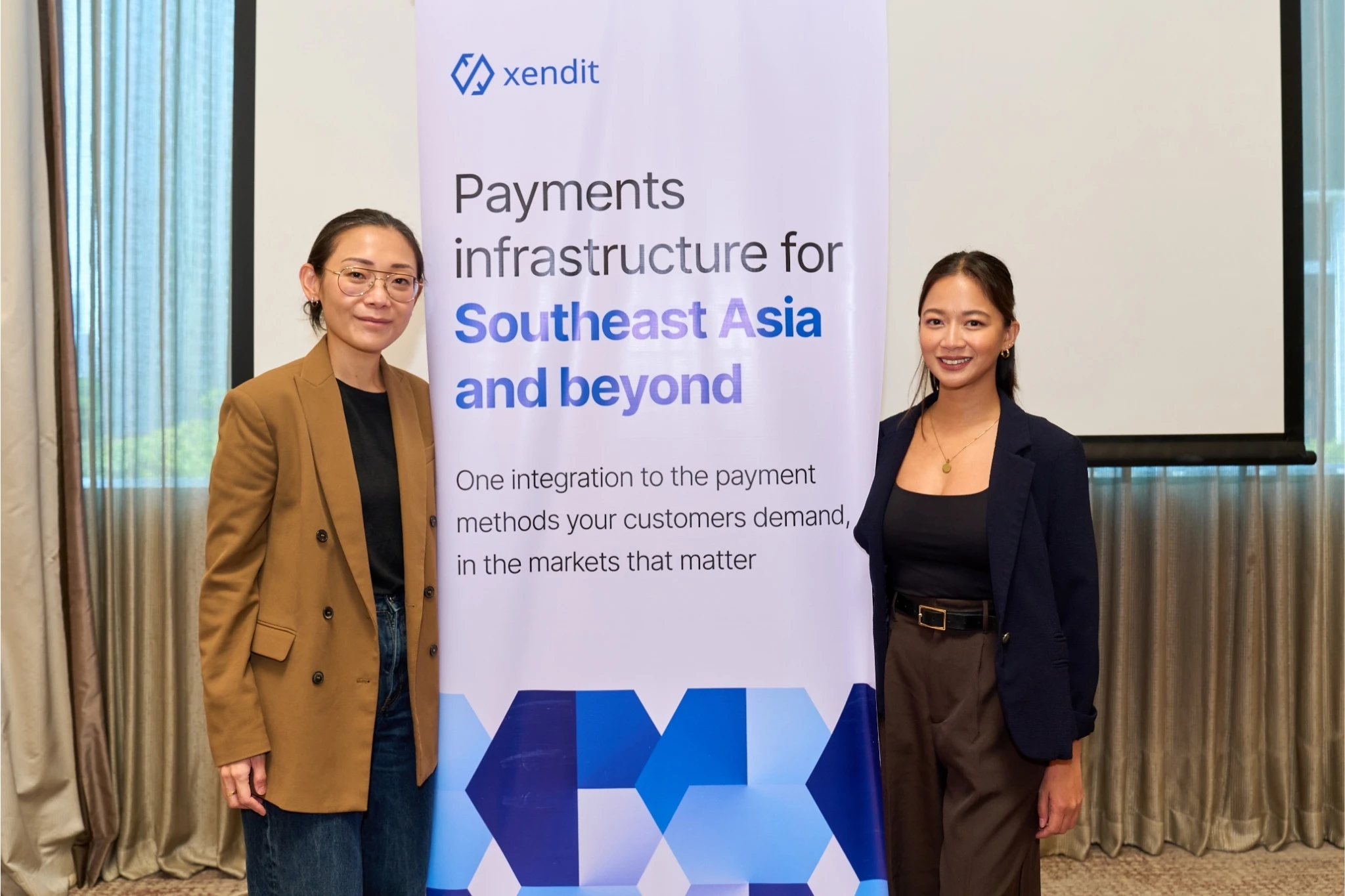

The Philippines needs to move beyond simply expanding access to financial accounts and focus on helping Filipinos build financial resilience, according to Maya Head of Corporate Affairs Toff Rada.
Speaking at the ASEAN Tech Summit Manila 2026, Rada said the next phase of financial inclusion should focus on whether financial services actually improve people’s financial security, access to credit, savings, and ability to withstand unexpected expenses.
“Access was the first phase of financial inclusion. The next phase is financial health,” Rada said. “The question is no longer simply whether Filipinos have a financial account, but whether that account is making their lives better and more secure.”
Account ownership has grown, but financial health remains a challenge
Formal financial account ownership in the Philippines has more than doubled over the past decade, increasing from 22% in 2015 to around 50% in 2025.
Despite the growth, Maya said many Filipinos still primarily use their accounts for transactions while remaining underserved when it comes to formal savings and credit products.
Rada pointed to national payment rails, digital identity, improving credit information, and the Bangko Sentral ng Pilipinas’ digital banking framework as important foundations for financial inclusion.

However, he said progress should not be measured solely by the number of accounts opened or transactions processed. Instead, financial infrastructure should ultimately help people build savings, access affordable credit, grow businesses, and handle emergencies.
Digital payments can create a broader financial relationship
Digital payments could play a larger role in bringing consumers and businesses into the formal financial system.
According to Rada, payment activity can provide financial institutions with useful signals about people and businesses that have limited or no traditional credit history. When used responsibly and with appropriate safeguards, these signals can help institutions develop more informed savings, credit, and business-financing products.
“Every payment is a data point,” Rada said. “Used responsibly, those signals can help make more people and businesses visible to the formal financial system and improve their access to financial services.”
Through the Maya app and Maya Business, payment activity can serve as a starting point for a broader financial relationship that includes savings and credit.
AI can support financial health
Rada also highlighted the role of AI in making better use of financial data.

At Maya, AI is being applied across areas including digital onboarding, personalization, credit assessment, fraud detection, and customer protection.
However, he said technology alone is not enough to improve financial literacy. Instead, financial education should increasingly be integrated into the products themselves.
“For financial institutions, financial literacy cannot sit outside the product,” Rada said. “It has to be built into the experience through clear feedback, relevant incentives and timely nudges that help healthier financial habits become second nature.”
Maya’s approach includes high-yield savings and time deposit products that allow customers to unlock time-bound savings-rate boosts and other rewards by completing defined activities.
Meanwhile, Maya XP uses a personalized engagement score, allowing customers to complete missions and challenges, receive recommendations on what to do next, and progress through levels that offer relevant rewards and benefits.
Maya pushes for stronger financial health measurement across ASEAN
Beyond the Philippines, Rada called for ASEAN to develop common ways of measuring financial health, alongside more interoperable payment and data systems.
The shift would place greater emphasis on the outcomes of financial inclusion rather than access alone.
Rada joined the panel discussion “Beyond Financial Inclusion: Advancing Financial Health at Scale” during the ASEAN Tech Summit Manila 2026, which was co-organized by FinTech Alliance.PH and the ASEAN Business Advisory Council Philippines.
The panel also featured BSP Deputy Director Kristine Orlina, VNPay JSC Vietnam Vice President Niraan de Silva, Grab Financial Group Country Head CJ Lacsican, Wise Philippines Country Manager Areson Cuevas, Bayad President and CEO Lawrence Ferrer, and Alliance of Digital Finance and Fintech Association CEO Sarah Corley.