Streamlining Hardware Architecture Under a Single Banner
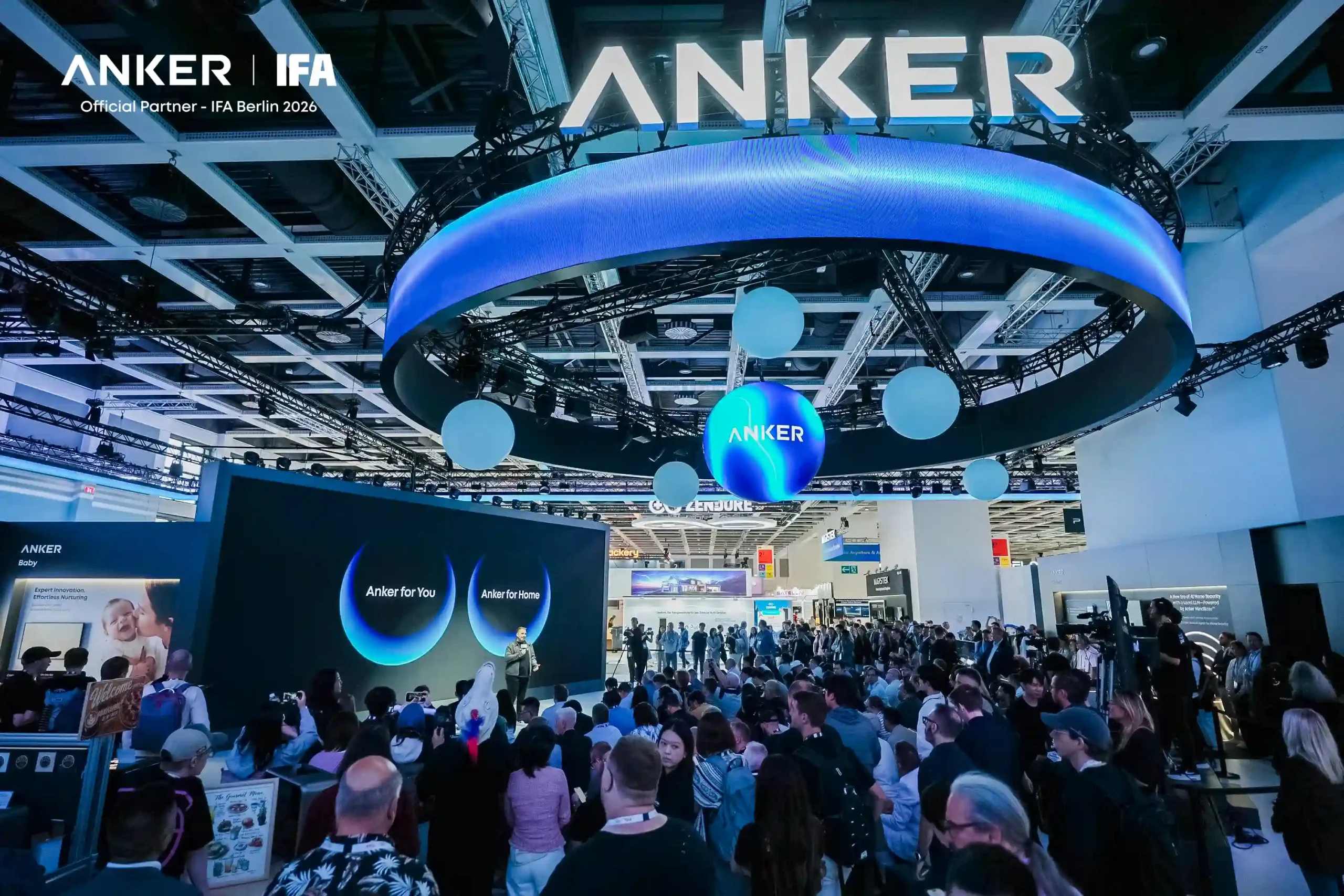
As someone who spends hours analyzing PCB layouts and silicon designs, seeing how Anker unifies its brands under a single umbrella marks a massive shift in how we build our daily device setups. For nearly fifteen years, we lived in a world where soundcore handled our personal audio, eufy guarded our front doors, SOLIX stored our backup energy, and Anker charged our devices. Managing that many separate product identities felt a bit like running a small IT department just to keep a modern household running smoothly.

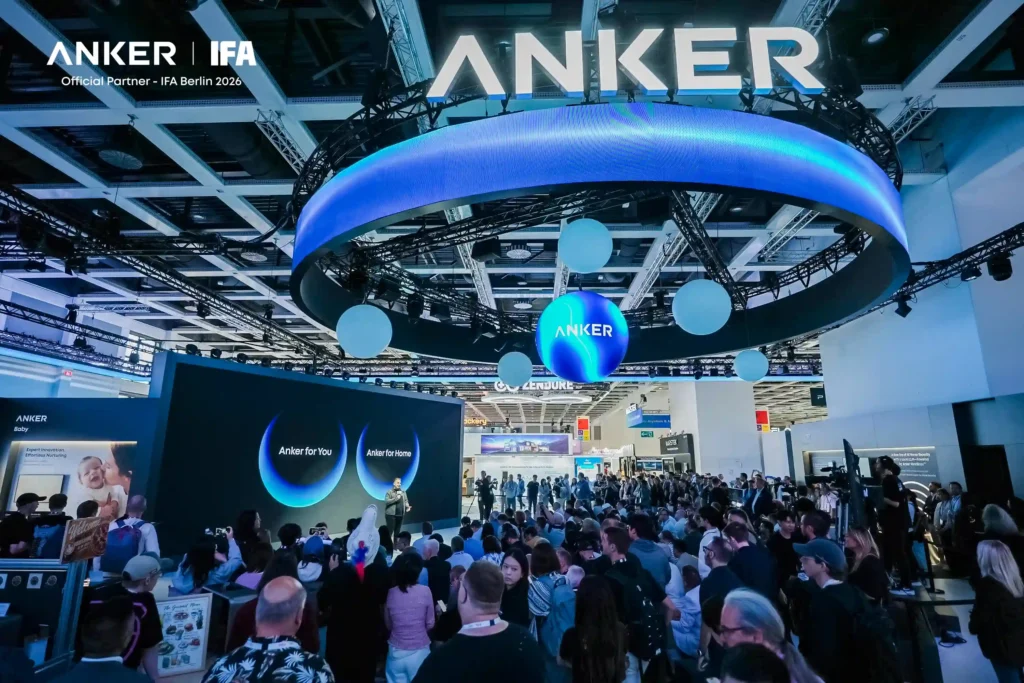
Now, everything merges into two clear hardware portfolios: Anker For You for personal mobile technology, and Anker for Home for autonomous living systems. From an engineering perspective, consolidating individual product silos into a single brand ecosystem eliminates unnecessary firmware fragmentation. When engineering teams build around one unified target, software updates synchronize faster, protocol latency drops, and cross-device onboarding becomes remarkably effortless.
Neural Silicon and Active Thermal Management for Creators
Mobile creators know the frustration of thermal throttling all too well. You are rendering a high-definition video reel on location in Metro Manila, and your portable battery pack suddenly heats up like a pocket heater, causing your smartphone processor to slow down dramatically. This is precisely where thoughtful mechanical engineering steps in to solve real problems.
The new Anker MagGo Power Bank Pro 2 packs 25-watt Qi2.2 magnetic wireless charging, but its active cooling setup is what truly blew me away. Incorporating a patented fan algorithm, dual air ducts, and graphene heat spreaders, it keeps physical operating temperatures strictly below 36 degrees Celsius. In my technical estimation, actively cooling a high-output magnetic wireless charger is a masterclass in thermal design because excessive heat degrades battery health and forces mobile processors into aggressive thermal throttling during heavy workloads.
When Anker unifies its brands, the real winner is the mobile content creator who relies on sustained performance. On the audio side, embedding their proprietary THUS AI chip into the AeroClip 2 Pro brings Neural-Net Compute-in-Memory directly into an on-ear clip form factor. Processing AI tasks locally on the chip rather than bouncing data back and forth to distant cloud servers eliminates latency. For mobile journalists conducting live interviews, having built-in AI Voice Recording to transcribe and summarize lengthy conversations directly on device saves hours of manual editing. Furthermore, pairing this with the Anker Desktop USB-C Hub—which supports dual 240Hz high-refresh displays—turns a lightweight laptop setup into a desk-grade video editing suite.
Local Hardware Processing for High-Security Smart Homes
Cloud dependency has long been the dirtiest secret of the smart home industry. If your local internet connection stutters, your high-definition security cameras often transform into expensive decorative doorstops. Furthermore, uploading private family video feeds to remote cloud servers creates ongoing privacy concerns that make many homeowners uncomfortable.
Enter Anker MindBase, a localized AI hub engineered to keep both compute power and personal data strictly inside your home network. Driven by 48TB of expandable EverSafe Memory and local AI Core compute cards, it processes complex security triggers without relying on external cloud infrastructure. Devices like the eufy TrackLight Cam S1 with its 4K telephoto lens and Smart Security Shield dual 180-degree radar sensors process stranger movements locally in real time.
Furthermore, as Anker unifies its brands, the smart home stops feeling like a disconnected collection of competing smartphone apps. Having a dedicated local hub make autonomous decisions reduces local Wi-Fi congestion and guarantees user privacy. Even routine home cleaning receives a major mechanical upgrade with the eufy Robot Vacuum Omni E35, featuring a massive 35,000Pa suction power and HydroJet 2.0 self-cleaning rollers certified to baby-grade maternal and infant standards.
Empowering Philippine Consumers with Frictionless Tech
For everyday consumers in the Philippines, brand consolidation translates directly into simpler buying decisions and better long-term reliability. You no longer need to guess whether a soundcore app will sync properly with a eufy security system or worry about navigating multiple customer service channels. Everything operates under a single warranty structure, a unified app environment, and one consistent quality standard.
Seeing how Anker unifies its brands gives local users a single trusted name across power, sound, and home protection. Frequent travelers will appreciate the compact Anker Nano Universal Charger, which packs built-in international plug compatibility for over 200 countries while delivering up to 100W power per USB-C port. Meanwhile, health-conscious users benefit from non-invasive sleep tech like the Sleep 4 Pro earbuds and SleepLab Pro bedside 60 GHz radar speakers, monitoring heart rate and HRV without requiring uncomfortable wearable chest straps.
Unifying these diverse product lines proves that consumer technology is at its best when it simply works. By prioritizing localized AI processing, active thermal dissipation, and seamless ecosystem connectivity, this unified approach provides creators and consumers with a faster, smarter, and significantly more dependable hardware setup.