Demystifying High Voltage Batteries Under Tropical Skies
Comprehensive electric vehicle safety education is becoming the most crucial catalyst for transforming the Philippine transportation landscape. For years, local car enthusiasts and daily commuters have eyed electric mobility with a mix of genuine fascination and deep-seated anxiety. We love the idea of skipping the fuel station queue, especially when global oil prices fluctuate wildly. Yet, the moment someone mentions driving a 400-volt lithium-ion battery through a typical flooded Manila avenue during monsoon season, skepticism immediately kicks in.
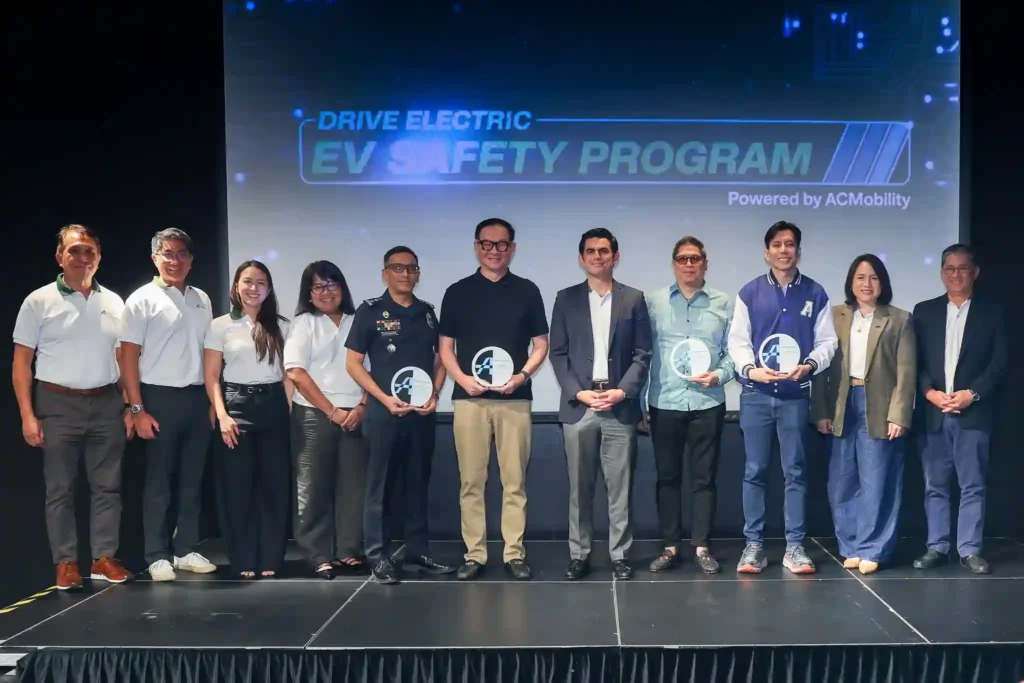
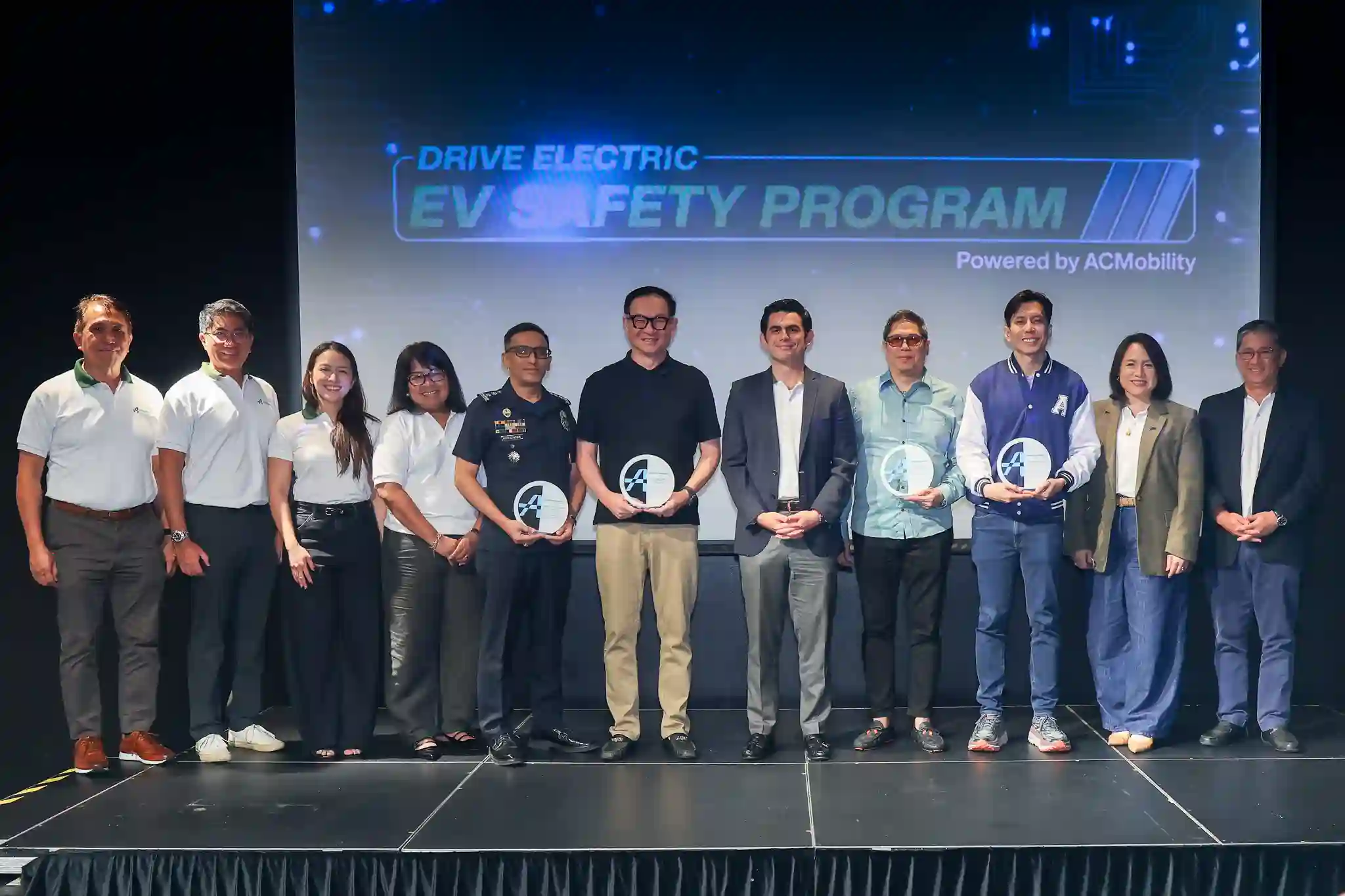
ACMobility, the mobility arm of the Ayala Group, recently tackled these exact fears head-on by launching its pioneering “Drive Electric. EV Safety Program.” Developed alongside key government and industry partners—including the Department of Energy, the Bureau of Fire Protection, the Electric Vehicle Association of the Philippines, and the Philippine EV Community—this initiative seeks to replace persistent urban legends with hard technical facts.
Speaking as an engineer who has spent years dissecting hardware architecture, power electronics, and high-voltage battery management systems, I find the general public’s fear of EV battery hazards understandable yet mostly grounded in misunderstanding. Modern electric vehicles are not hastily wired appliances. They are fortress-like electronic ecosystems. The high-voltage traction batteries inside modern electric cars are encased in high-strength aluminum alloy or ultra-high-strength steel structures, equipped with multi-stage thermal management systems and IP67 or IP68 environmental sealing.
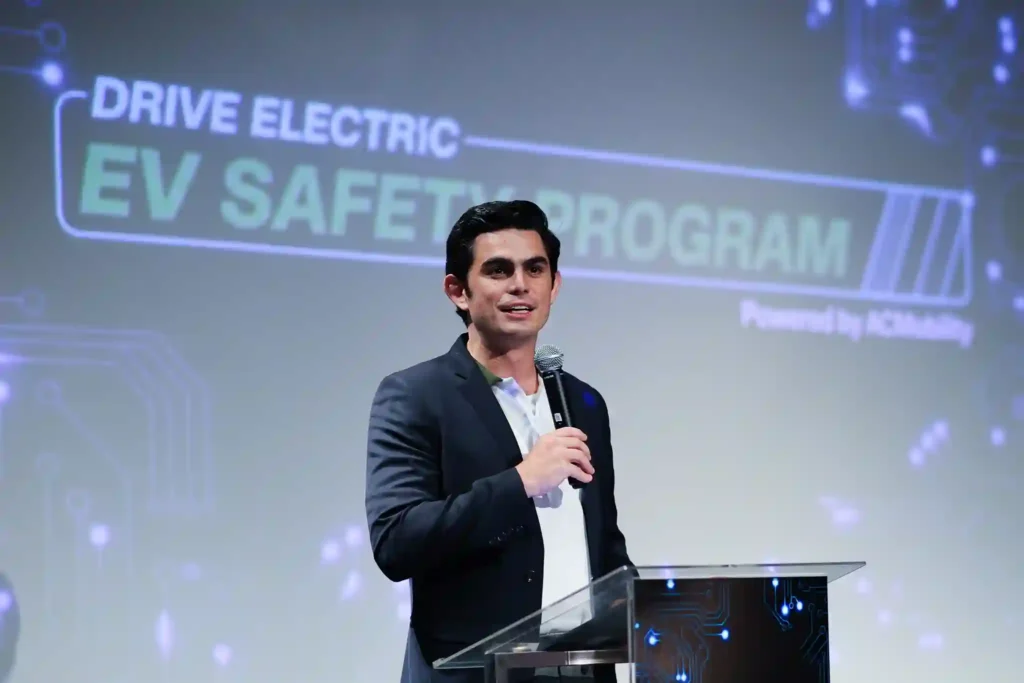
When water enters an EV chassis, automated pyrofuses and contactors physically isolate the high-voltage pack within milliseconds. The vehicle does not turn into an underwater toaster. In fact, because electric drivetrains do not require air intake snorkels like internal combustion engines, EVs can often navigate standing water without the immediate risk of hydro-locking an engine block. Understanding these structural safeguards is essential if we want local buyers to embrace clean mobility with confidence.

The Real Economics Behind the Kilowatt Hour
Beyond physical durability, the conversation around electric cars always loops back to practical daily economics. Let us be honest for a second. Gas prices in Metro Manila often feel like a toxic relationship—unpredictable, painful, and draining your bank account every weekend. The ACMobility EV Safety Program breaks down the total cost of ownership into clear, digestible metrics that showcase why shifting to kilowatts makes sense for your wallet.
From a mechanical perspective, internal combustion engines are notoriously inefficient energy converters. Roughly seventy to eighty percent of the energy released from burning gasoline is lost entirely as thermal waste and mechanical friction. You are essentially paying for a heavy heater that happens to move wheels as a side effect. Electric motors, on the other hand, operate at energy efficiency levels exceeding ninety percent.
For daily consumers, this mechanical efficiency translates directly into significantly lower operating expenses. Charging an electric car overnight at residential electricity rates costs far less per kilometer than feeding a traditional petrol engine. Furthermore, routine maintenance drops drastically. There are no engine oil changes, no spark plugs to replace, no timing belts to snap, and no transmission fluid flushes. Regenerative braking systems also take the physical burden off hydraulic brake pads, extending their service life for years. Over a standard five-year ownership cycle, the operational savings easily offset the initial purchase price differential.
Mobile Creators and the Power of Bidirectional Charging
While daily commuters benefit from reduced running costs, mobile creators and digital storytellers stand to gain a completely new level of creative freedom from modern EV technology. The rise of outdoor vlogging, remote content production, and mobile journalism in the Philippines requires reliable off-grid power. Historically, production teams had to lug around noisy, heavy gasoline generators or bank on limited portable power stations that run out of juice after a few hours of intensive shooting.
Modern electric vehicles equipped with Vehicle-to-Load (V2L) technology completely eliminate this operational bottleneck. V2L effectively transforms the car into a massive, rolling 3.3kW power station. A content creator shooting a travel documentary in the remote hills of Tanay or along the coast of La Union can plug heavy cinema lights, drone battery chargers, high-end editing laptops, and active cooling fans directly into the car’s exterior power outlet.
Having access to fifty to eighty kilowatt-hours of stored energy on location is a game-changer for production workflows. You can run a full high-definition video editing suite inside the air-conditioned cabin of your vehicle while charging five camera batteries simultaneously in the trunk. For live-streamers and remote journalists covering breaking news or outdoor events across the provinces, an EV functions as a self-contained mobile broadcast station that never runs out of power during an extended shoot.
Standardizing Safety and Expanding Archipelago Infrastructure
Education without physical infrastructure is merely theoretical. ACMobility recognizes this reality, which is why the EV Safety Program is tightly integrated with their expanding charging ecosystem, spanning over 200 locations nationwide. Under the leadership of Chief Executive Officer Jaime Alfonso Zobel de Ayala, the group is aggressively building out a nationwide network that supports their portfolio, which includes BYD, Kia, Isuzu, and Denza.
The five-module educational curriculum created for this program provides clear guidance on safe charging practices, emergency response protocols, and long-term battery health management. Collaborating directly with the Bureau of Fire Protection ensures that local first responders and municipal safety officers are properly trained on handling high-voltage vehicle systems during road incidents. This structural alignment between government regulators, infrastructure providers, and private automakers creates a standardized safety framework that protects everyone on the road.
Through nationwide community workshops, corporate seminars, and hands-on test drive events, ACMobility is systematically removing the mystery surrounding electric vehicles. Shifting to electric mobility is no longer a risky gamble for early adopters. It is a calculated, technologically sound upgrade that promises cleaner air, lower operating costs, and unmatched versatility for everyday Filipino drivers and forward-thinking creators alike.