
Bridging Automotive Precision and Humanoid Hardware
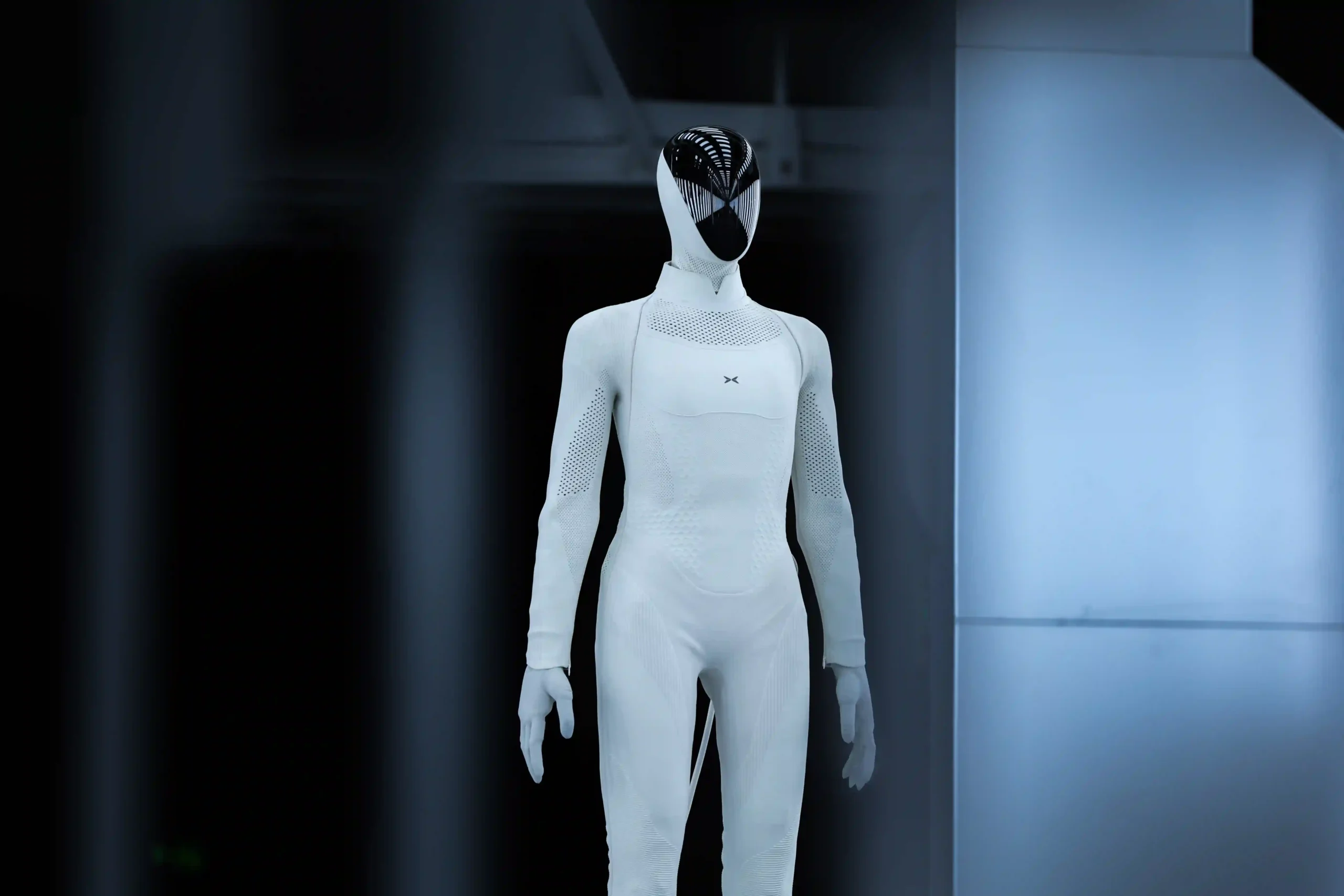
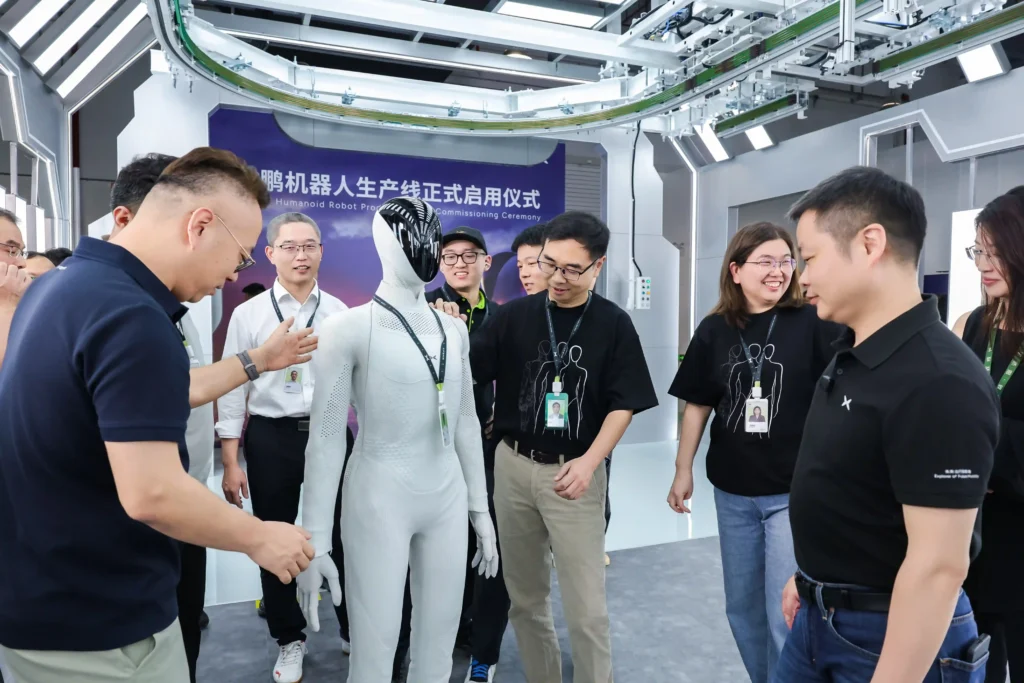
The boundaries of hardware automation are expanding rapidly, and the line between automotive assembly and advanced robotics has officially blurred. As XPENG officially commissions its automated humanoid robot production lines in Guangzhou, the company has introduced a scalable physical AI platform engineered for volume production. The historic milestone was marked when the first next-generation XPENG IRON unit autonomously walked off the factory floor. That single autonomous step represents a critical transition from research R&D prototyping to standardized, commercial-grade manufacturing.
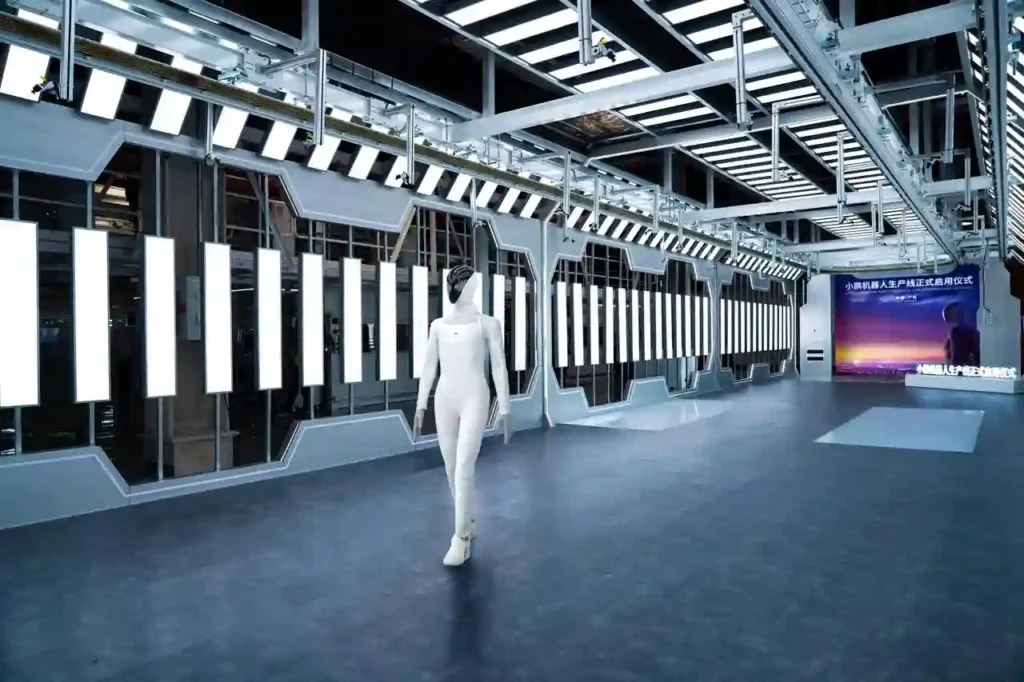
Creating production lines from scratch with no prior industry precedent requires immense engineering discipline. By automating more than 80 percent of its core manufacturing processes, XPENG has established a flexible, high-precision assembly system. The facility applies automotive-grade quality control standards—originally developed for smart electric vehicles—directly to precision robotics. This rigorous quality system maintains consistent execution across critical build stages while supporting rapid capacity expansion. Chairman and CEO He Xiaopeng noted that this step begins charting a brand-new path toward a leading global robot manufacturing industry.

As an engineer who routinely inspects structural frames and circuit architecture, I find the physical design of XPENG IRON exceptionally clever. The machine utilizes a proprietary, fully enclosed flexible lattice structure that balances sleek aesthetics with human physical safety. Achieving 76 degrees of freedom across its main chassis and 21 degrees of freedom in each hand represents a massive electromechanical achievement. That high level of hand articulation allows it to manipulate delicate tools with high tactile dexterity. Frankly, if it can safely handle delicate components without crushing them, I might just hire one to organize my fragile camera lenses and brew my morning espresso.
Silicon Compute Density at the Edge
Raw mechanical mobility means very little without massive on-board computational capacity. Advanced humanoid machines require high-throughput silicon to perceive dynamic environments, compute complex kinematic paths, and execute physical tasks in real time. XPENG solves this processing challenge by equipping the IRON platform with three proprietary AI Turing chips.

These specialized processors deliver an astounding 2,250 TOPS of computational performance directly on the machine. This immense processing headroom allows XPENG to deploy its Physical AI foundation model locally on the robot. Consequently, IRON can perform complex operational tasks autonomously without relying on remote human guidance or external cloud infrastructure. Localized execution also delivers ultra-low-latency motor responses while keeping user sensory data strictly secure on-device.
From a system architecture perspective, eliminating cloud dependency for real-time motor control is a fundamental breakthrough. Cloud latency can easily turn a routine obstacle avoidance maneuver into an awkward mechanical failure. By processing complex neural networks locally, the machine continuously learns and improves through real-world self-reinforcement. Building a true scalable physical AI platform demands this exact harmony between high-density edge compute and precise mechanical actuation.
Consumer Impact and Creator Ecosystem Synergy

What does this leap in Physical AI mean for everyday consumers and digital creators? XPENG plans to initiate mass production by the end of 2026. Initial commercial deployments will focus on company stores and corporate campuses, followed by broader market availability and overseas deliveries in 2027. Designed as a general-purpose humanoid, IRON is ultimately built to assist in daily living, enhancing human productivity and serving as an interactive companion.
For mobile content creators and tech professionals, the arrival of high-dexterity robotics promises to revolutionize production workflows. Imagine automated studio assistants managing heavy lighting rigs, organizing camera gear, or handling repetitive set logistics during long field shoots. The 21 degrees of hand freedom allow the robot to adjust delicate equipment smoothly, freeing creators to focus entirely on visual storytelling and creative direction.
The groundwork for this intelligent ecosystem is arriving locally very soon. XPENG is officially launching in the Philippines on September 25, 2026, introducing its Physical AI vision to the local market. The launch will showcase the XPENG X9—a flagship seven-seater executive MPV featuring active rear-wheel steering, an Intelligent XOS Cockpit, and dual-chamber air suspension—alongside the sleek L03 AI SUV coupé.
XPENG is building its long-term strategy around three core growth pillars: automotive, robotics, and globalization. Capital markets have responded enthusiastically, with XPENG’s robotics business securing over US$900 million in private funding at a post-money valuation exceeding US$6.3 billion. Given the high technical barriers in humanoid development, the segment is positioned as a major second growth engine. Connecting intelligent electric vehicles and humanoid hardware under a single software framework brings this scalable physical AI platform vision straight into our physical world.