
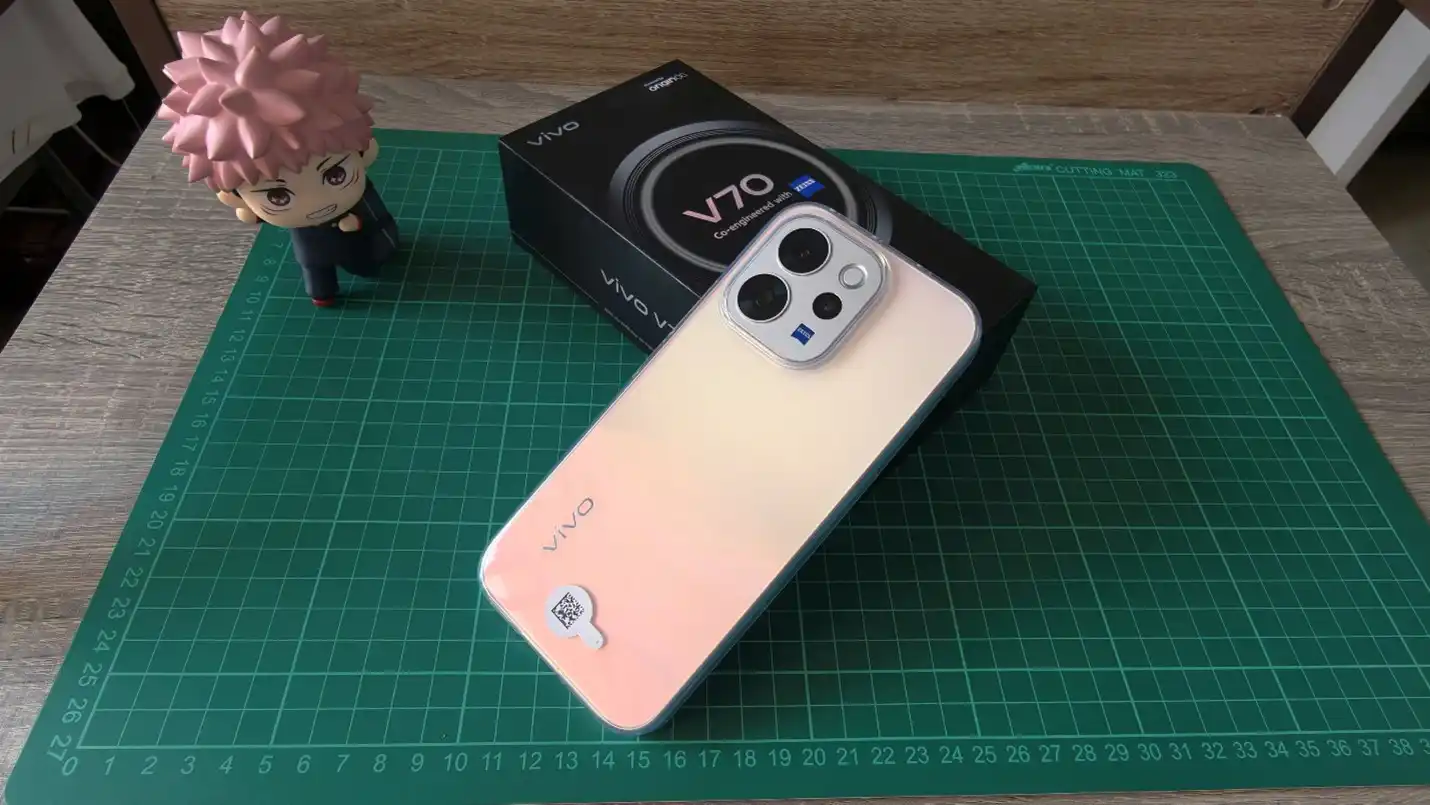
The Computational Engine of the V70
The megapixel wars of the early 2010s have finally ended. We have entered a new era where silicon and software are the primary architects of our memories. The vivo V70 is a clear manifestation of this shift. It proves that Achieving Flawless Travel Photography is no longer a matter of lugging a heavy camera bag across an airport terminal. It is about how the internal neural processing unit interprets the world.
For the average consumer, this technology is a safety net. You no longer have to worry about a ruined vacation photo because the sun refused to come out. For the mobile creator, this is a productivity tool. It cuts down hours of post-processing time into a single tap. The device acts as a digital companion that understands the intent behind your shot, not just the raw light hitting the sensor.
The V70 uses a sophisticated deep-learning model to analyze every frame. It identifies sky, skin tones, and foreground objects with startling accuracy. This is not just a collection of filters. It is a real-time reconstruction of your environment designed to make every shot look professional.
Engineering Weather at the Pixel Level
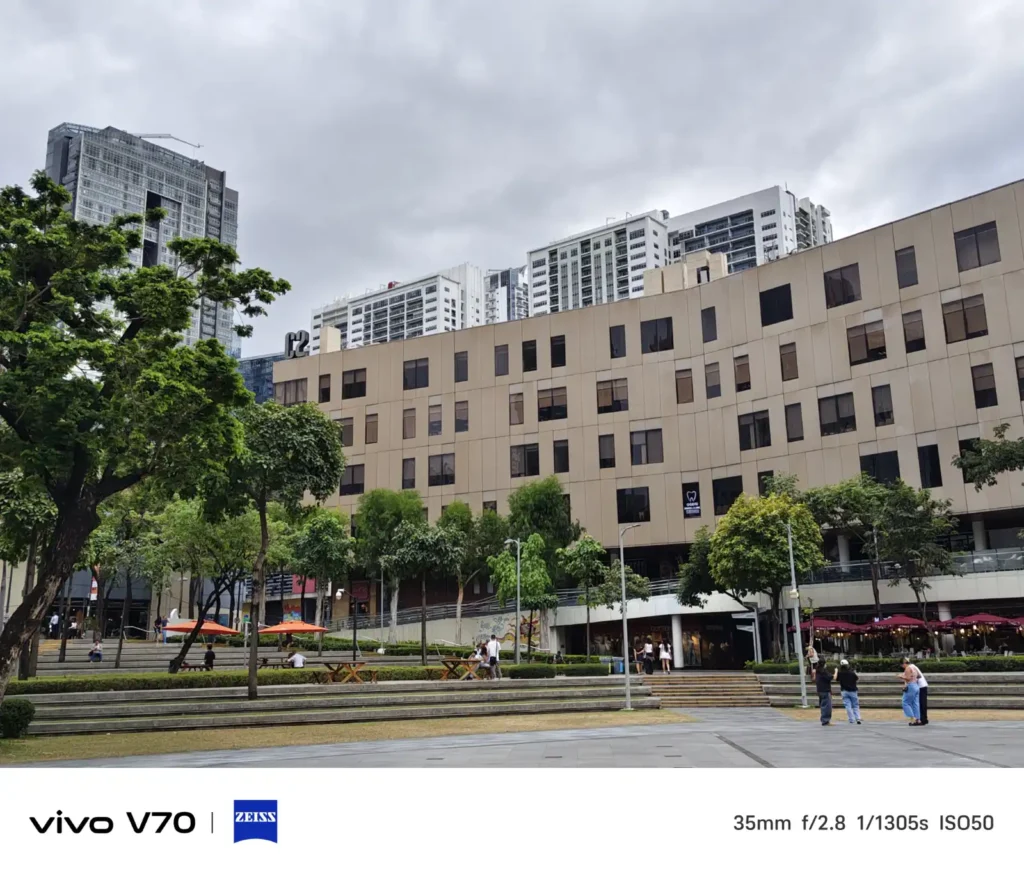
I spent ten years in automotive manufacturing and another eight years in aviation maintenance as a mechanical engineer. In my world, you cannot simply “fix” the weather. If a storm hits a flight path, you deviate. If a production line loses power due to a surge, you wait. There is a rigid finality to physical systems that I have spent nearly two decades navigating.
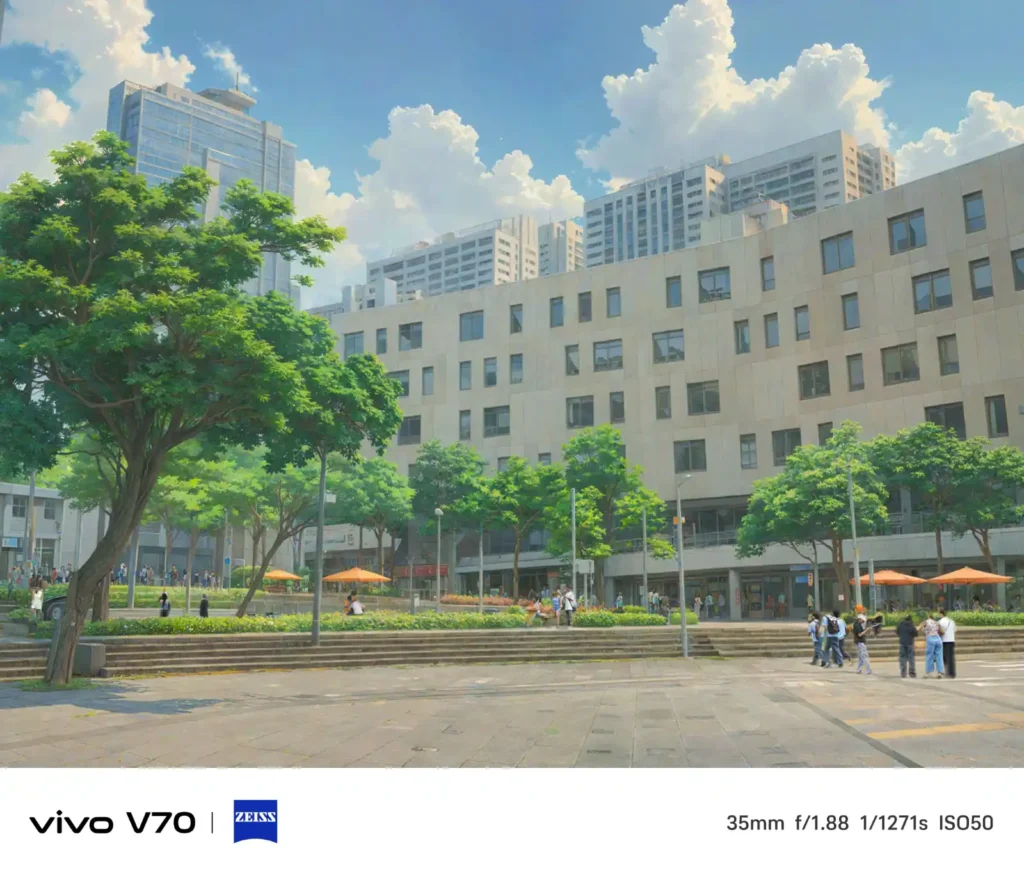
That is why I find the AI Magic Weather feature on the V70 so fascinating from a technical standpoint. In the digital realm, weather is just a set of color frequencies and luminosity values. By rewriting these values, vivo has created a way to bypass the physical limitations of a shooting day. Achieving Flawless Travel Photography often feels like a gamble with nature, but the V70 changes the odds.
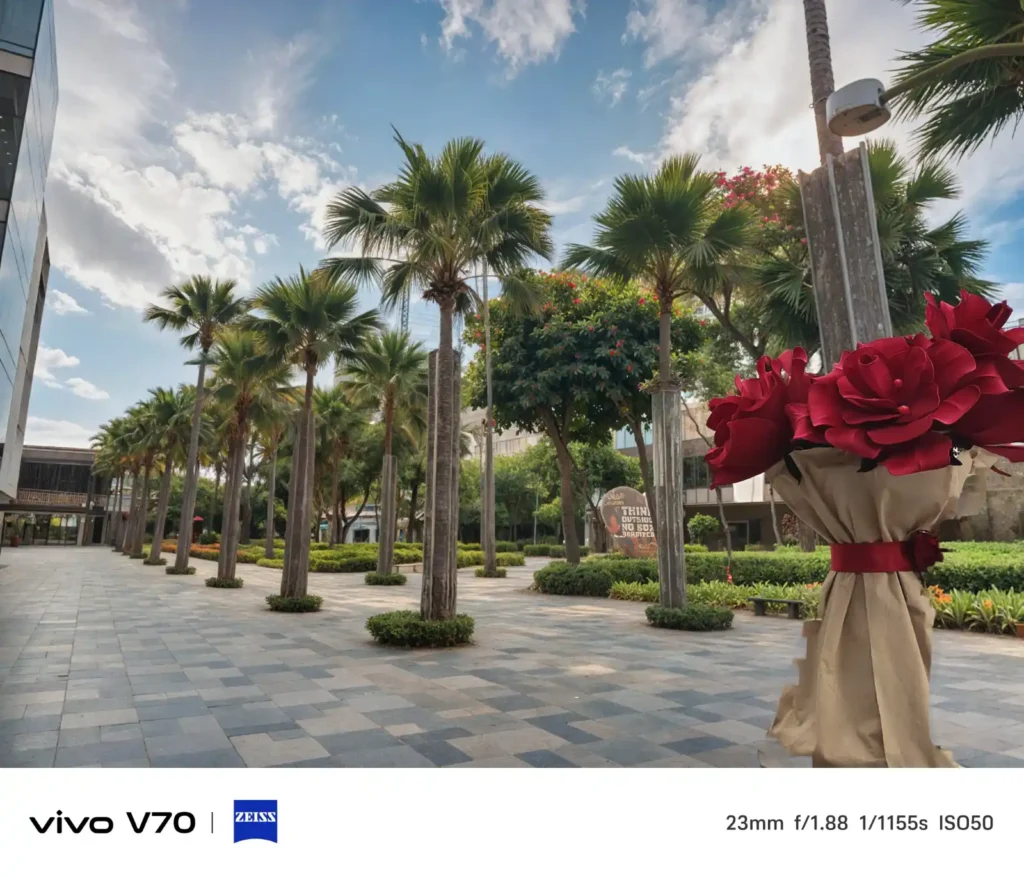
I look at this as a thermal management problem for pixels. The AI identifies the “cold” tones of a cloudy sky and mathematically rebalances them into “warm” sunset hues. It uses semantic segmentation to ensure the light wrap on your subject matches the new sky. It is a complex engineering feat disguised as a simple camera feature.

Erasing the Chaos of the Crowd
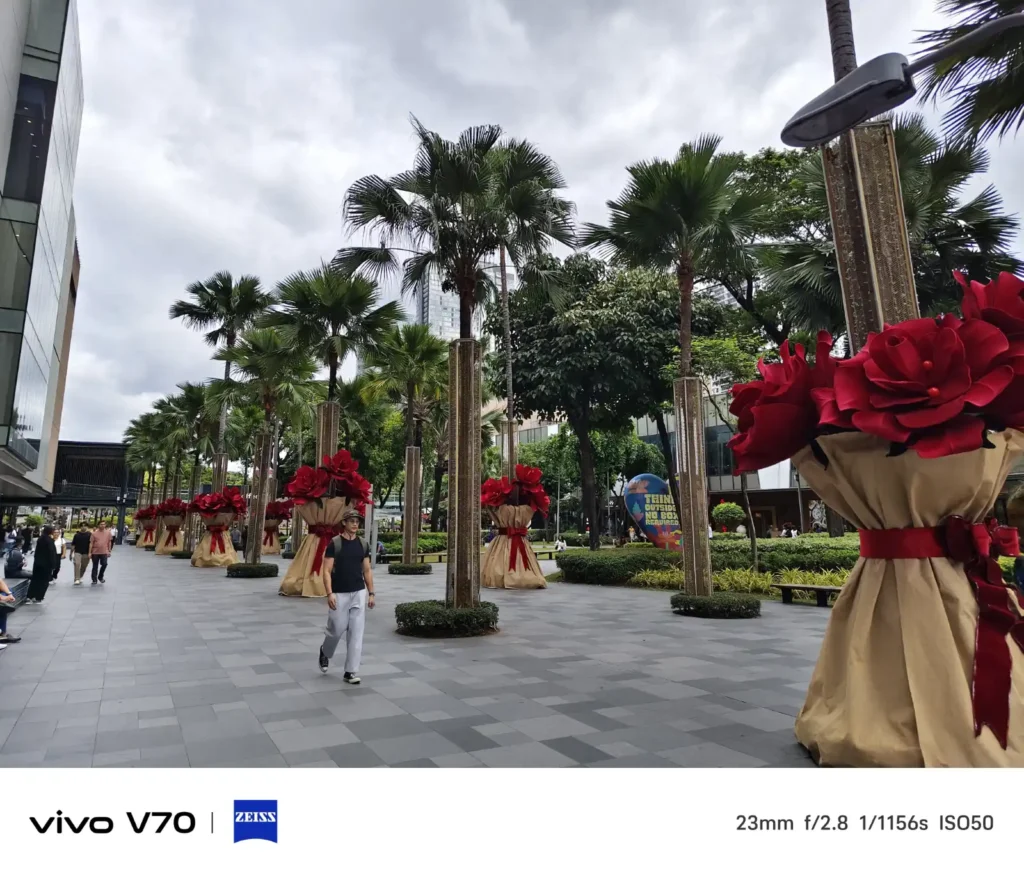
Iconic landmarks are a nightmare for photographers. You travel all the way to a historic cathedral only to find it crawling with tourists in neon shirts. Traditionally, you would need to set up a tripod and take multiple long exposures to “blur” people out. Or, you would spend an hour in Photoshop using the clone stamp tool.
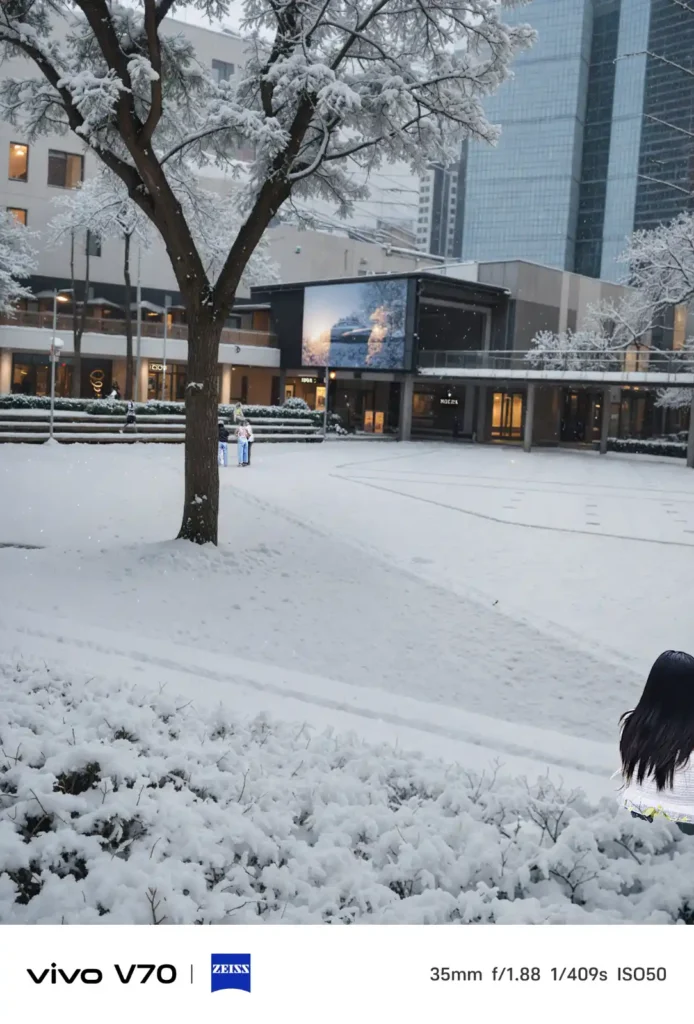
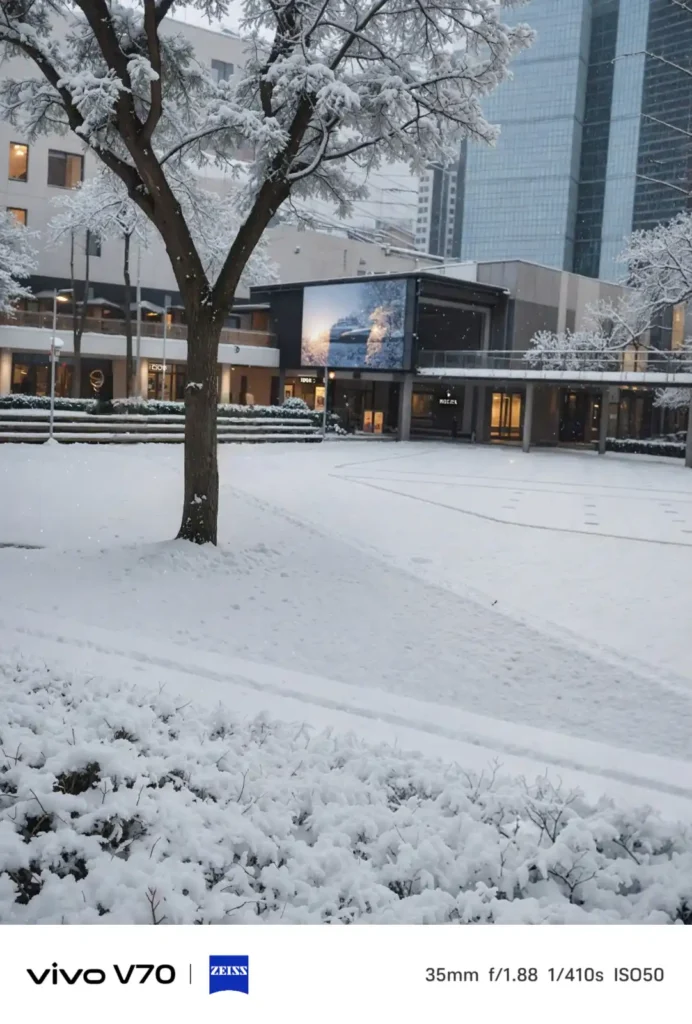
The V70 handles this with AI Retouch. It is a localized content-aware fill that operates directly on the device. The system identifies unwanted passersby, removes them, and then intelligently predicts what should be behind them. It reconstructs the background based on surrounding textures and patterns.
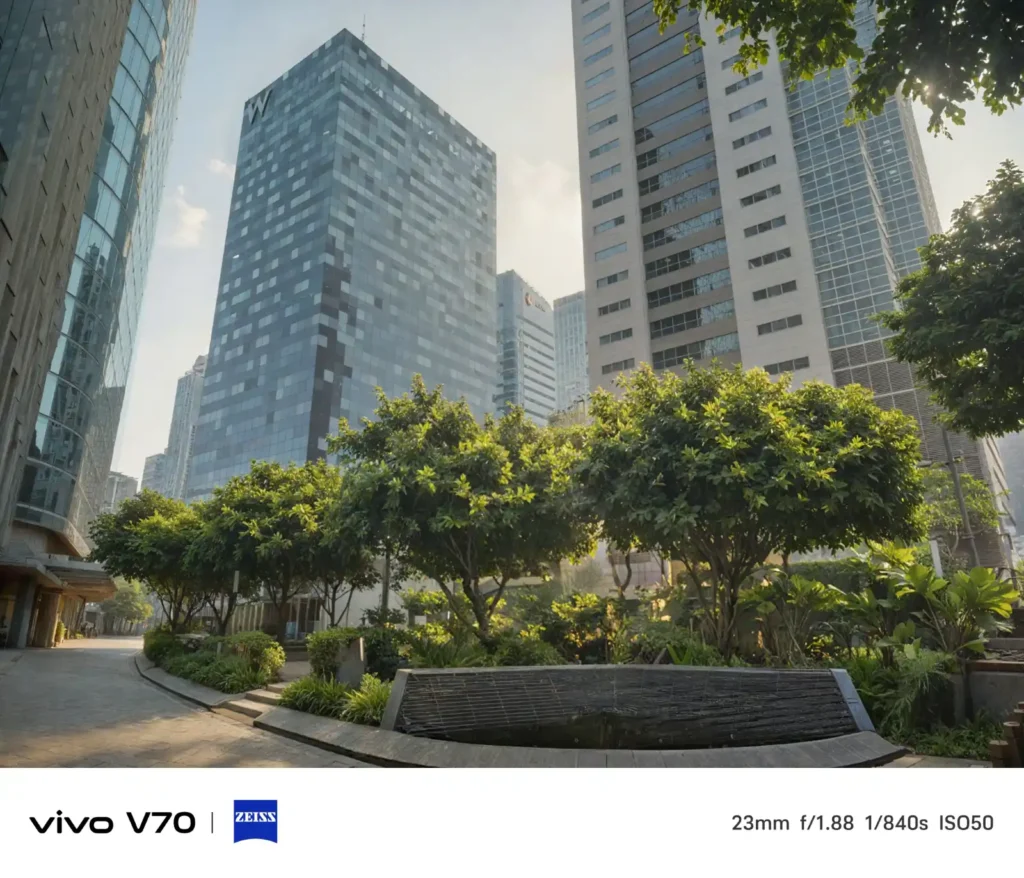
This is a massive win for mobile creators. When you are on a tight production schedule, you do not have time to wait for a street to clear. This feature allows you to capture the shot immediately and clean it up on the ride back to the hotel. It provides a level of control over your environment that was previously reserved for high-end desktop software.
Algorithmic Scenery Adaptation in Real Time
The secret to Achieving Flawless Travel Photography lies in how the camera adapts to different global environments. The V70 does not treat a desert the same way it treats an island. It utilizes specific scenery modes that adjust the contrast and saturation profiles based on the detected geography.
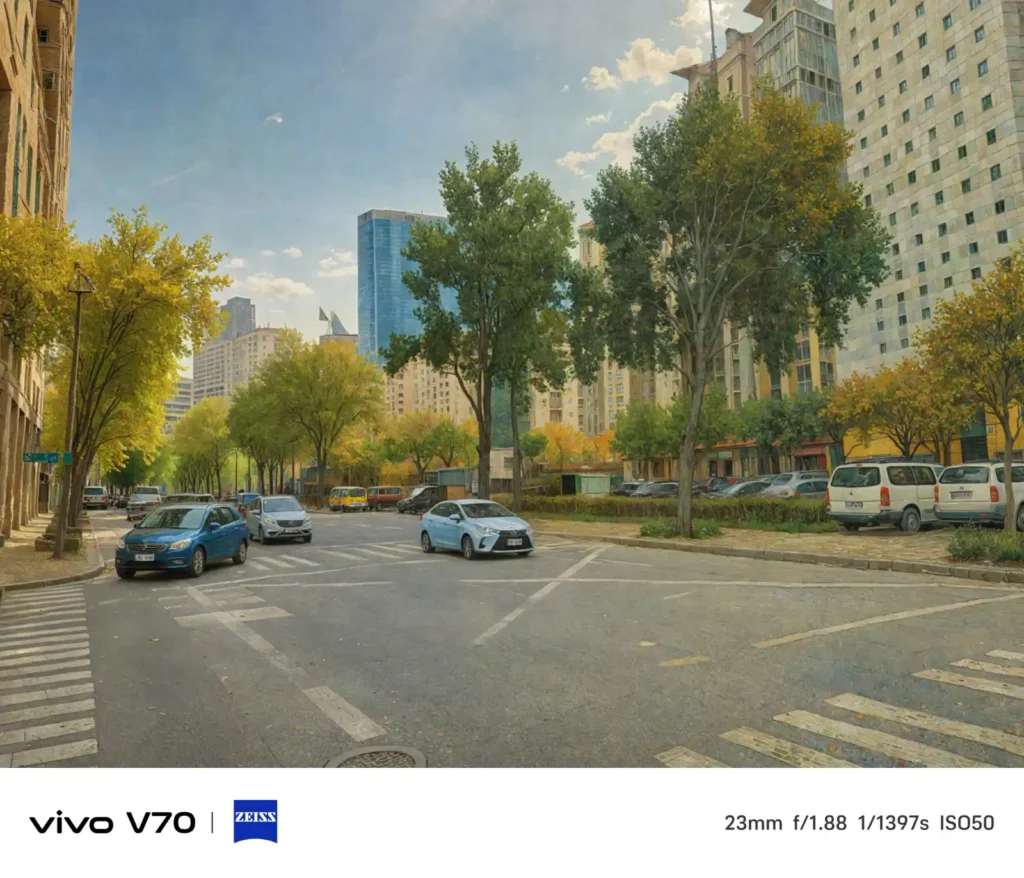
In island scenarios, the AI detects the specific blue-green wavelengths of the sea. It increases the transparency of the water in the image while boosting the saturation of the foliage. It also identifies clutter on the beach—like stray plastic or trash—and helps the user remove it to restore a pristine view. This ensures your beach photos actually look like the postcards you bought.
In desert environments, the algorithm shifts its focus to dynamic range. It emphasizes the harsh interplay of light and shadow on sand dunes. It even offers the chance to add soaring birds or a sunset to the composition. This type of generative assistance ensures that even a monochromatic landscape becomes a compelling visual story.
Automating the Perfect Composition
One of the most common ways a great photo is ruined is through poor alignment. We have all taken a beautiful sunset shot only to realize later that the horizon is tilted by three degrees. It is a small mechanical error that breaks the professional illusion of the image.
The V70 includes an automatic Composition Correction feature. By utilizing the internal gyroscope and accelerometer, the device knows exactly how it was being held at the moment of capture. It cross-references this data with the visual horizon in the frame and offers to straighten it automatically.
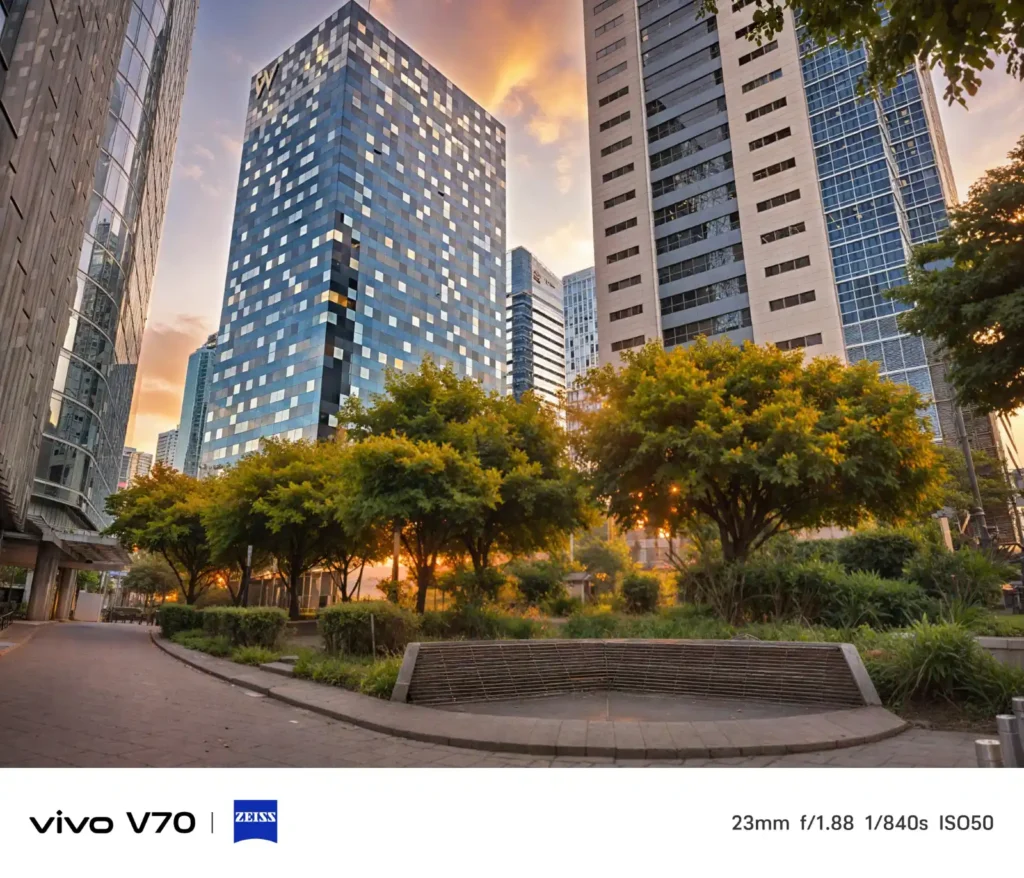
This benefits the casual reader who might be snapping photos while walking or in a hurry. You no longer need to manually crop and rotate every image in your gallery. The phone ensures your architecture shots are vertical and your seascapes are level. This automated precision is a key pillar in Achieving Flawless Travel Photography on every single trip.
Recreating the Ritual of Analog Film
While the AI is busy predicting and reconstructing reality, there is still a human desire for the “soul” of old photography. Digital photos can sometimes feel too perfect, too sterile, and lacking in character. This is why vivo introduced the upgraded Film Camera Mode 3.0.
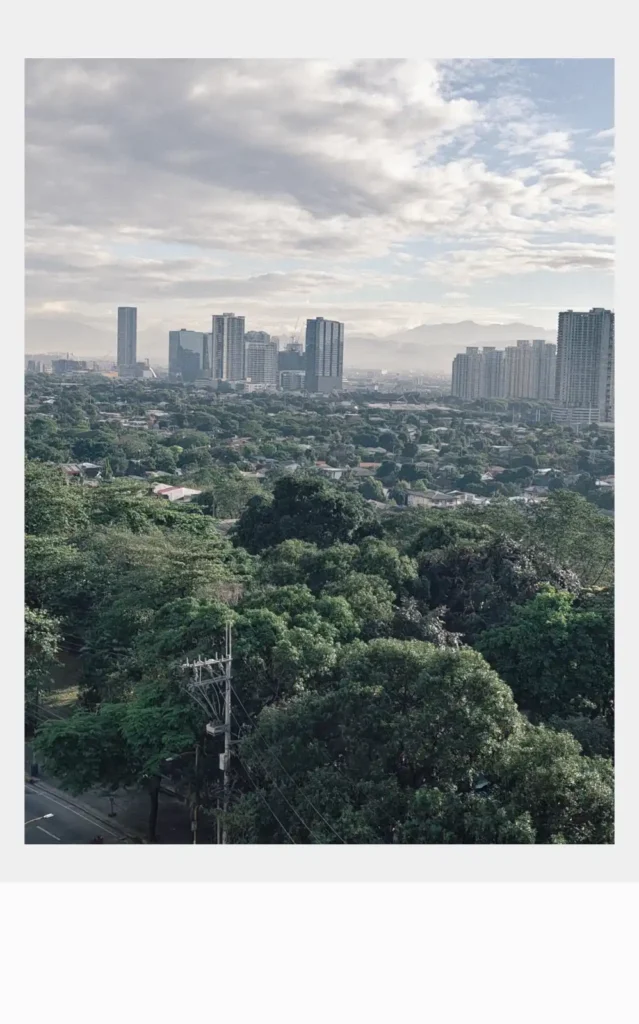
It includes a feature called Pack Film Photographic Paper. This recreates the ritual of peel-apart film from the analog era. The interface even mimics the sound of peeling the film, and the image is revealed like an interactive blind box. It adds a layer of ceremonial charm to the digital experience that many users find refreshing.
This mode is perfect for family gatherings or reunions. It produces premium, luminous portraits with a soft, dreamy finish that digital sensors usually struggle to replicate naturally. It provides a retro aesthetic without the high cost and chemical mess of actual film. It proves that the V70 is a device built for both the logic of an engineer and the heart of a storyteller.
High-Altitude Imaging and Arctic Auroras
Finally, the device shows its technical prowess in the Snow Town mode. Snow is notoriously difficult for digital cameras to expose correctly. The bright white surface often tricks the light meter into underexposing the rest of the scene, leaving your subjects looking dark and muddy.
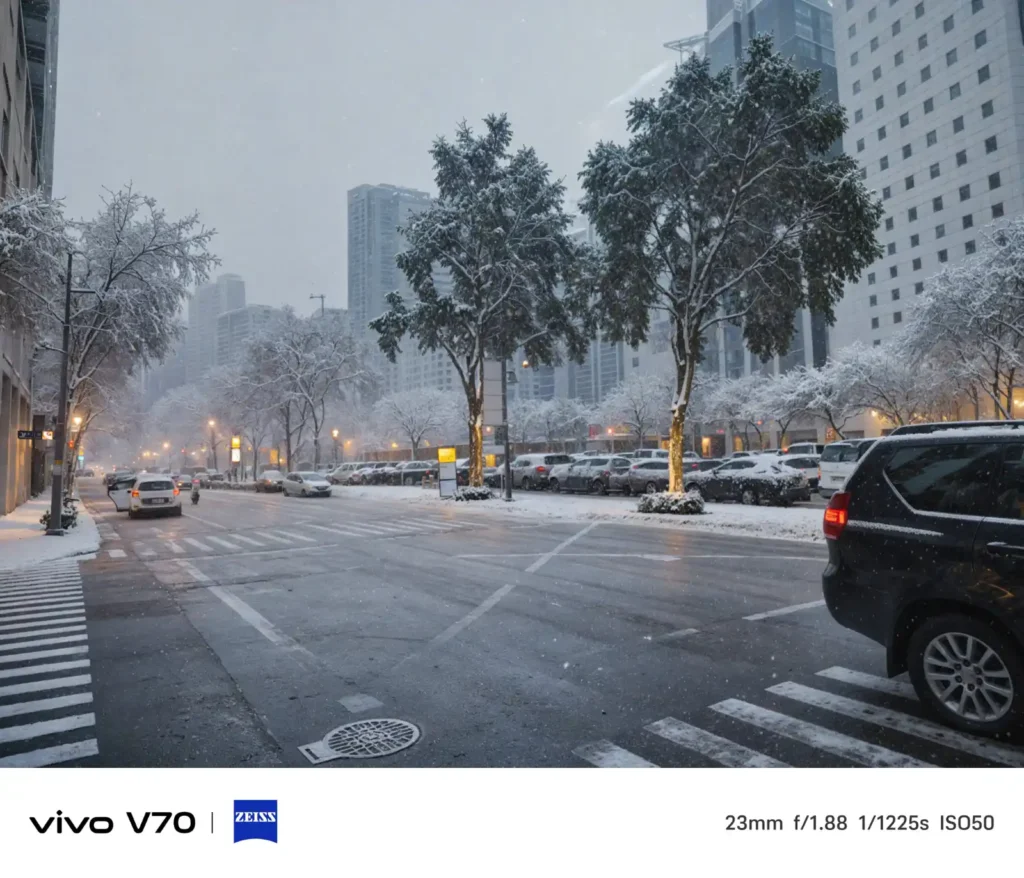
The V70 manages this by preserving a bright, overall look while protecting the highlights. During the day, it can add a snowfall effect that looks incredibly realistic. It can even coat digital buildings in simulated ice. At night, the AI can render auroras in the sky, turning a standard winter snap into something magical.
For mobile creators traveling to colder climates, this is an invaluable asset. It allows you to produce high-impact visuals that would normally require specialized filters and long-exposure techniques. The V70 takes the complexity out of the equation, leaving you with nothing but the creative freedom to explore.
Priced starting at Php 31,999, the vivo V70 is now available for purchase in vivo stores nationwide or online via the vivo e-store, Shopee, Lazada, and TikTok Shop.