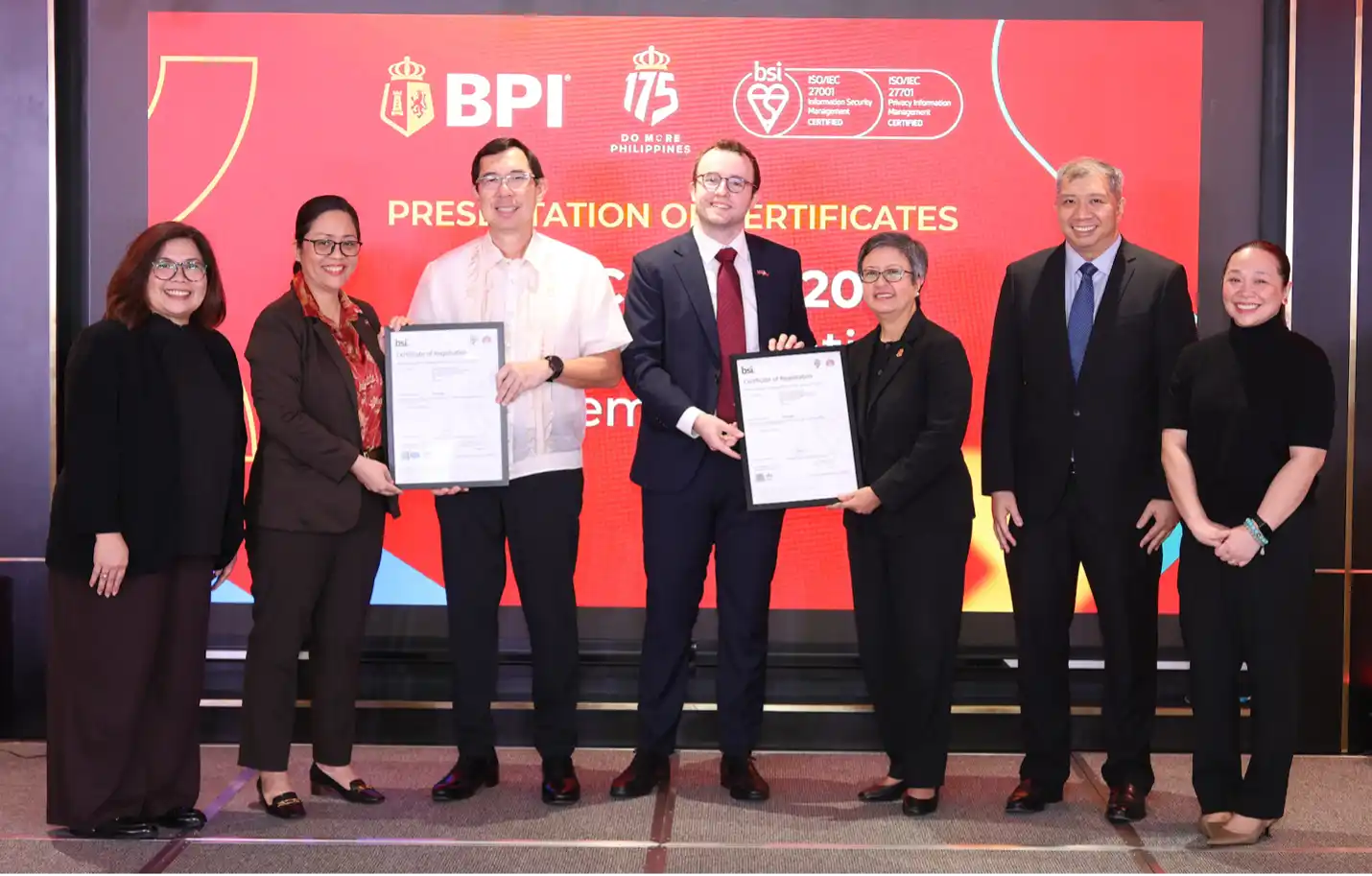
Achieving an official BPI dual ISO certification marks a pivotal turning point for cybersecurity standards across the Philippine financial landscape.
Raising the Shield for Modern Philippine Banking
Digital banking in the Philippines has expanded at an astonishing pace over the last few years. Everyone from corner sari-sari store owners to corporate executives now conducts daily financial transactions through smartphone screens. However, rapid digitisation inevitably invites sophisticated cyber threats, annoying smishing text messages, and relentless phishing attempts. Banking apps are no longer just convenient tools for paying utility bills; they are the central nervous systems of our daily financial lives. When a major institution steps up its underlying security architecture, the entire local fintech industry takes notice.

The Bank of the Philippine Islands recently made local history by securing two prestigious international benchmarks simultaneously. BPI became the first universal bank in the country to earn dual certification for ISO/IEC 27001:2022 and ISO/IEC 27701:2019. Issued by the British Standards Institution (BSI) Group Philippines Inc., these accreditations validate both the Information Security Management System (ISMS) and the Privacy Information Management System (PIMS) operating behind the scenes. This massive milestone covers online and mobile banking platforms, cash management services, remittance channels, and contact center operations.
An Engineering Deep Dive Into Global Security Standards
As someone with an engineering background who spends far too many hours looking into system architectures and network protocols, I view corporate security announcements with a healthy dose of skepticism. Many companies treat external audits like a high school cram session, polishing up surface-level paperwork just long enough to collect a shiny framed certificate for the lobby. But ISO/IEC 27001:2022 and ISO/IEC 27701:2019 are entirely different beasts. They are not one-and-done checklists where you take a test and relax for the next decade.
From an engineering perspective, building an ISMS alongside a PIMS requires a fundamental re-architecting of how data flows through an organization. ISO 27001 focuses on maintaining the confidentiality, integrity, and availability of complex data networks. It mandates continuous risk assessments, rigorous threat modeling, strict access controls, and robust cryptographic protocols across every endpoint. Meanwhile, ISO 27701 extends those controls directly into data privacy, forcing the system to treat every piece of personally identifiable information with extreme governance.
What impresses me technically is the sheer operational scope covered by BPI’s audit. Managing security for a static server room is relatively straightforward. Protecting real-time mobile app requests, high-volume cross-border remittances, and interactive contact center platforms simultaneously is an immense technical challenge. It requires continuous automated monitoring, strict API tokenization, and a zero-trust operational posture. BPI has spent over two decades evolving its security framework, and this dual certification demonstrates that their underlying architecture can handle modern, distributed cyber threats.

Direct Protection and Peace of Mind for Daily Consumers
What does all this technical jargon actually mean when you log into your app on a busy pay-day Friday? For everyday consumers, this dual certification translates into an invisible, heavy-duty armor protecting your hard-earned savings. We have all felt that brief flash of anxiety when authorizing an online payment or sending funds to a relative in the province. Knowing that BPI’s mobile and online banking channels are independently audited against global standards offers genuine peace of mind.
Every time you transfer cash via InstaPay or PESONet, check your account balance over public Wi-Fi, or call customer support to resolve a billing query, these ISO frameworks are actively working in the background. The strict privacy protocols ensure your personal details, transaction histories, and contact information are shielded from unauthorized exposure. Furthermore, because ISO standards require regular third-party audits and ongoing operational improvements, the bank is forced to constantly adapt its defenses as new scams emerge. You get a digital banking experience that is not only convenient, but fundamentally resilient against modern cyberattacks.
Fueling the Creative Economy and Mobile Digital Workers
The modern Philippine economy is increasingly driven by mobile creators, freelancers, vloggers, and digital entrepreneurs. If you shoot 4K video clips on your phone, edit content on the go, and manage brand deals from coffee shops, your smartphone is your entire office. Independent creators rely heavily on seamless digital banking to receive international ad revenue, collect sponsor payouts, and handle equipment purchases across global marketplaces.
For mobile creators and gig economy workers, financial downtime or a compromised account can instantly freeze a thriving business. BPI’s dual ISO scope specifically includes inward and outward remittances alongside transaction banking services. This means when an international client wires your payment or a creator platform clears your monthly earnings, the cross-border transaction moves through a globally verified, encrypted pipeline. Creators no longer have to worry about sensitive payment details leaking during international transfers.
Additionally, corporate clients and small business owners who use BPI’s cash management tools can operate with complete confidence. Managing payroll, vendor disbursements, and digital invoicing requires high-level data governance. By aligning with both GDPR and local Data Privacy Act mandates, BPI ensures that commercial transactions remain secure, reliable, and compliant with international privacy laws.
Setting a New Blueprint for the Local Financial Sector
Achieving dual ISO certification is far more than a corporate milestone; it sets a benchmark for how Philippine financial institutions ought to safeguard customer data in a hyper-connected world. As digital transactions continue to replace physical cash, the ultimate currency in modern banking is no longer paper money, but trust. BPI President and CEO TG Limcaoco highlighted that these standards are integrated directly into daily operations, ensuring that privacy and security remain core operational principles rather than afterthought features.
In a digital landscape where cyber threats evolve by the hour, standing still is equivalent to falling behind. By subjecting its core digital channels, remittance networks, and support centers to rigorous, ongoing international evaluation, BPI proves that local banks can meet and exceed global cybersecurity standards. Whether you are an everyday app user checking your savings or a mobile content creator managing international revenue, robust digital infrastructure keeps your financial future safe, sound, and ready for whatever comes next.