
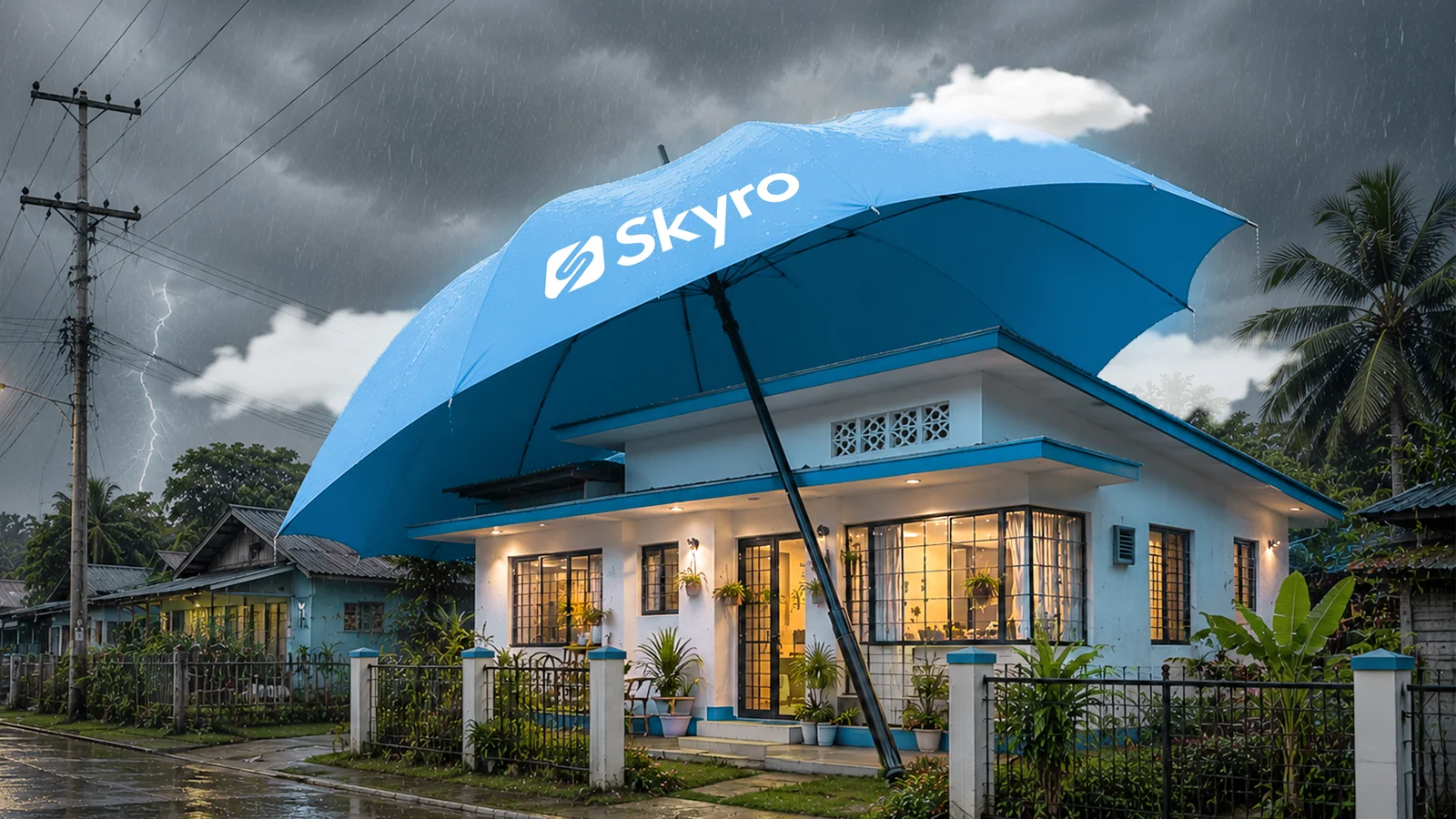
As the rainy season begins across the Philippines, households face more than just changing weather. Heavy rains, flooding, power outages, and emergency repairs can quickly strain budgets, especially for families already managing rising living costs. To help consumers stay financially prepared, lending platform Skyro has outlined several practical steps that can help minimize unexpected expenses and improve financial readiness during the wet season.
Focus Spending on Essential Needs
One of the biggest financial challenges during the rainy season is balancing urgent expenses with discretionary spending.
Rather than spending on non-essential purchases, households may benefit from prioritizing items that support safety, communication, and daily operations. These can include reliable smartphones for emergency communication, rechargeable lights and power banks, functional refrigerators and appliances, and water pumps or other home utility equipment.
Focusing on essential purchases can help families stay prepared for unexpected disruptions caused by severe weather, power outages, or flooding. By directing available funds toward practical needs first, households may be better positioned to maintain communication, protect food supplies, and manage day-to-day activities during emergencies.
Stock Up on Basic Emergency Supplies
Bad weather can make travel difficult and temporarily disrupt delivery services. Preparing household essentials in advance can help reduce last-minute spending during storms.
Recommended supplies include drinking water, non-perishable food, medicines, basic hygiene products, and emergency batteries and lighting.

Maintaining a modest emergency stockpile can also help households avoid panic buying when weather conditions worsen. By purchasing essentials gradually and ahead of time, families may be better equipped to handle temporary supply shortages, transportation disruptions, and extended periods of severe weather without placing additional strain on their budgets.
Manage Electricity Costs and Power Interruptions
The rainy season often brings fluctuating electricity consumption as well as occasional power outages. Households can reduce unnecessary expenses by unplugging appliances when not in use and ensuring backup equipment is ready before severe weather arrives.
Keeping smartphones, rechargeable lights, and power banks fully charged can also help families remain connected during extended outages.
Protect Important Documents and Valuables From Flooding
Flooding remains one of the most costly weather-related risks in many parts of the country.
Financial preparedness extends beyond savings. Important documents such as IDs, insurance papers, birth certificates, and financial records should be stored in waterproof containers whenever possible to help prevent loss or damage during emergencies.
Families living in flood-prone areas may also benefit from preparing a go bag containing cash, bottled water, emergency food, medicines, power banks, extra clothing, and copies of critical documents.
Taking preventive measures early can reduce both financial losses and recovery costs after a storm. Having essential supplies and important records readily accessible can also help families respond more quickly to evacuation orders and recover more efficiently in the aftermath of severe weather.
Address Home Repairs Before They Become Costly Problems
Small maintenance issues can quickly escalate during prolonged rain.
Leaks, clogged drainage systems, damaged gutters, and faulty appliances often become more expensive to repair once severe weather exposes underlying problems.
Conducting routine inspections before peak storm season can help homeowners avoid larger emergency expenses later.
Financial Preparedness Matters During Extreme Weather
As climate-related disruptions become more common, financial resilience is becoming as important as physical preparedness.
While emergency savings remain the ideal safety net, practical budgeting, preventive maintenance, and advance planning can help households better manage unexpected costs during the rainy season.
Skyro’s recommendations reflect a broader financial planning principle: preparing before an emergency occurs is often less expensive than dealing with the consequences afterward. By focusing on essential spending, emergency readiness, and preventive action, Filipinos can reduce the financial impact of storms and weather-related disruptions throughout the season.