
Google is laying out the foundation of its next-generation Android strategy with Gemini Intelligence, positioning the operating system as an “intelligence system” powered by agentic AI. The company says the shift will enable devices to anticipate user needs, automate tasks, and act on behalf of users—while maintaining strict privacy and security safeguards.
The announcement comes as Google expands AI features across Android devices, including smartphones, wearables, cars, and laptops.
Android shifts toward “agentic” AI computing
Google describes Gemini Intelligence as a move beyond traditional assistants, evolving Android into a system capable of executing multi-step actions across apps.
These “agentic” capabilities include app automation, contextual suggestions, form completion, and background task execution through features like Magic Cue.
However, Google emphasizes that these capabilities only function within strict user-defined permissions and require explicit intent before any action is executed.
Three pillars of Android’s AI security model
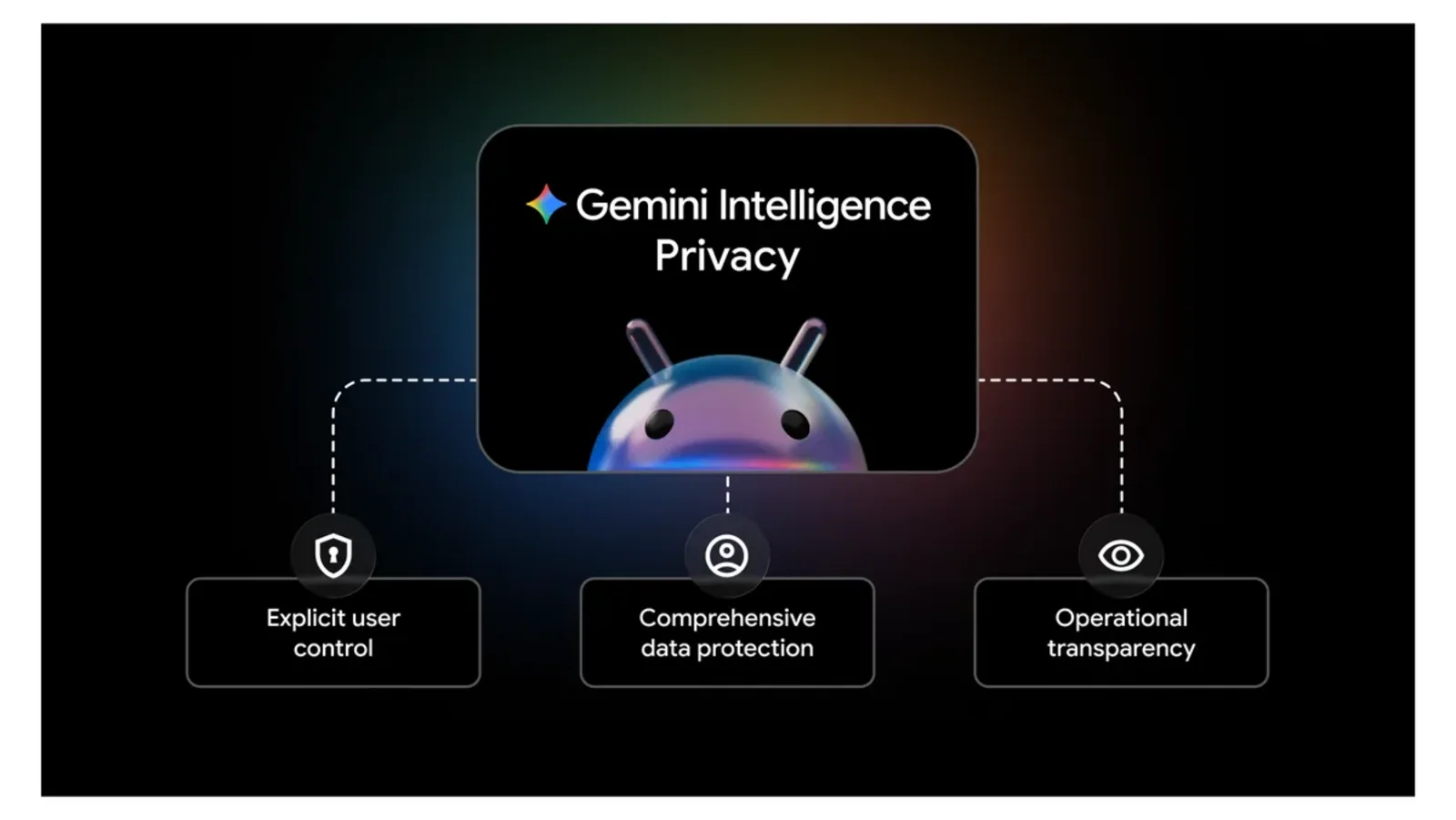
David Kleidermacher, VP of Platforms Security and Privacy at Google, outlined three core principles guiding Gemini Intelligence on Android: explicit user control, comprehensive data protection, and operational transparency.

These principles apply across all AI-driven features, ranging from user-triggered automation to background assistance tools, as the system becomes more deeply integrated into Android’s core functionality.
Explicit user control at the center of Gemini Intelligence
Google says users retain full authority over how and when AI features operate on their devices.
Key safeguards include granular opt-in controls, where users can enable or disable specific AI features individually, including app-level automation permissions; permission-based automation, where Gemini can only access apps explicitly allowed by the user; confirmation requirements for sensitive actions such as purchases; and intent-based activation, where AI features only run when triggered by the user or enabled settings.
Google also notes that features like Gemini-powered Autofill and app automation will remain fully optional, reinforcing its approach to keeping AI assistance under explicit user control.
Data protection built on Google’s secure infrastructure
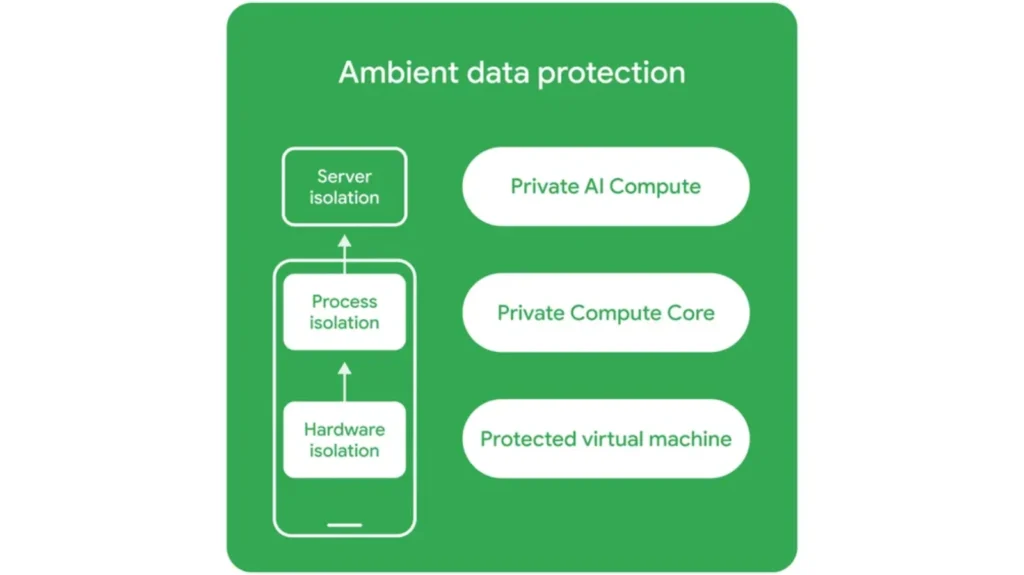
Google says Gemini Intelligence is built on its existing security architecture used across its ecosystem.
Key protections include Private Compute Core and protected environments for on-device AI processing, cloud security systems already used across Google services, safeguards against prompt injection and malicious instructions, and layered defenses similar to Chrome’s automated security systems in Google Chrome.
These measures are designed to secure both on-device and cloud-based AI processing while reducing exposure to emerging AI-related threats.
Transparency tools for AI activity tracking
Google is also introducing new transparency features to make AI behavior more visible to users.
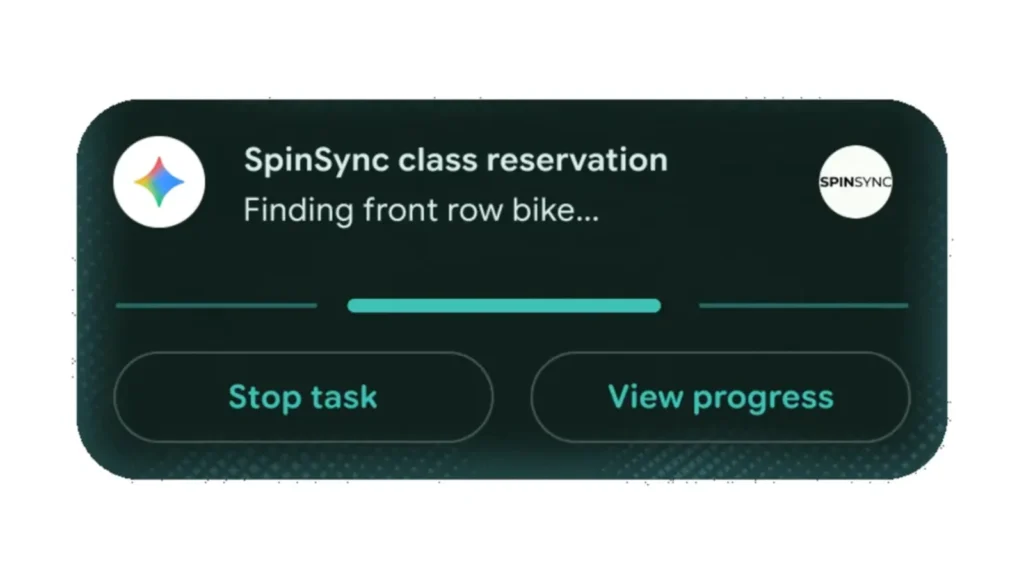
These include real-time activity indicators showing when Gemini is interacting with apps, persistent notifications when automation is active, Privacy Dashboard updates that display AI assistant activity over the past 24 hours, “View progress” tools to monitor automation in real time, and open-source or auditable components reviewed by third-party security experts.
The company says these tools are intended to ensure users always know when AI is acting on their behalf.
Android pushes for industry-wide AI security standards
Google says it aims to position Android as an open platform for agentic AI development, encouraging third-party developers and manufacturers to adopt similar security frameworks.
The company is also working with partners to establish standardized privacy and security practices for AI assistants operating on mobile devices.
Google says Gemini Intelligence represents its vision for responsible agentic computing, where AI systems can act proactively while remaining transparent, controlled, and secure.
As AI becomes more deeply embedded into mobile operating systems, Google is betting that trust—rather than capability alone—will define the next phase of Android competition.