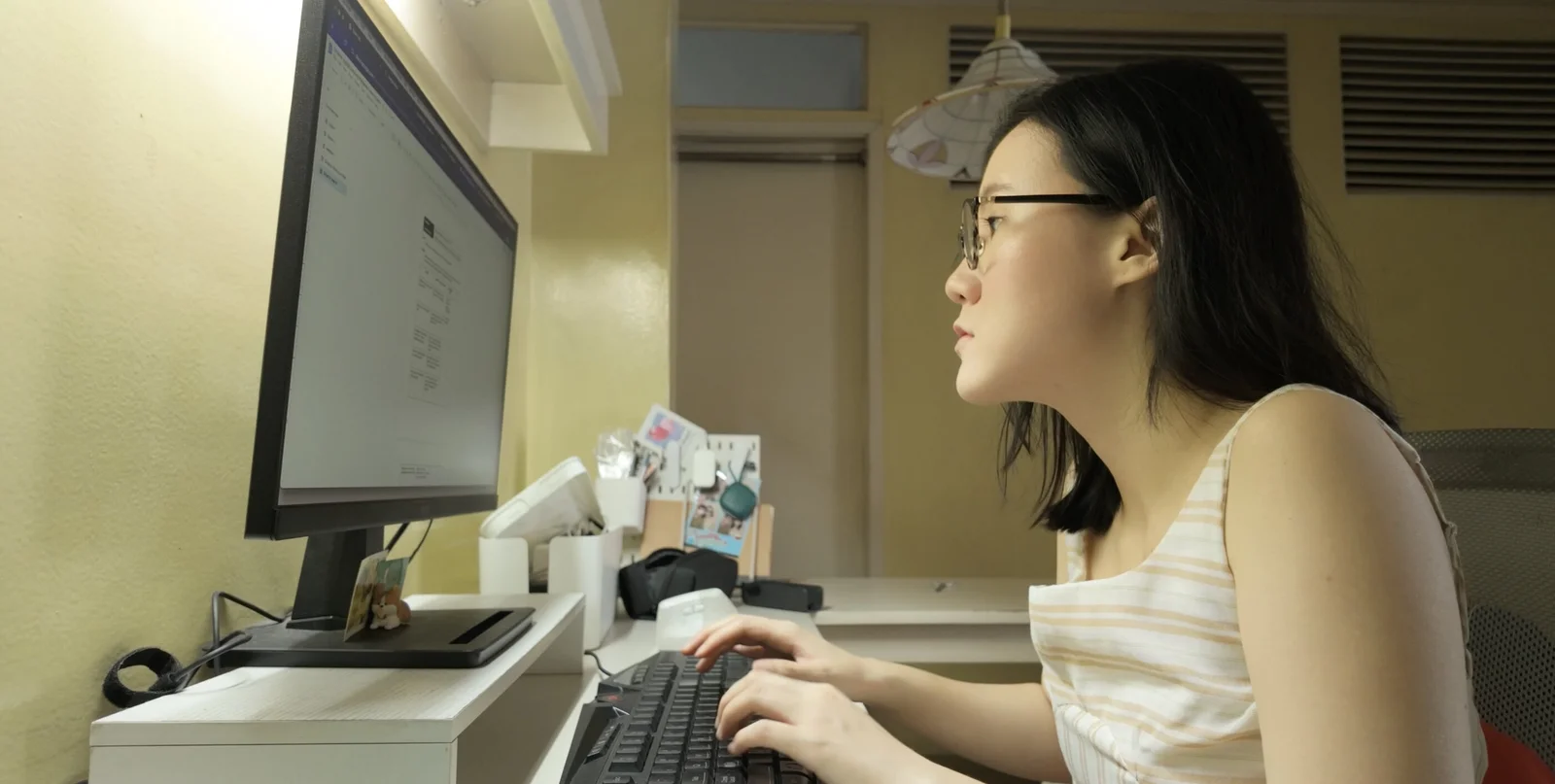
Freelancing continues to grow in the Philippines, but inconsistent income, payment delays, platform fees, and fluctuating exchange rates remain common challenges for independent workers.
To address these issues, finance coaches and freelancers Chelsea Dy and JZ Cerezo shared practical budgeting and cash flow strategies, while also highlighting digital financial tools that can help freelancers manage international payments more efficiently.
Freelancers encouraged to budget around inconsistent income
One of the key recommendations from financial coaches Chelsea Dy and JZ Cerezo is building a budget based on a freelancer’s lowest earning month rather than peak income periods.
The approach prioritizes covering fixed monthly expenses first, including rent, utilities, food, internet, work-related costs, and emergency savings.
Financial experts often recommend emergency funds equivalent to three to six months of living expenses, especially for workers with variable income streams.
According to Cerezo, failing to track spending early in his freelancing career led to repeated cycles of lifestyle inflation and inconsistent savings. He added that developing a structured budgeting system helped him become more intentional about expenses, savings, and income allocation.

Tracking platform fees and forex losses becomes essential
Freelancers working with international clients often use multiple payment platforms, each with different transaction fees, processing times, and foreign exchange rates.
Cerezo noted that these costs can quietly reduce earnings over time, especially for freelancers handling several clients simultaneously.
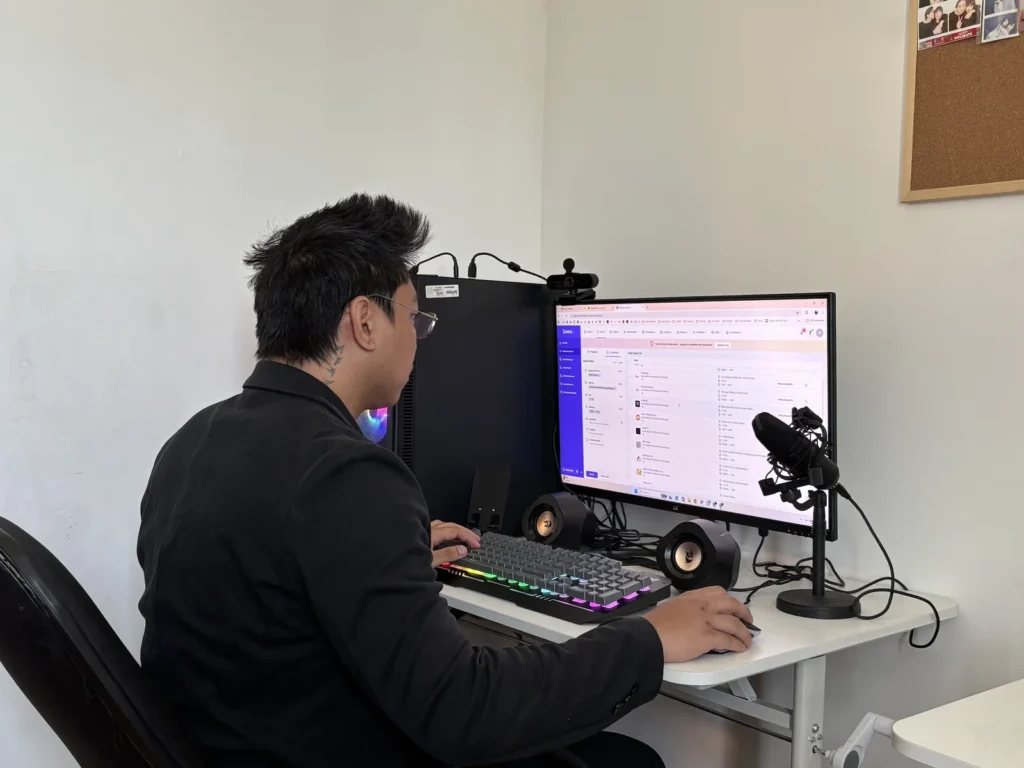
Common freelancer financial pain points include transfer and withdrawal fees, delayed payment processing, currency conversion losses, managing multiple payment services, and tracking inconsistent payment schedules.
Dy added that freelancers should regularly evaluate which payment platforms offer better flexibility and lower costs.
As more Filipinos enter remote and freelance work, cross-border payment efficiency has become increasingly important in the country’s digital economy.
GCash pushes Virtual US Account for USD payments
Freelancers working with international clients often use multiple payment platforms, each with different transaction fees, processing times, and foreign exchange rates.
Cerezo noted that these costs can quietly reduce earnings over time, especially for freelancers handling several clients simultaneously.
Common freelancer financial pain points include transfer and withdrawal fees, delayed payment processing, currency conversion losses, managing multiple payment services, and tracking inconsistent payment schedules.
Dy added that freelancers should regularly evaluate which payment platforms offer better flexibility and lower costs.
As more Filipinos enter remote and freelance work, cross-border payment efficiency has become increasingly important in the country’s digital economy.
Digital payment tools become increasingly important for remote workers
The rise of freelancing and remote work in the Philippines has increased demand for digital banking and payment platforms that support cross-border transactions.
Many freelancers now prioritize platforms that combine lower fees, faster transfers, and integrated financial management tools.
GCash continues expanding its financial services ecosystem as digital wallets compete to become primary financial platforms for Filipino workers, freelancers, and small businesses.
The company said users can create a Virtual US Account directly through the GCash app by accessing the “US Accounts” section and completing account verification.