
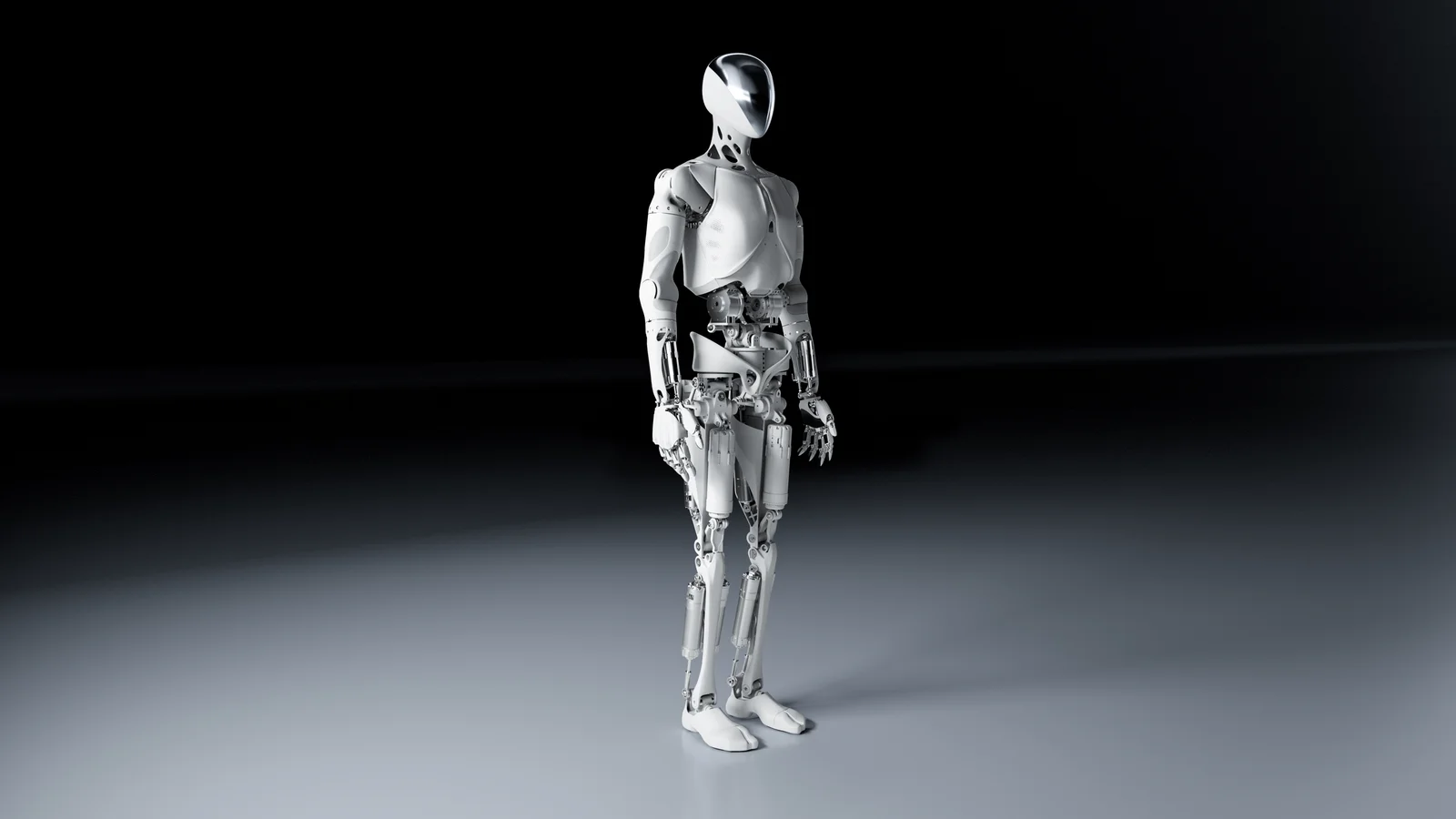
XPENG has raised more than US$900 million for its robotics business, providing additional funding for the development and commercialization of its humanoid robot IRON as the company prepares to enter the Philippine market this September.
Led by IDG Capital, with participation from Gaorong Ventures and strategic support from Tencent and Alibaba, the funding round values XPENG’s robotics business at more than US$6.3 billion. XPENG says it is the largest single-round private financing to date in China’s embodied AI industry.
The timing also offers a broader look at the technology ecosystem behind XPENG’s upcoming Philippine launch, which will introduce the XPENG X9 intelligent seven-seater and XPENG L03 SUV coupé.
Expanding its bet on Physical AI
XPENG’s robotics business is part of a broader strategy built around Physical AI—artificial intelligence designed to allow machines to perceive their surroundings, make decisions, and interact with the physical world.
The company’s AI development spans several areas, including intelligent electric vehicles, humanoid robotics, intelligent driving, proprietary AI chips, computing infrastructure, aerial mobility, and smart manufacturing.
The new funding will support hardware and software R&D, Physical AI model development, real-world data collection, manufacturing facilities, and expansion into international markets.

For Philippine consumers, the most immediate application of this technology will be through XPENG’s vehicles. The X9 and L03 are positioned as the first local examples of the company’s approach to AI Mobility.
IRON is XPENG’s next major AI project
At the center of XPENG’s robotics ambitions is IRON, a humanoid robot designed to operate in environments built for humans.
IRON features 76 degrees of freedom across its body, including 21 degrees of freedom in each hand. These capabilities are intended to give the robot greater dexterity and more human-like movement.
The robot uses three XPENG Turing AI chips, providing up to 2,250 trillion operations per second of onboard computing power. This allows IRON to process information and perform tasks with less reliance on remote computing or human operation.
XPENG is developing the robot’s core systems internally and is applying manufacturing and quality-control expertise from its electric vehicle business to robotics.
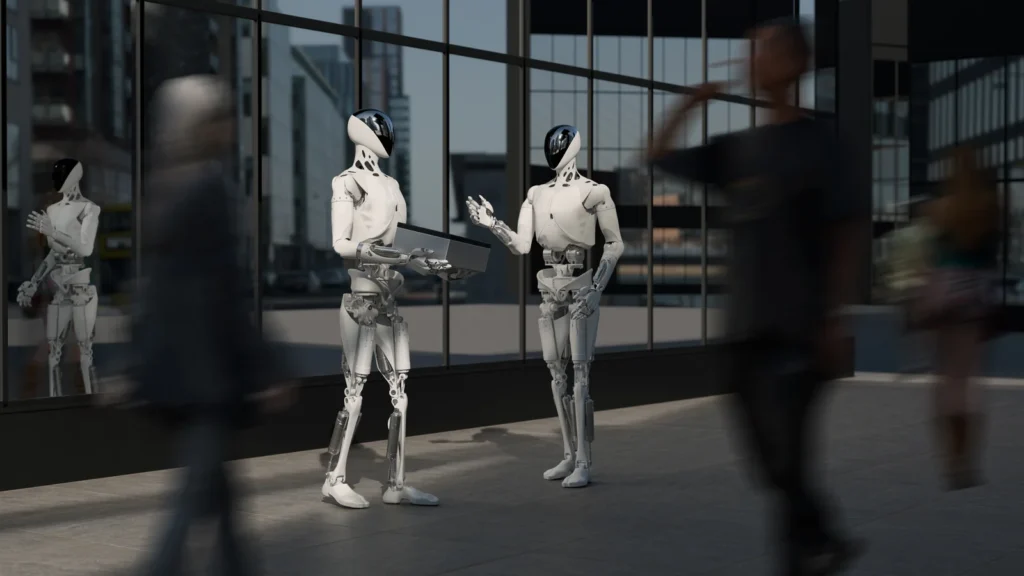
XPENG plans IRON mass production by 2026
The company expects IRON to enter mass production by the end of 2026, with initial deployments planned for XPENG stores and campuses.
Commercial launch and deliveries in China and overseas markets are planned for 2027.
The latest financing is intended to accelerate that timeline while providing resources for further AI research, production capabilities, and international expansion.
XPENG will retain controlling ownership of its robotics business following the financing round, with the business continuing to be consolidated into the group’s financial statements.
The funding adds context to XPENG’s Philippine entry
XPENG’s Philippine launch will initially focus on its automotive business, but the company’s robotics investment illustrates why it describes itself as an AI Mobility company rather than simply an EV manufacturer.
The XPENG X9 will serve as the company’s flagship seven-seater, while the L03 will bring the brand’s technology-focused approach to a sportier SUV coupé format.
Philippine specifications, variants, pricing, and availability for the two models are expected to be announced during XPENG’s official launch in September.
The company is effectively entering the Philippine market with AI as a central part of its identity, rather than treating it as an optional feature added to an electric vehicle.
From intelligent cars to humanoid robots
XPENG’s latest investment demonstrates the scale of that strategy. The company is applying similar foundations in AI, computing, sensing, and software to machines that operate in very different environments.
For Filipino motorists, the first encounter with XPENG will be behind the wheel of the X9 or L03. But the company’s growing robotics business suggests that its ambitions extend well beyond cars.
As XPENG prepares for its Philippine debut, the bigger question will be whether its AI Mobility strategy can translate from a global technology proposition into features and experiences that provide tangible value for local drivers.