
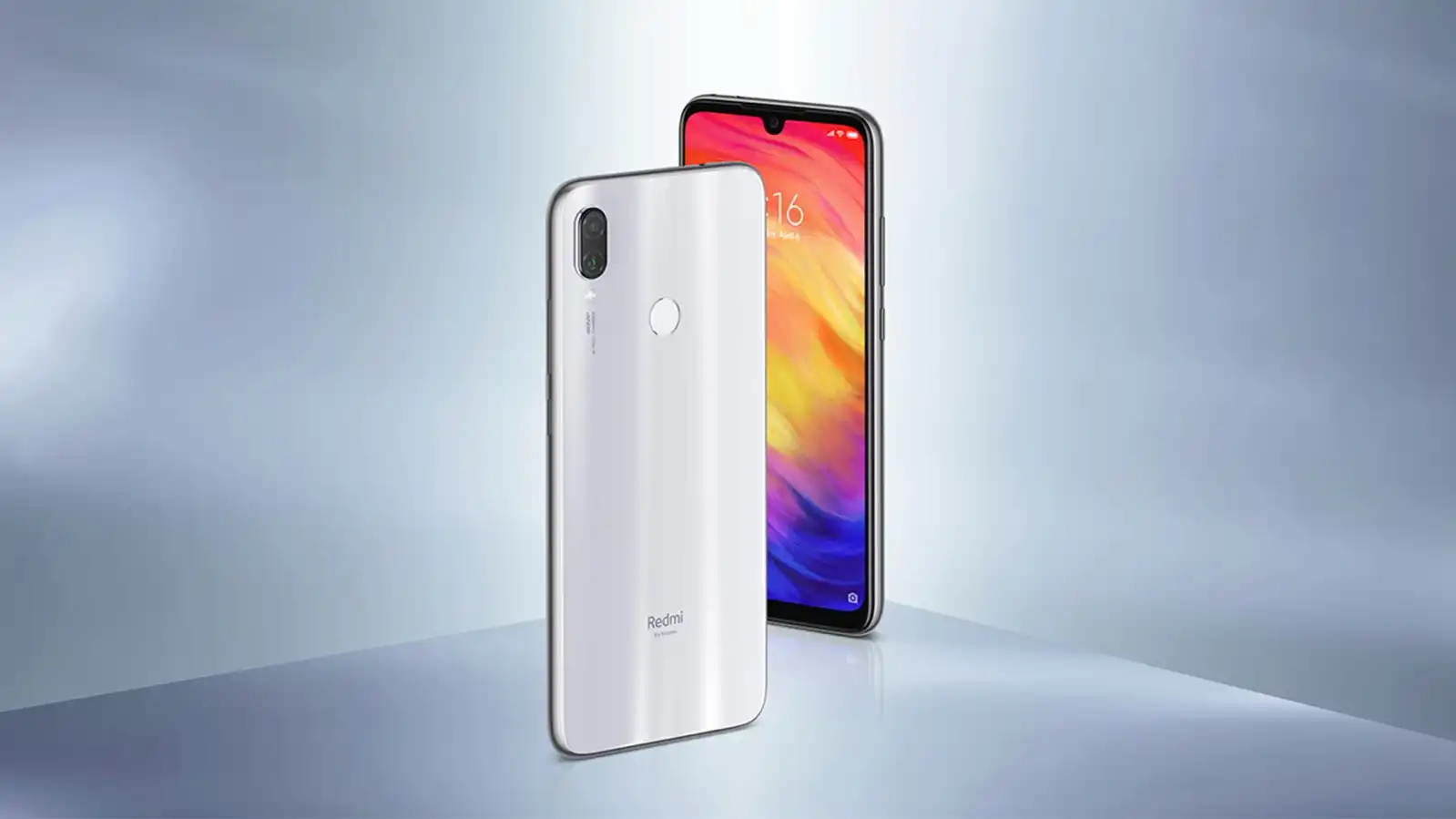
Shifting From Short Upgrades To Long Term Engineering
The REDMI Note 17 Series is officially shifting how we evaluate mid-tier mobile hardware in the Philippine market. For years, the global mobile industry was obsessed with chasing aggressive annual replacement cycles. Smartphone manufacturers repeatedly pushed minor iterative upgrades every twelve months, expecting everyday consumers to willingly swap out perfectly functional devices. But user behavior has fundamentally transformed. People are now holding onto their devices for three, four, or even five years. When you carry a smartphone through daily commutes along EDSA, sudden tropical downpours, and hectic workdays, shiny spec sheets on day one mean very little if the underlying hardware degrades six months down the road.

From my perspective as an engineer, watching this architectural pivot across the mid-range industry is incredibly refreshing. Building a phone that operates smoothly for a single year is relatively easy. Designing a chassis and a circuit board that survive years of mechanical stress, thermal cycling, and continuous battery degradation requires a completely different mindset. Xiaomi’s REDMI Note lineup has achieved over 500 million shipments globally precisely because it adapted to real-world user demands over time. We saw them move from basic plastic builds to metal bodies on the Note 3, introduce extended 18-month warranties on the Note 7, and bring IP68 water resistance to mid-tier devices on the Note 13. Now, with the upcoming 17 generation, the core focus moves to holistic, multi-year reliability.
Silicon Carbon Battery Chemistry Meets Ten Thousand Milliamp Hours
The absolute bottleneck of modern smartphone longevity has always been chemical battery degradation. Standard lithium-ion batteries typically begin to lose substantial charge capacity after roughly 400 to 500 charge cycles. As an engineer who routinely inspects hardware teardowns, watching battery health plummet after 18 months is a major point of friction for consumers. REDMI is addressing this fundamental chemistry limitation by introducing industry-leading silicon-carbon battery technology into the REDMI Note 17 Series, boasting a staggering 10,000mAh maximum capacity on the top-tier Pro Max variant.

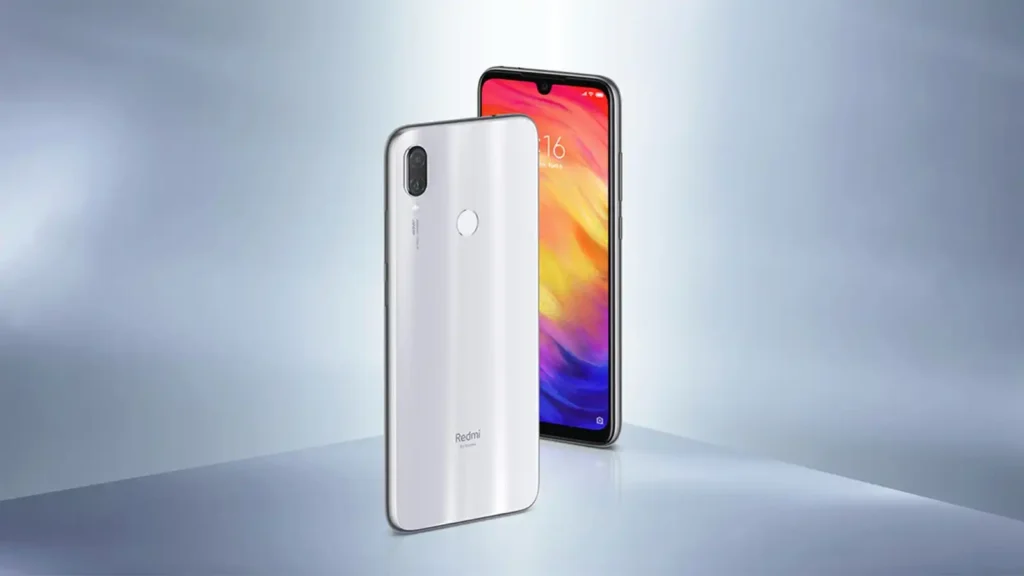
Silicon-carbon anodes allow for significantly higher energy density compared to traditional graphite anodes. This means Xiaomi can squeeze an immense 10,000mAh reservoir into a body that does not look or feel like a heavy concrete brick. More importantly, this new battery system is rated for 1,600 charging cycles while maintaining over 80% of its original capacity. Mathematically speaking, that translates to approximately six years of daily charging cycles before you notice meaningful endurance drop-off.
For everyday Filipino consumers, this means you can finally leave those cumbersome, heavy power banks at home. For mobile creators shooting 4K video clips, running heavy video editing applications, or live-streaming on location all day in BGC or Makati, a reliable 10,000mAh cell completely eliminates power anxiety. You no longer have to hunt for wall sockets in coffee shops or throttle your screen brightness just to ensure your camera stays operational until evening.
Titan Quality Mechanics and Advanced Drop Protection
Laboratory benchmarks are great for press releases, but actual life happens on concrete pavements and rainy streets. A phone built for years must physically survive accidental drops, structural flex, and environmental exposure. With the new REDMI Titan Quality initiative, Xiaomi subjected the REDMI Note 17 Series to rigorous TÜV SÜD certifications covering drop resistance, water ingress, and battery safety.
I am particularly impressed by the structural reinforced engineering here. The device is certified for up to 3-meter drop resistance. From a mechanical standpoint, absorbing a 3-meter impact requires internal structural dampening, reinforced corner chassis architecture, and shock-dispersing internal frames. They did not just slap a thicker piece of glass on the front panel; they re-engineered how kinetic energy dissipates through the internal frame when the phone hits the floor.
To handle environmental stress, Xiaomi incorporated 17 custom waterproof components alongside 10 airtightness test protocols. This provides comprehensive protection against high-temperature exposure, pressurized water sprays, and full water immersion. Whether you drop your device into a puddle during monsoon season or accidentally spill hot coffee across your desk, the internal circuit boards remain entirely protected. This level of physical armor saves regular users thousands of pesos in unexpected screen replacements and motherboard repairs over a multi-year ownership span.
Six Year Sustained Performance for Connected Ecosystems
Hardware durability is only one half of the longevity equation; the other half is sustained system fluidity. There is nothing more frustrating than a phone that feels structurally brand new but stutters continuously because the software overhead bloats over time. Under their “Built for Years” framework, Xiaomi is committing to a six-year support framework covering battery health, security updates, and OS optimization to preserve daily smoothness.
This long-term software commitment is essential when considering Xiaomi’s overarching Human × Car × Home ecosystem. In modern setups, your phone acts as the primary hardware gateway controlling smart appliances, security cameras, and connected personal displays. If your phone slows down or suffers from erratic connectivity due to software neglect, your entire smart home experience degrades along with it.
With the debut of the first-ever REDMI Note Pro Max model in this line, bringing max design, max quality, and max capabilities, mid-tier buyers are getting flagship-grade peace of mind. In my technical opinion, this shift toward multi-year engineering integrity is the best thing to happen to mid-range mobile technology in a decade. It forces the rest of the market to stop selling short-lived disposable gadgets and start building tools that actually last.