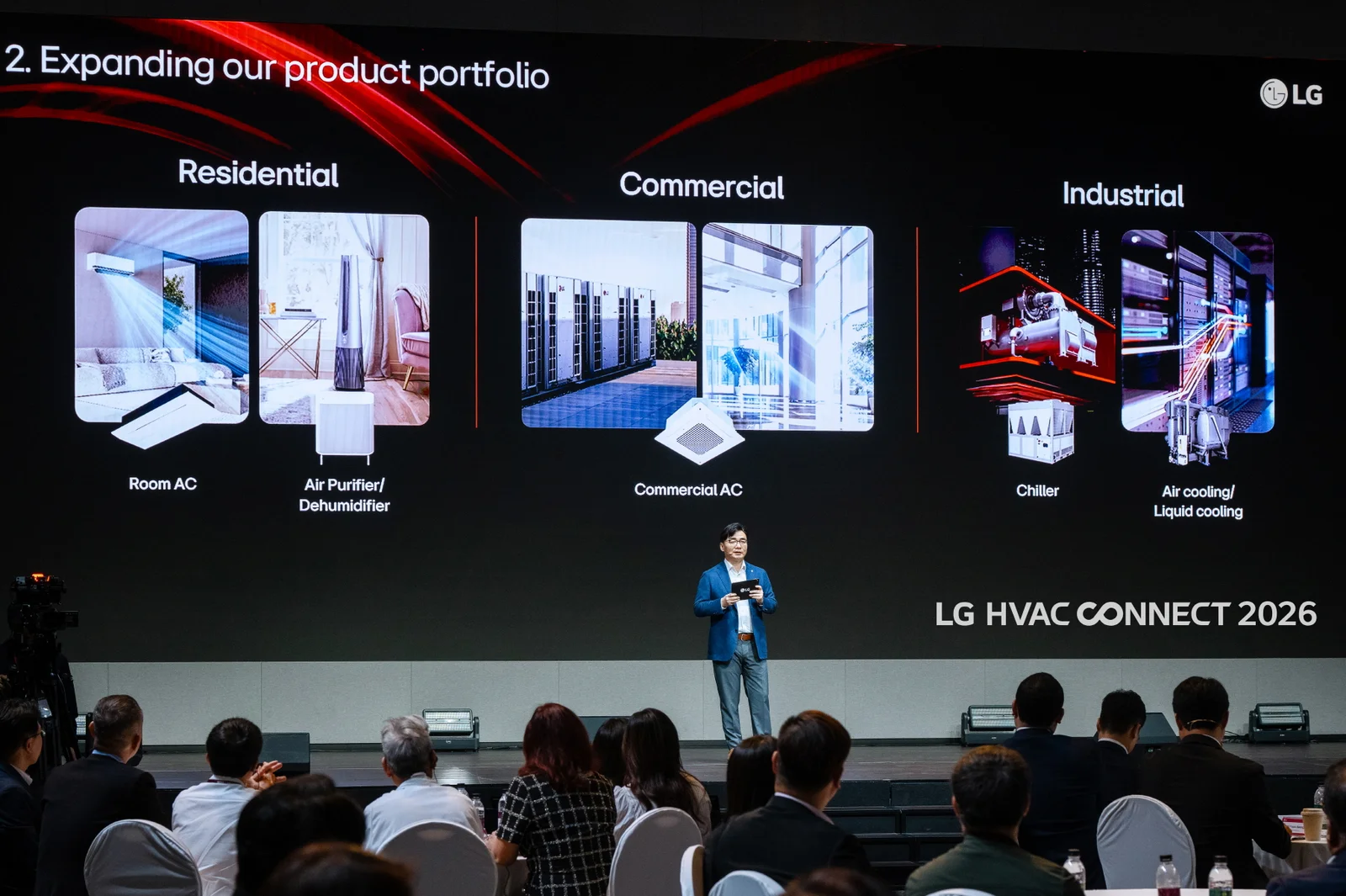
LG Electronics is strengthening its push into AI-powered climate and energy systems with the staging of HVAC CONNECT ASIA 2026, a regional partner event focused on next-generation heating, ventilation, and air conditioning (HVAC) solutions.
Held in Seoul, the event gathered more than 70 partners from 15 countries across Asia, where LG outlined its regional HVAC strategy and showcased how AI and data-driven systems are reshaping commercial cooling, energy management, and infrastructure efficiency.
The event highlights how HVAC systems are evolving beyond traditional cooling hardware into intelligent platforms designed for energy optimization and large-scale facility management.
LG positions AI at the core of its HVAC strategy
A key focus of LG’s presentation was the integration of artificial intelligence into HVAC systems, particularly for energy optimization and predictive control.
The company emphasized its broader HVAC strategy across system air conditioning, residential cooling, air care, and data center thermal management. Rather than treating these as separate product categories, LG is positioning them as part of a unified intelligent ecosystem.
Central to this strategy is real-time system adjustment based on environmental and operational data, allowing HVAC systems to respond dynamically to usage patterns.

Multi V 5 Pro2 leads AI-powered energy efficiency push
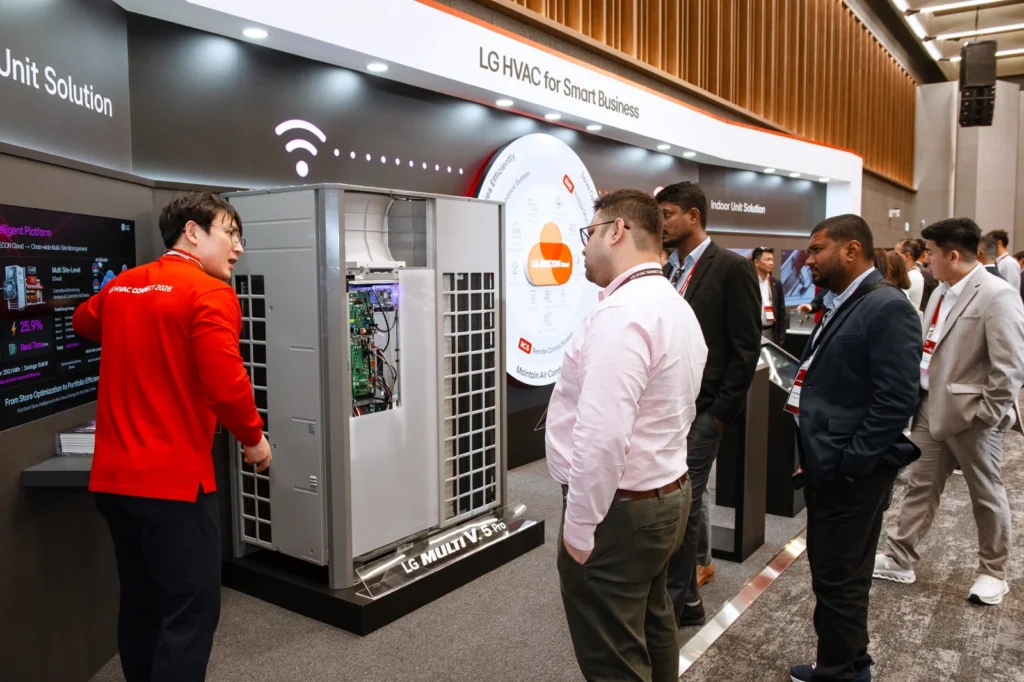
One of the main highlights of the event was the LG Multi V 5 Pro2, LG’s AI-enhanced variable refrigerant flow (VRF) system designed for commercial environments.
The system uses AI-based controls to automatically adjust cooling output and energy consumption based on real-time conditions, helping reduce unnecessary power usage.
Key capabilities include AI Smart Care for adaptive cooling control, AI Energy Management for optimized power consumption, up to 60% energy savings depending on conditions, and real-time operational monitoring.
LG positions the system as part of a broader shift toward automated energy efficiency in large commercial buildings and industrial spaces.
Regional use cases highlight practical HVAC deployment
Beyond product showcases, LG highlighted real-world implementations across Asia to demonstrate how its HVAC systems are being used in different environments.
These include energy management systems in Philippine franchise retail stores, IoT-enabled ducted HVAC units in Thailand’s restaurant sector, and centralized monitoring via LG’s BECON energy platform.
These examples reflect how HVAC systems are increasingly being adapted for localized business needs rather than standardized global deployment, with LG positioning its solutions around flexibility, monitoring, and region-specific operational efficiency.
Future HVAC systems move toward fully connected ecosystems
LG also presented its future roadmap, which focuses on fully connected and AI-managed HVAC environments.
This includes development of Multi V i AI-based VRF systems, AI-integrated DUALCOOL and ARTCOOL air conditioners, smart air purification systems, and data center cooling solutions.
The direction signals a shift toward HVAC systems that not only regulate temperature but also actively manage energy efficiency, air quality, and infrastructure performance through connected platforms, reinforcing LG’s push toward intelligent building ecosystems.
Industry collaboration remains central to LG’s expansion strategy
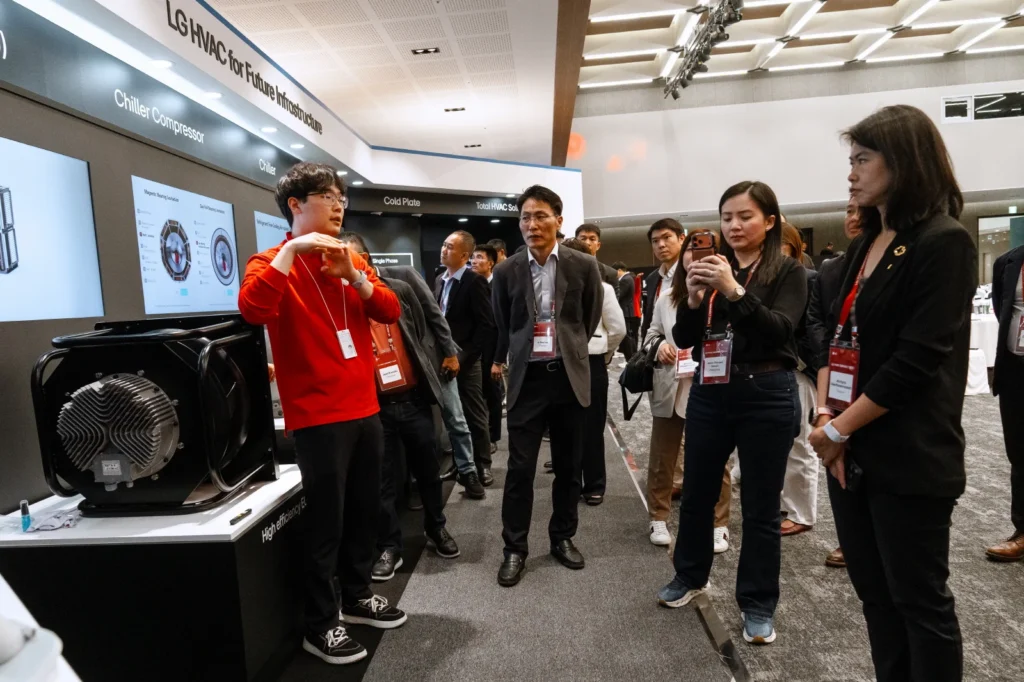
Alongside product demonstrations, LG structured the event around partner engagement, including business meetings and site visits to its chiller factory in Pyeongtaek and flagship D5 store in Seoul.
These sessions were designed to align LG’s technology roadmap with regional partner needs, particularly for short-term deployment opportunities and long-term infrastructure projects.
According to LG, collaboration with regional partners remains essential to scaling its HVAC business across Asia’s diverse commercial and industrial markets.
LG accelerates shift toward AI-powered building infrastructure
With HVAC CONNECT ASIA 2026, LG is reinforcing its transition from traditional appliance manufacturing to intelligent building infrastructure solutions.
By integrating AI, IoT, and energy management into HVAC systems, the company is positioning itself in a growing market where efficiency, sustainability, and automation define competitive advantage.
As demand for smart infrastructure rises across Asia, LG’s strategy signals a long-term bet on AI-driven environmental control systems as a core pillar of future urban and commercial development.