XPENG is entering the Philippine automotive market this September with two intelligent vehicles—the flagship XPENG X9 seven-seater and the XPENG L03 SUV coupé—as the Chinese technology company looks to introduce a broader concept of AI mobility to Filipino drivers.
Rather than positioning itself solely around electric vehicles, XPENG is building its pitch around artificial intelligence, intelligent driving, robotics, aerial mobility, and AI-enabled manufacturing. The Philippine launch will mark the company’s latest expansion in Southeast Asia as competition in the country’s EV market continues to grow.
XPENG X9 and L03 lead the Philippine launch
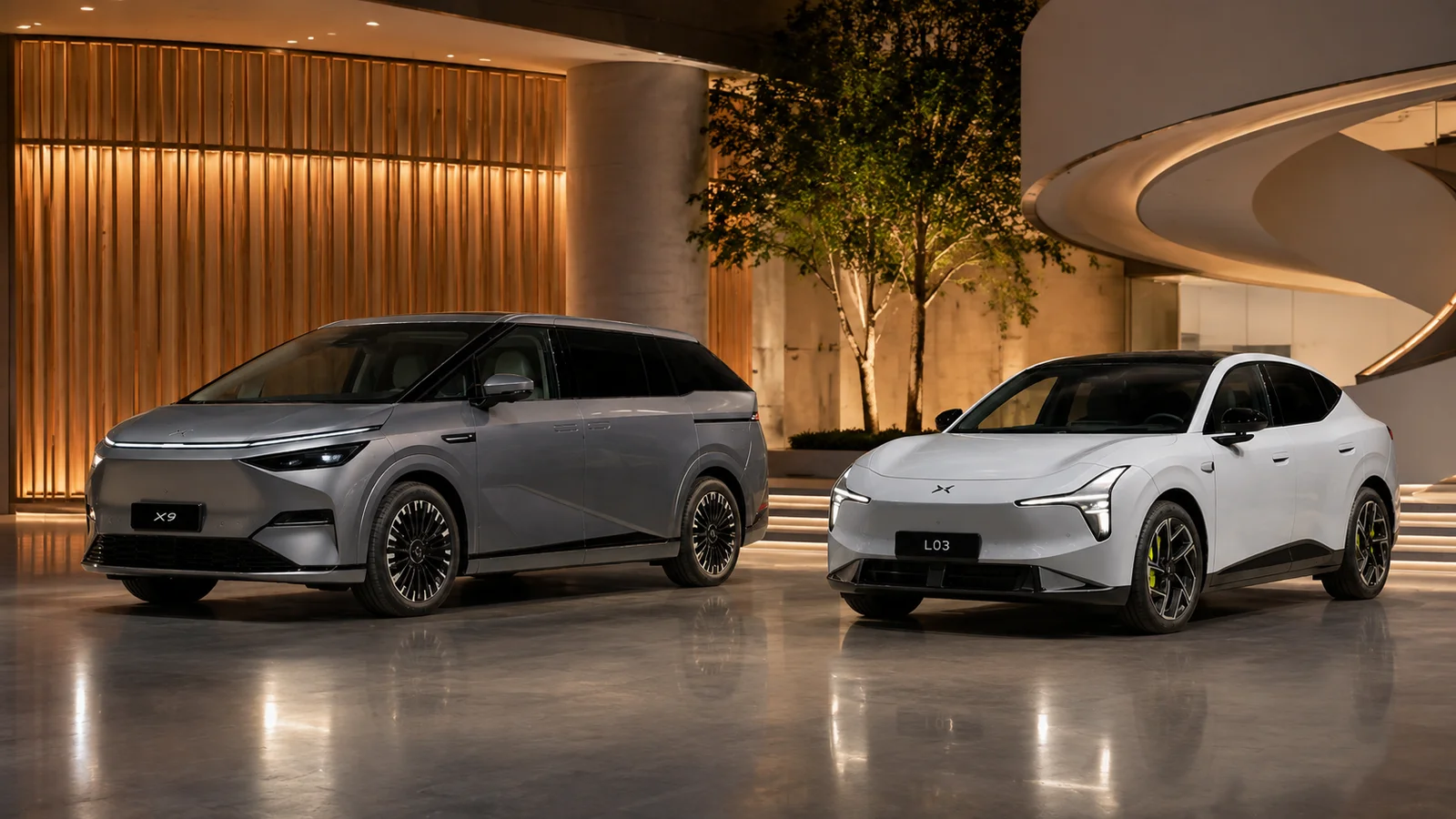
XPENG will initially bring two models to the Philippines, targeting different segments of the market.
The XPENG X9 is the company’s flagship intelligent seven-seater, combining a premium cabin with technology-focused features aimed at families, executives, and professionals.
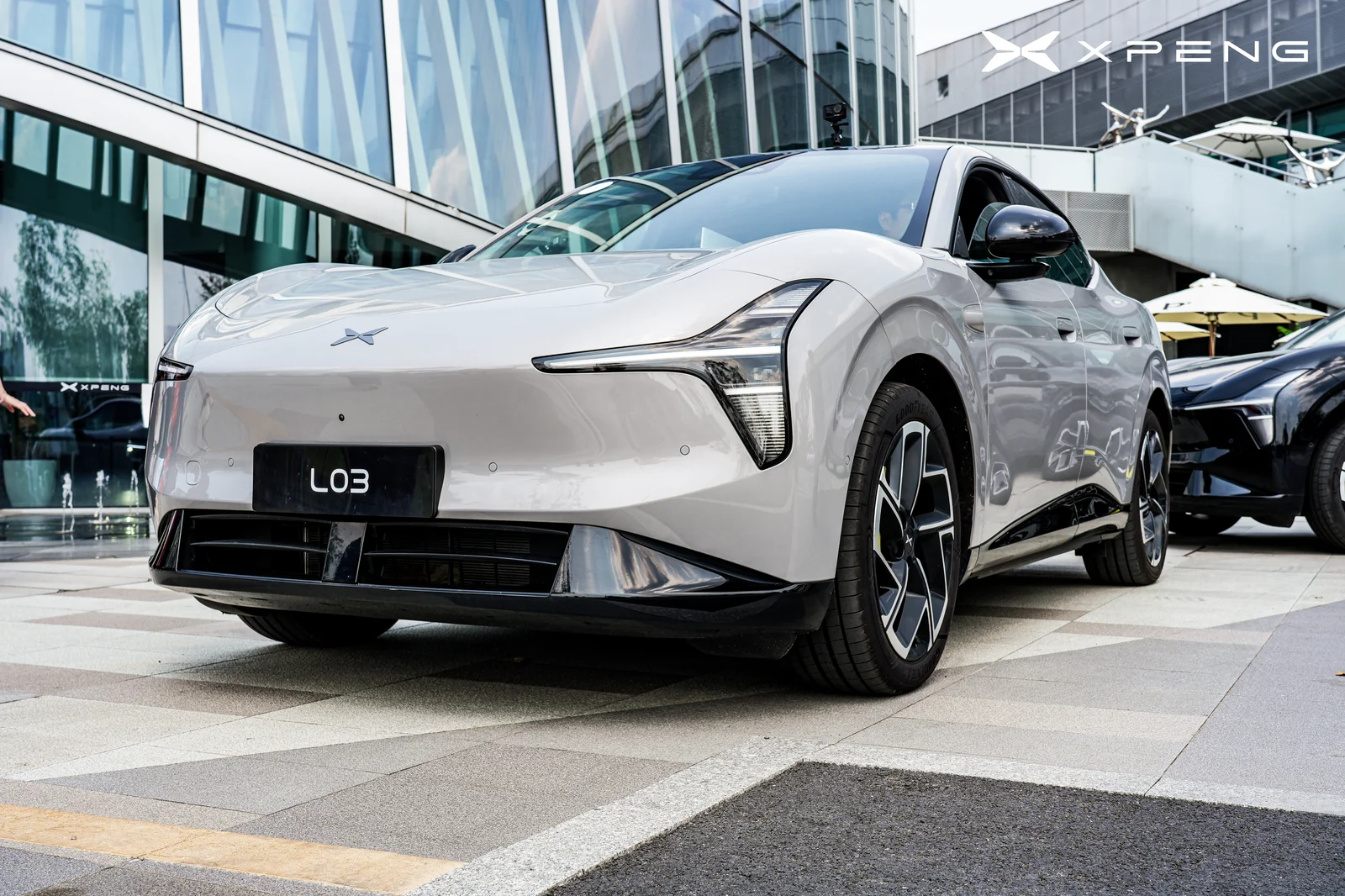
Meanwhile, the XPENG L03 takes a sportier approach with an SUV coupé design and AI-focused technology for everyday driving.
Philippine-specific specifications, variants, pricing, and availability will be announced during XPENG’s official launch in September.

The two vehicles represent different applications of the company’s AI Mobility strategy, but XPENG sees both as examples of how software and artificial intelligence can make vehicles more responsive to their surroundings and the people inside them.
“The next generation of mobility will be defined not only by how vehicles are powered, but by how intelligently they serve the people who use them,” said Sam Chu, General Manager for Southeast Asia at XPENG.
AI is at the center of XPENG’s mobility strategy
XPENG’s approach goes beyond adding AI features to conventional electric vehicles. The company describes its broader technology direction as Physical AI—systems designed to perceive, understand, and interact with the physical world.
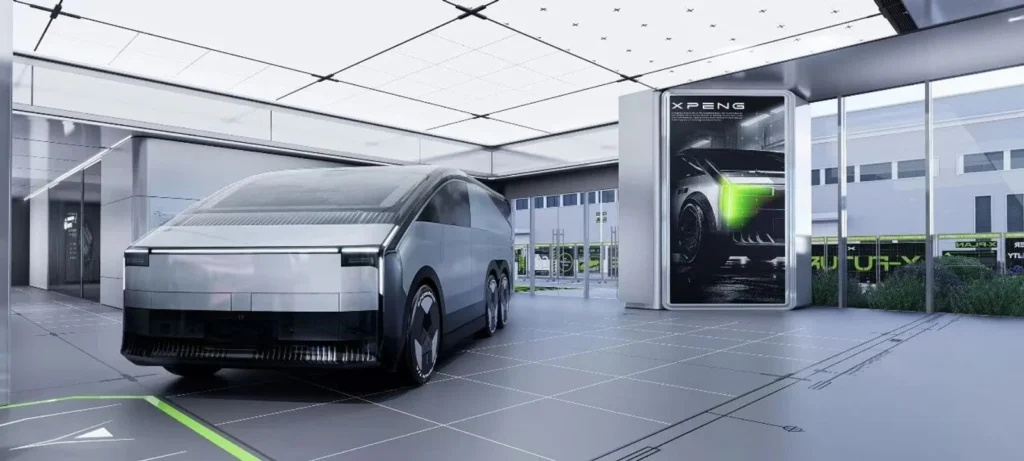
For its vehicles, that translates into intelligent technologies intended to make driving safer, easier, and more intuitive.
The company’s investment in research and development reflects that strategy. As of the end of 2025, XPENG had 8,845 employees working in R&D, representing more than 40% of its workforce. These teams work across artificial intelligence and software, intelligent driving, robotics, vehicle engineering, and advanced mobility technologies.
That emphasis gives XPENG a different positioning from automakers that primarily treat software and AI as features within an existing vehicle business.
XPENG’s AI ecosystem extends beyond cars
The X9 and L03 are only part of XPENG’s larger technology ecosystem.
The company is also developing IRON, a humanoid robot designed to interact with people and operate in real-world environments. XPENG plans to deploy the robot as a guide in its retail locations as development progresses toward mass production.
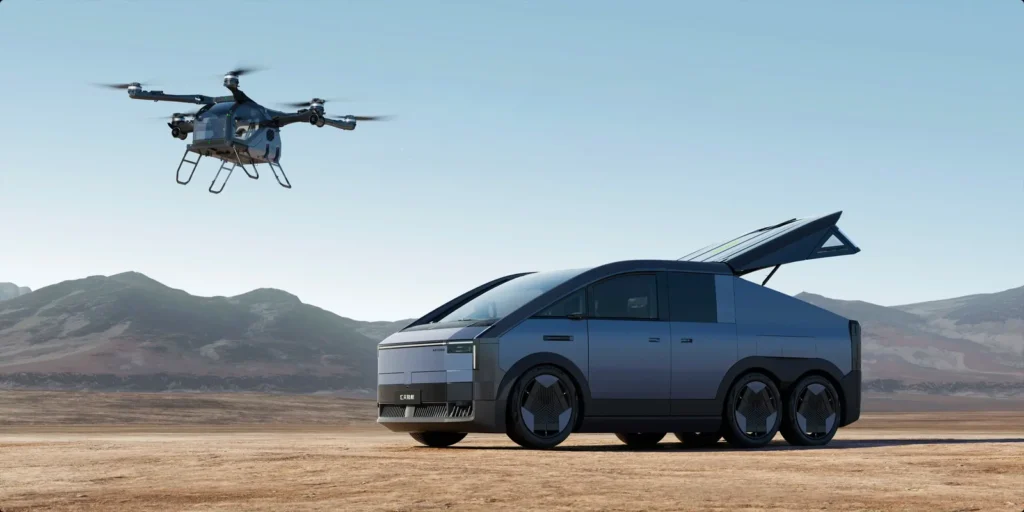
Its affiliated low-altitude mobility company, ARIDGE, meanwhile, is developing flying-vehicle technology. Its Land Aircraft Carrier combines a road vehicle with a detachable electric aircraft, opening potential applications beyond conventional transportation.
For the Philippines, such technology is particularly interesting given the country’s geography. An archipelago with thousands of islands faces logistical and transportation challenges where alternative forms of mobility could eventually have applications in emergency response or reaching areas that are difficult to access by road.
Those applications remain dependent on technological development, infrastructure, and regulation, but they illustrate how XPENG views mobility as a problem that extends beyond the road.
AI also powers XPENG’s manufacturing
XPENG’s AI strategy also extends into how its vehicles are produced.
The company’s smart factories use automation, connected production systems, and AI-supported quality controls to improve manufacturing consistency and efficiency. This puts artificial intelligence further into the vehicle development pipeline rather than limiting it to the features customers interact with.
Together with IRON and ARIDGE, the company’s manufacturing systems demonstrate how XPENG is attempting to build a technology ecosystem around AI, sensing, software, and intelligent engineering.
XPENG enters a crowded Philippine EV market
XPENG’s arrival comes as Chinese automotive brands continue to expand their presence in the Philippines, giving consumers more choices in electric and electrified vehicles.
As more manufacturers compete on range, design, cabin technology, and pricing, those specifications could become less effective as long-term differentiators. XPENG is instead betting that the next area of competition will be how intelligently vehicles can understand their environment and respond to their users.
That makes the Philippine launch more than the arrival of another EV brand. XPENG is entering the country with an attempt to establish AI Mobility as its own category, using the X9 and L03 as the first local expressions of that strategy.
With the company’s official Philippine launch scheduled for September, the focus will soon shift from XPENG’s broader AI ambitions to how those technologies translate into the actual vehicles and ownership experience available to Filipino motorists.