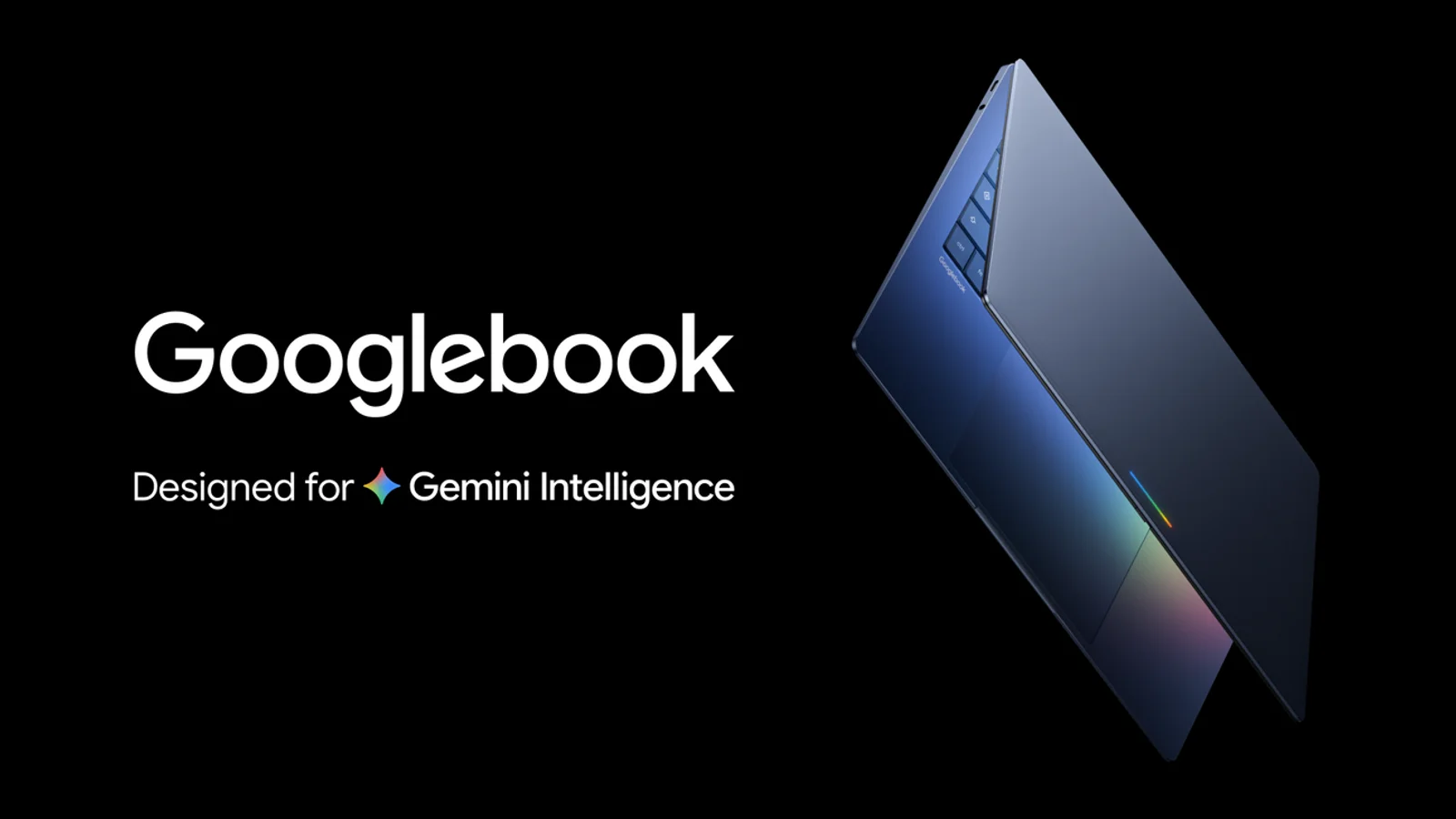
Google is redefining the laptop category with the introduction of Googlebook, a new line of AI-first devices built around Gemini Intelligence. Positioned as the next evolution after Chromebooks, the platform shifts computing from an operating system-centric model to an intelligence-driven experience.
Announced ahead of a wider rollout expected later this year, Googlebook focuses on proactive AI assistance, tighter Android ecosystem integration, and premium hardware built in partnership with major PC manufacturers.
From Chromebook to AI-native computing
Googlebook builds on the foundation of Chromebooks, which popularized cloud-first computing over the past decade. However, the new category moves beyond browser-based workflows and places AI at the center of the user experience.
According to Google, the shift reflects how users now expect laptops to act more like intelligent assistants rather than passive tools. The company describes Googlebook as a device designed to deliver “personal and proactive help” through Gemini.
Gemini Intelligence powers a new laptop experience

At the core of Googlebook is Gemini Intelligence, which introduces deeper system-level AI features that go beyond traditional productivity tools.

Key features include Magic Pointer, an AI-enhanced cursor that provides contextual actions based on what users highlight or hover over; smart scheduling tools that can convert email dates into calendar events; visual generation tools that combine images for quick creative previews; and context-aware suggestions integrated directly into on-screen interactions.
Google positions the cursor as a primary interaction layer, turning a traditionally static interface element into an active AI assistant.
Personalized desktop widgets and AI dashboards
Googlebook also introduces a feature called Create Your Widget, allowing users to generate personalized desktop widgets through natural language prompts within the Gemini Intelligence ecosystem.
These widgets can pull data from Gmail, Calendar, and other Google services, aggregate travel plans, reminders, and schedules into a unified dashboard, and provide dynamic updates such as countdowns, bookings, and task tracking.
Google positions the feature as a way to reduce app switching and centralize information into a single AI-organized workspace.
Deep integration with Android devices
Googlebook is designed to work seamlessly with Android phones, allowing deeper cross-device integration within the Google ecosystem.
This includes running phone apps directly on the laptop interface, cross-device file access through Quick Access in the file browser, and continuity features that allow tasks to move between phone and laptop instantly.
This approach positions Googlebook as part of a broader connected ecosystem rather than a standalone device.
Premium hardware built with major OEM partners
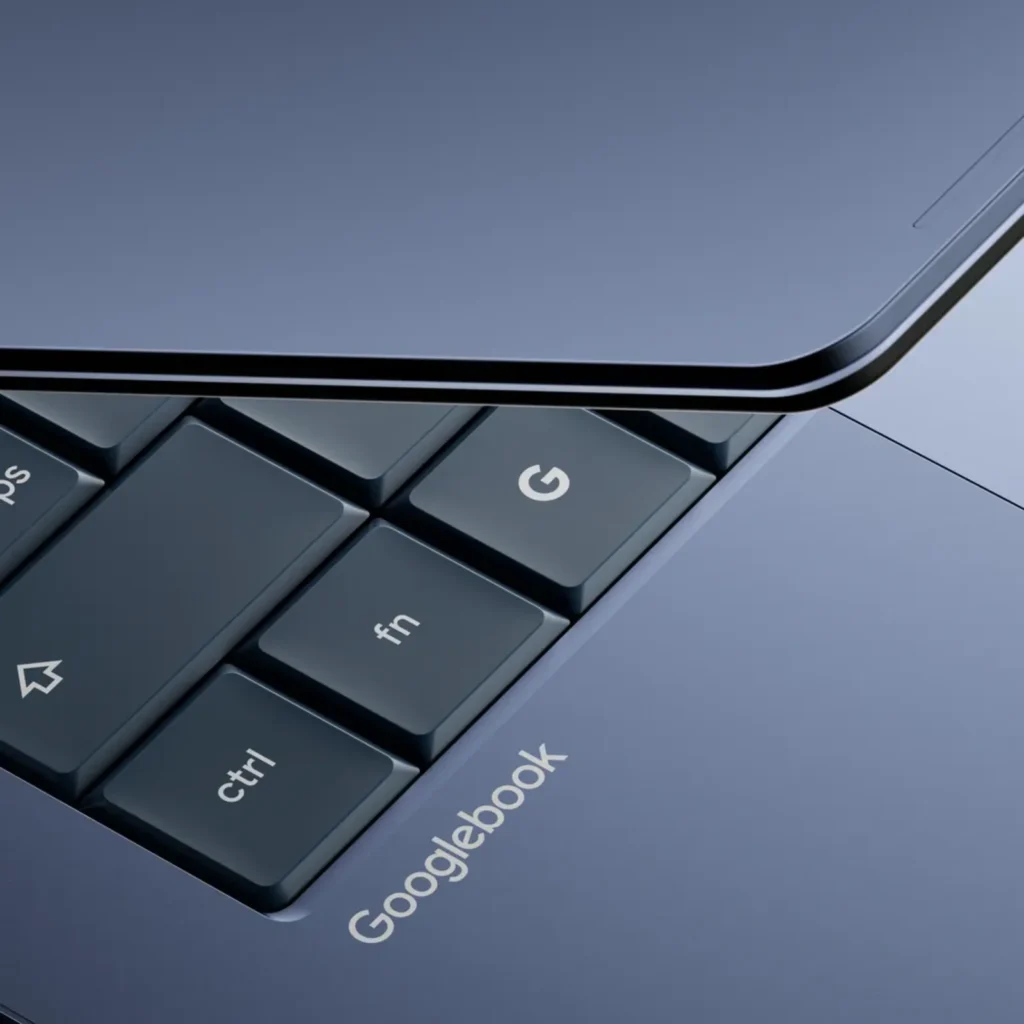
Google confirmed that Googlebooks will be developed in collaboration with leading PC manufacturers including Acer, ASUS, Dell, HP, and Lenovo. Devices will come in multiple form factors, all designed with premium materials and a distinct “glowbar” identity feature.
While hardware details remain limited, Google emphasized that the lineup will target premium performance segments and modern productivity workflows.
With Googlebook, Google is signaling a broader shift in personal computing—where operating systems become secondary to AI-driven interaction layers. The integration of Gemini across system functions reflects the company’s push to make laptops more predictive, adaptive, and context-aware.
As AI continues to reshape productivity tools, Googlebook positions itself as a blueprint for what the next generation of laptops could look like: less manual input, more intelligent automation. Further details on devices and availability are expected later this year.