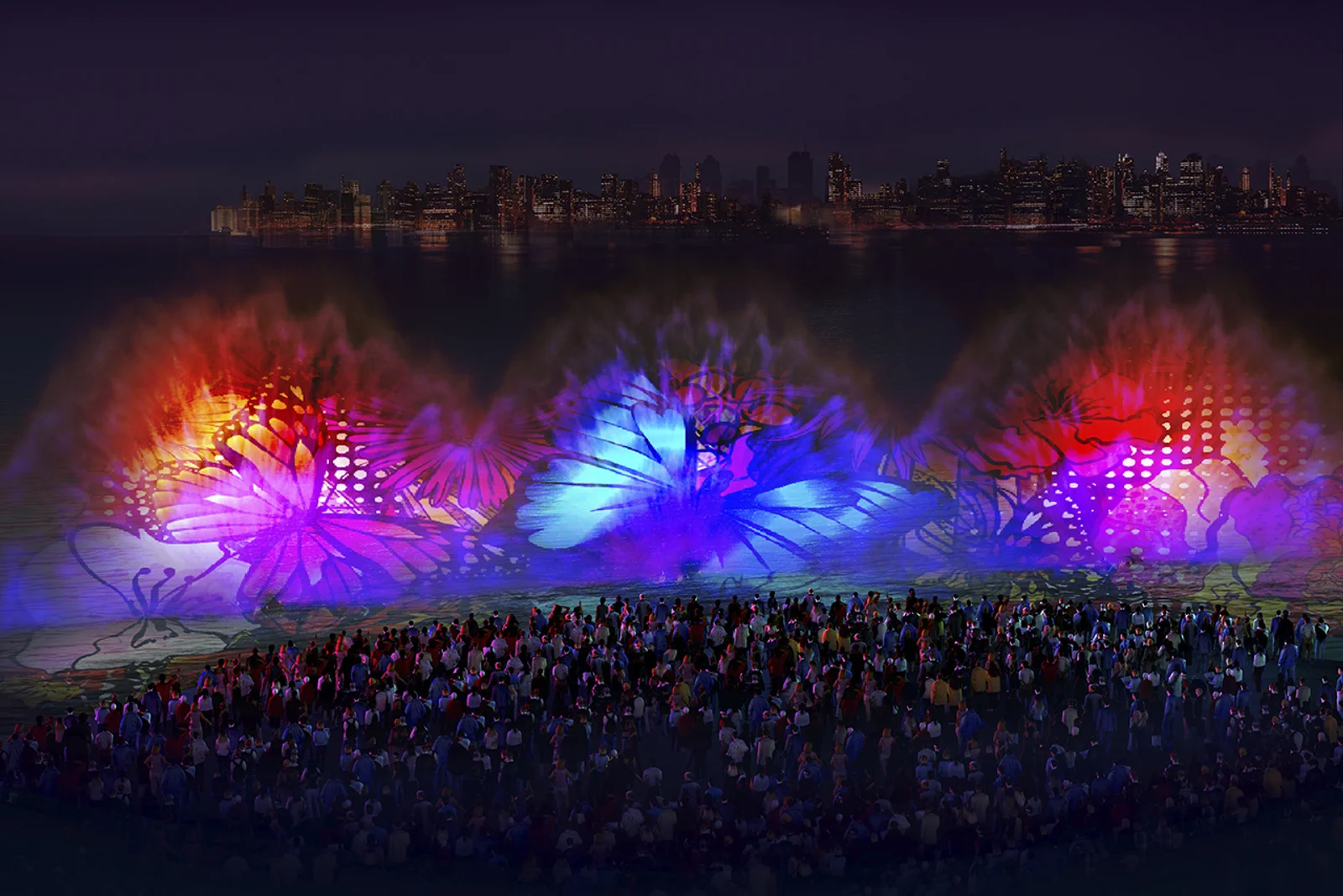
Epson is positioning its projection technology as a key tool for modern cultural storytelling, as museums, galleries, and public institutions look for new ways to present heritage content to today’s more visually driven audiences.
As Heritage Month spotlights history and identity, Epson emphasizes how large-scale projection systems can help institutions make archival materials, artworks, and educational displays more accessible, visible, and engaging in physical spaces.
Cultural institutions shift toward immersive visual storytelling
Museums and heritage spaces are increasingly moving beyond static printed panels and traditional exhibit formats, shifting toward large-scale digital visuals to improve engagement and comprehension among visitors.
This change is largely driven by evolving audience behavior, where visitors tend to scan exhibits quickly and engage with information in short bursts rather than sustained long-form reading.
Projection technology supports this transition by enabling large-format visual storytelling for exhibits and timelines, easier updates to exhibit content without physical redesign, shared viewing experiences for larger visitor groups, and better integration of multimedia historical materials.
High-brightness projection addresses visibility challenges in public spaces
One of the key challenges in cultural installations is maintaining clarity under varying lighting conditions and high foot traffic environments.

Epson EB-L30000UNL is highlighted as part of its high-brightness projection systems designed for large-scale venues requiring strong visibility even in ambient light.
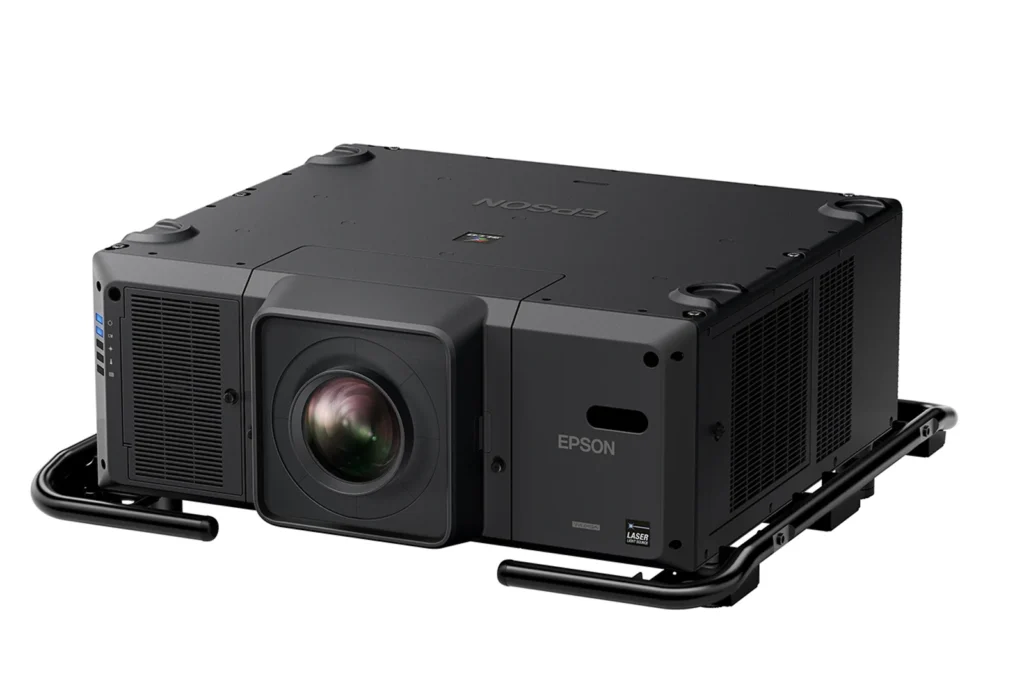
Key capabilities include up to 30,000 lumens brightness output, high-detail reproduction for maps, murals, and archival visuals, long operational lifespan of up to 20,000 hours, and reduced maintenance requirements for long-term installations.
These features make the system suitable for museums, galleries, and public exhibitions that require continuous operation without frequent downtime.
Flexible projection systems for diverse cultural environments
Not all cultural spaces have the same requirements, and Epson is also targeting smaller venues and flexible exhibit setups through its L-Series projector lineup.
These systems are designed for multi-environment use, including classrooms, galleries, and temporary exhibits.
Key features include up to 8,000 lumens brightness with 4K enhancement, short-throw projection for compact spaces, wireless connectivity for easier content management, and installation flexibility for changing exhibit layouts.
This flexibility allows institutions to adapt displays without major structural changes, supporting rotating exhibits and evolving educational programs.
Long-term durability and sustainability in focus
Beyond performance, Epson is also emphasizing long-term operational efficiency and sustainability in its projection technology.
Laser-based light sources reduce maintenance needs, while stable output supports continuous operation in high-usage environments such as museums and cultural centers.
Epson also highlights its environmental initiatives, including 100% renewable electricity usage across global sites, packaging made with over 80% recycled cardboard, and ongoing reduction in material waste and production emissions.
These efforts align with increasing institutional demand for sustainable technology in public sector and cultural deployments.
Projection tech reshapes how heritage is experienced
As cultural institutions modernize, projection technology is becoming a key enabler of immersive and flexible storytelling formats. Instead of static displays, heritage content can now be scaled, animated, and adapted to different audiences and spaces.
Epson’s positioning reflects a broader trend in museum technology, where visual clarity, adaptability, and sustainability are becoming central to how historical narratives are preserved and presented.
The result is a more dynamic approach to cultural storytelling—one that bridges traditional heritage with modern digital experiences.