SM Prime Holdings is expanding the use of solar power across its mall network, positioning its properties as energy hubs that support both sustainability and operational efficiency.
Through rooftop solar installations across SM Supermalls, the company aims to reduce dependence on the national grid while improving power availability in surrounding communities. This initiative reflects a growing shift among large property developers toward integrating renewable energy into commercial spaces.
Solar Capacity Now Powers City-Scale Demand
SM Prime’s solar program began with its first installation at SM North EDSA in 2014. Since then, the company has expanded its solar footprint to a scale capable of powering cities such as Mabalacat and Mandaue.
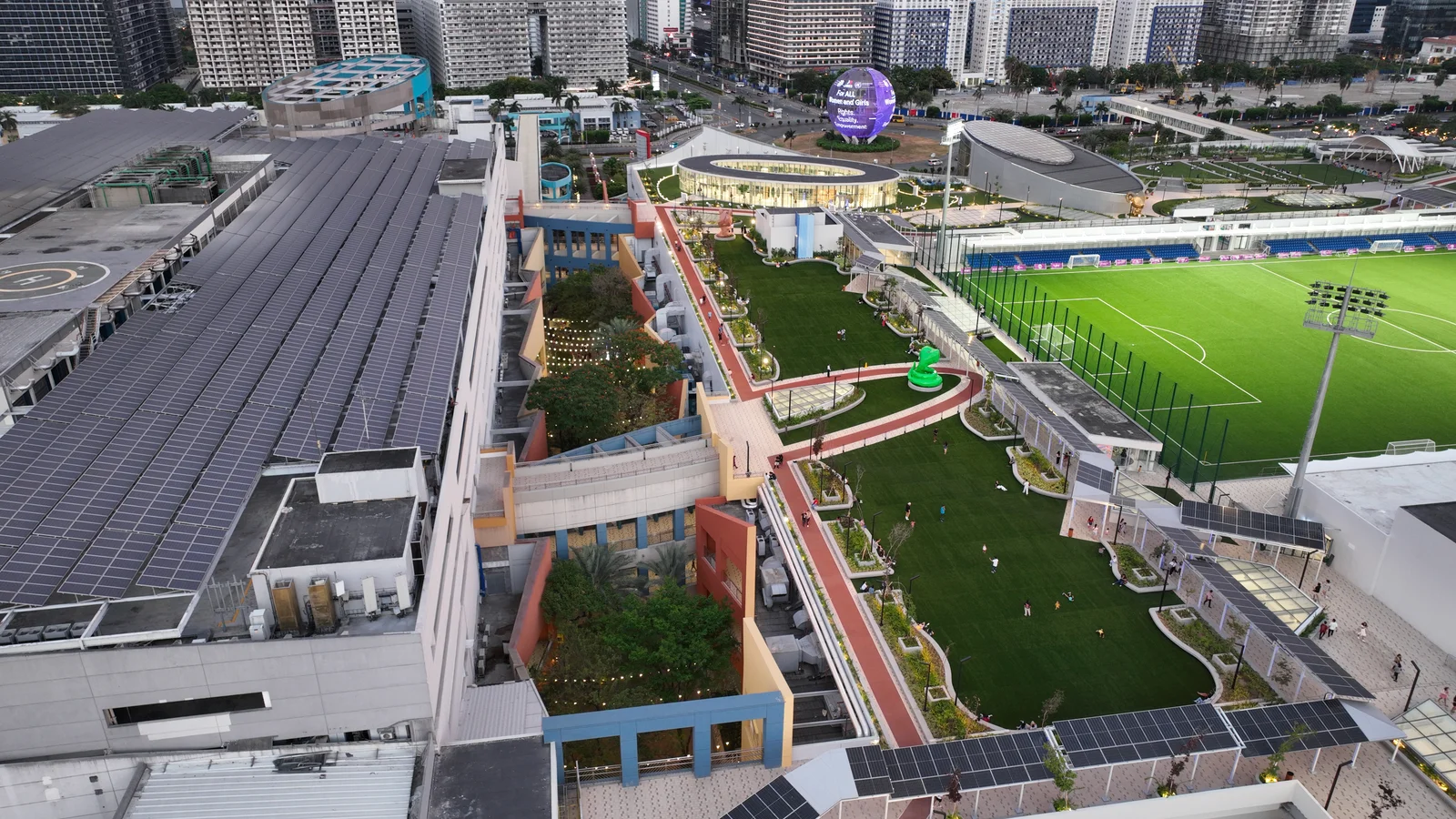
Today, SM utilizes around 65 hectares of rooftop space for solar panels, making it one of the largest clean energy adopters among property developers in the Philippines. This scale highlights how commercial infrastructure can contribute to broader energy sustainability efforts.
Integrating Solar into Mall Design and Operations
Beyond rooftops, SM is incorporating solar technology into everyday mall spaces. At SM Mall of Asia, solar panels are integrated into the MOA Sky walkway, providing both shade and energy generation. The installation produces enough power to run approximately 1,000 escalators daily or supply electricity to around 1,800 homes for a month.
Meanwhile, SM City Bicutan features solar-powered parasols in its Sky Garden. These structures double as design elements and functional lighting, generating energy during the day and providing up to five hours of illumination at night.

This approach shows how renewable energy can be embedded into customer-facing spaces without disrupting the overall mall experience.
Renewable Energy Supports Daily Mall Operations
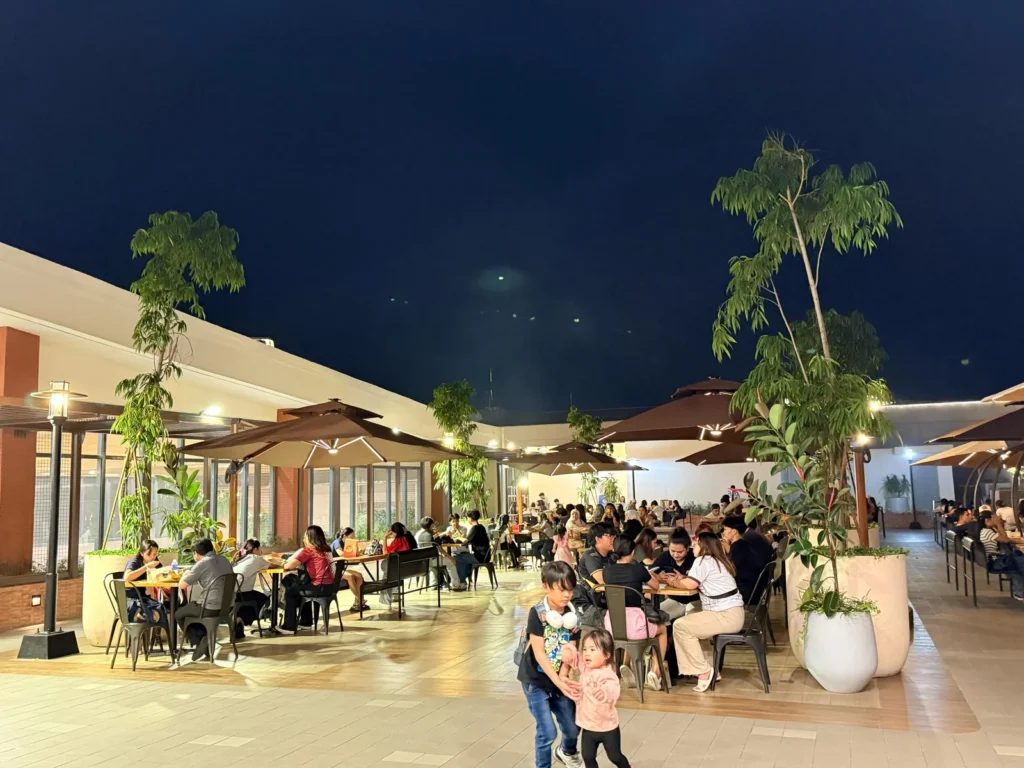
By integrating solar power into multiple touchpoints, SM is reducing reliance on traditional electricity sources while maintaining consistent operations. These systems support lighting, escalators, and other mall functions, helping improve energy efficiency across large-scale retail environments.
The use of solar energy also contributes to lower carbon emissions, aligning with broader sustainability goals in the real estate and retail sectors.
Why Solar Integration Matters for Commercial Spaces
SM Prime’s solar initiatives highlight how large commercial developments can play a role in addressing energy challenges. As electricity demand increases, especially in urban centers, integrating renewable energy into existing infrastructure helps reduce strain on the grid.
For consumers, this translates to more sustainable public spaces without compromising convenience. For the industry, it sets a precedent for how malls and mixed-use developments can evolve into energy-efficient environments that support both business operations and community needs.