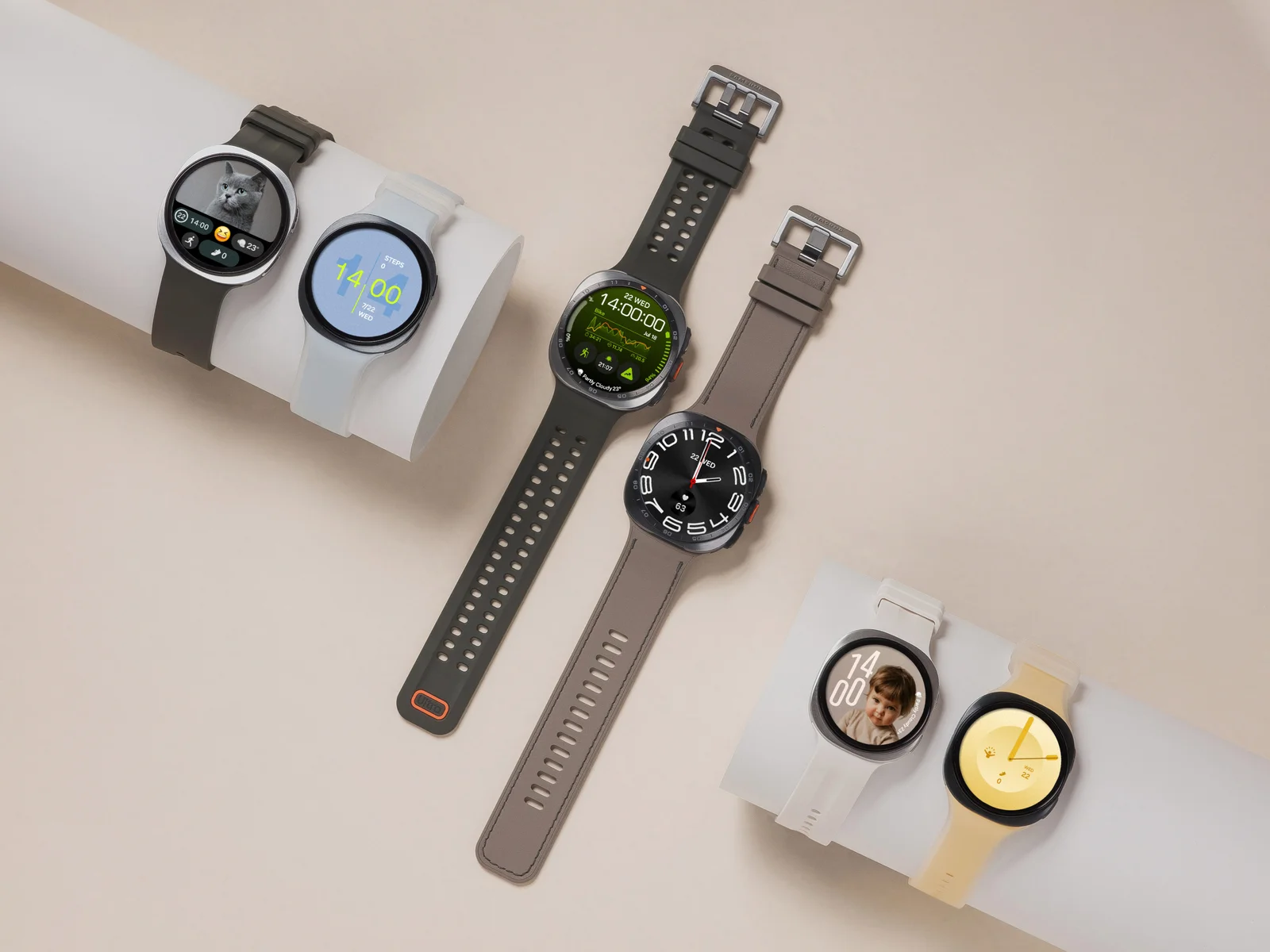

Samsung has announced new research showing that the Samsung Galaxy Watch6 may help predict fainting episodes before they happen, marking what the company describes as the world’s first successful demonstration of syncope prediction using a commercial smartwatch.
The findings come from a joint clinical study conducted with Chung-Ang University Gwangmyeong Hospital, where researchers used biosignal data from the Galaxy Watch6 to detect signs of vasovagal syncope (VVS), commonly known as fainting.
Galaxy Watch6 study focuses on vasovagal syncope prediction
Vasovagal Syncope occurs when heart rate and blood pressure suddenly drop, often triggered by stress, pain, or prolonged standing. The condition can cause temporary loss of consciousness and unexpected falls that may lead to injuries such as fractures or concussions.
Researchers evaluated 132 patients with suspected VVS symptoms during medically induced fainting tests. Using the Samsung Galaxy Watch6’s photoplethysmography (PPG) sensor, the team collected heart rate variability (HRV) data and analyzed it through an AI-driven prediction model.
According to Samsung, the system predicted fainting episodes up to five minutes before they occurred, achieving 84.6% overall accuracy, 90% sensitivity, and 64% specificity.
The findings were published in the European Heart Journal – Digital Health.


Wearable health technology moves further into preventive care
The study highlights how smartwatch health tracking is evolving beyond fitness and wellness metrics into preventive healthcare applications.
Samsung said the research supports a broader shift toward real-time monitoring and early intervention using wearable devices. If developed further, the technology could eventually provide warning alerts that allow users to sit down, contact someone, or prepare before losing consciousness.
The company’s health research team said this type of system could reduce injuries linked to sudden falls caused by fainting episodes.
AI and biosignal analysis become central to smartwatch health features
The Samsung Galaxy Watch6 study also reflects a growing industry trend in which smartwatch makers are investing heavily in AI-assisted health monitoring.
Modern wearables already support features such as ECG monitoring, blood oxygen tracking, sleep analysis, heart rhythm detection, and stress monitoring. Samsung’s latest research adds fainting prediction to the growing list of potential health applications for wearable devices.
Samsung said it plans to continue expanding partnerships with medical institutions to further improve the health monitoring capabilities of future Galaxy wearable products.