Visa’s Money Travels 2026 survey indicates that Philippines digital remittance trends are being shaped by demand for faster access and lower confidence in stablecoin transfers. The Visa-commissioned study reports strong use of digital cross-border methods among Filipino respondents, while its stablecoin findings show a sizable gap between awareness and trust. For households that receive money from abroad, the figures matter because essentials and family obligations were the leading stated reasons for moving funds across borders.
The survey was conducted by Morning Consult on Visa’s behalf from 24 February to 2 March 2026. It covered more than 45,000 remittance senders and receivers across 20 markets; its Asia Pacific results include the Philippines, Australia, Mainland China, India, Japan and Singapore. The findings are based on self-reported responses, so they reflect consumer attitudes and stated behavior rather than transaction records.
A receiver-led remittance market
Visa said 72% of Filipino respondents send or receive money multiple times a year, while about 35% do so monthly. It described the Philippines as the top receiver-led market among the six Asia Pacific markets surveyed, with 45% of Filipino respondents saying they had received money from overseas in the previous 12 months.
The report identifies practical household support as a central reason for transfers.
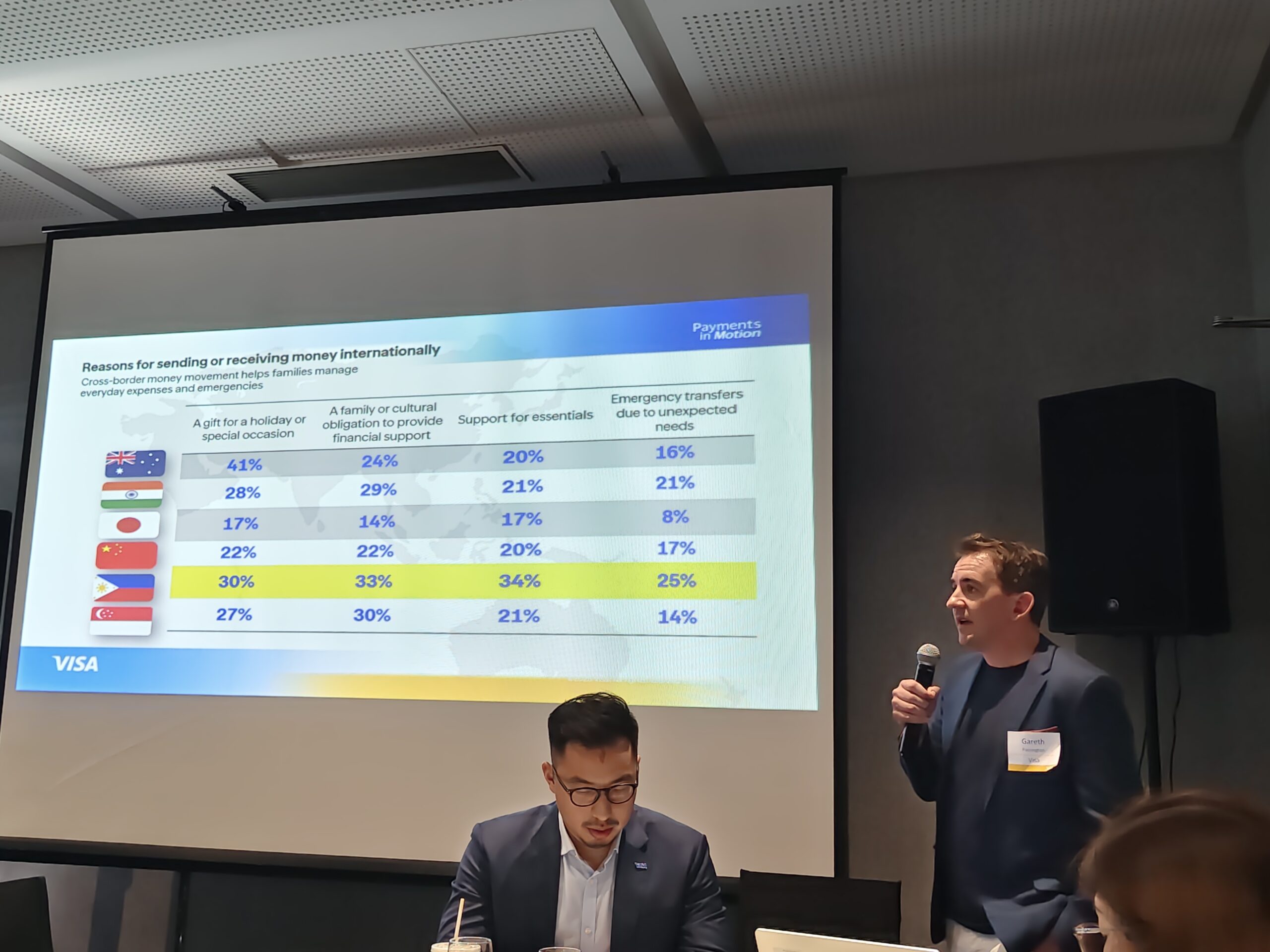
Some 34% cited support for essentials, while 33% cited a family or cultural obligation to provide or receive financial support. Visa said both figures were the highest among the six Asia Pacific markets in the study. Another 30% named gifts for holidays or special occasions, second only to Australia in the surveyed group.
Speed shifts transfers toward digital channels
The report’s Philippines digital remittance trends also show why digital channels are gaining ground. Among respondents, mobile wallets were the method most associated with instant access to funds, at 44%. Digital transfers directly to a bank account followed at 31%, while 20% cited debit or credit cards used on an app or website.

By comparison, 18% said in-person transfers at a bank, money-transfer agent or store enabled instant access. Visa said 27% of Filipino respondents cited difficulty transacting outside normal banking hours, and only 19% reported making in-person transactions at physical agents or stores. These findings describe respondents’ perceptions of speed, not an independently measured comparison of transfer services.
Stablecoin awareness does not yet equal trust
Visa’s detailed findings say 42% of Filipino respondents had some awareness of stablecoins. But only 38% said they trusted stablecoin transfers, compared with 81% for cash remittances and 79% for digital remittances. The release’s opening summary separately says 20% of Filipinos already have some knowledge about stablecoins, which conflicts with the 42% awareness figure in its detailed section and should be clarified before publication.
The report found that 79% of Filipino respondents wanted more education on stablecoins and how they work. Government was identified by 70% as a trusted entity for handling digital currencies, followed by global payment networks such as Visa at 68%.
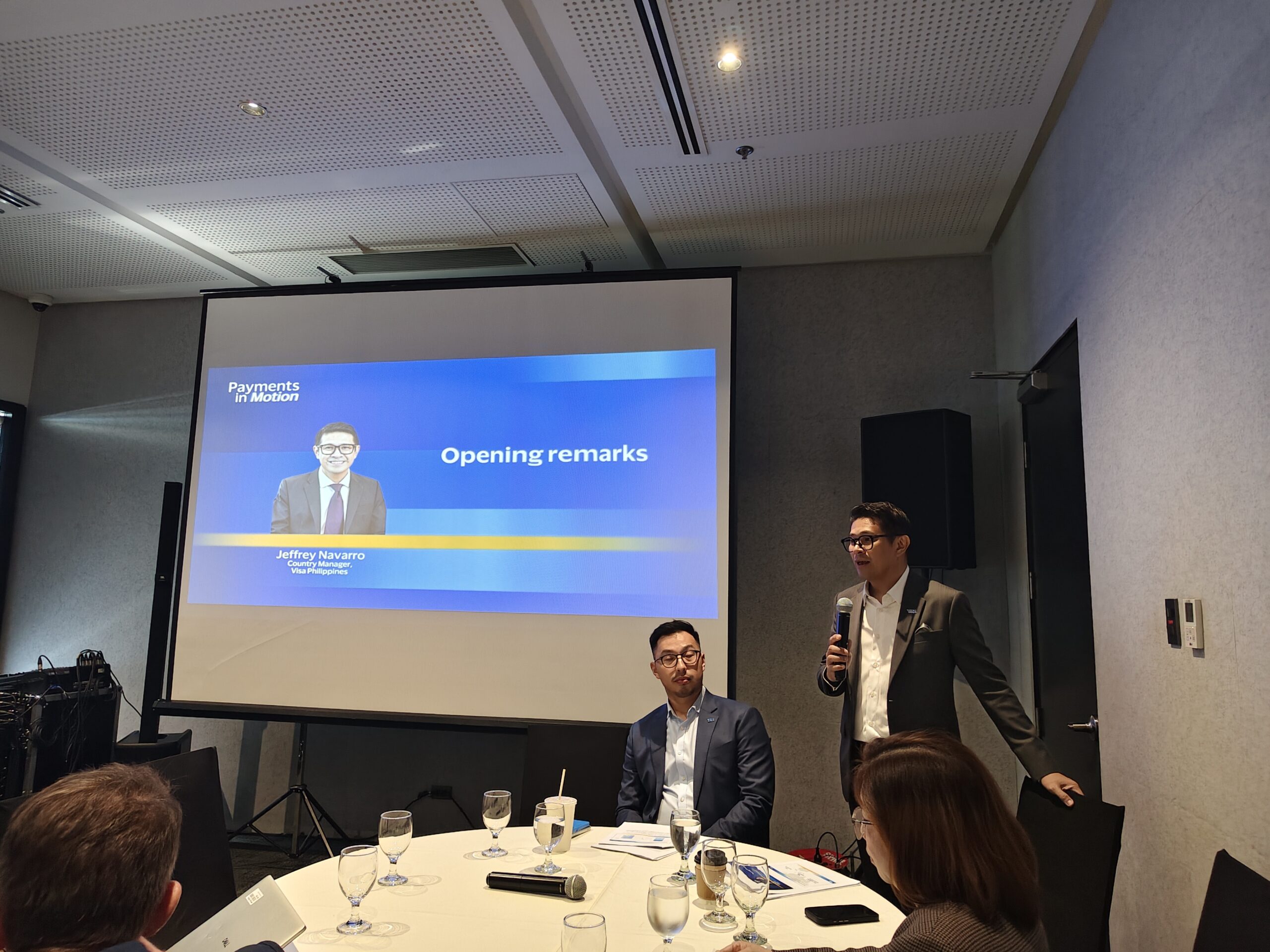
Visa Philippines Country Manager Jeffrey Navarro said the company would continue working with regulators, banks and fintech partners on money-movement solutions.
The survey notes that respondents received definitions of key terms before answering, and that scenarios involving bank-equivalent protections were hypothetical. It also states that stablecoins are not currently covered by deposit insurance.
For now, the Philippines digital remittance trends in Visa’s survey point to a clear distinction: respondents see established digital channels as fast, but stablecoin interest still depends on education and confidence.