
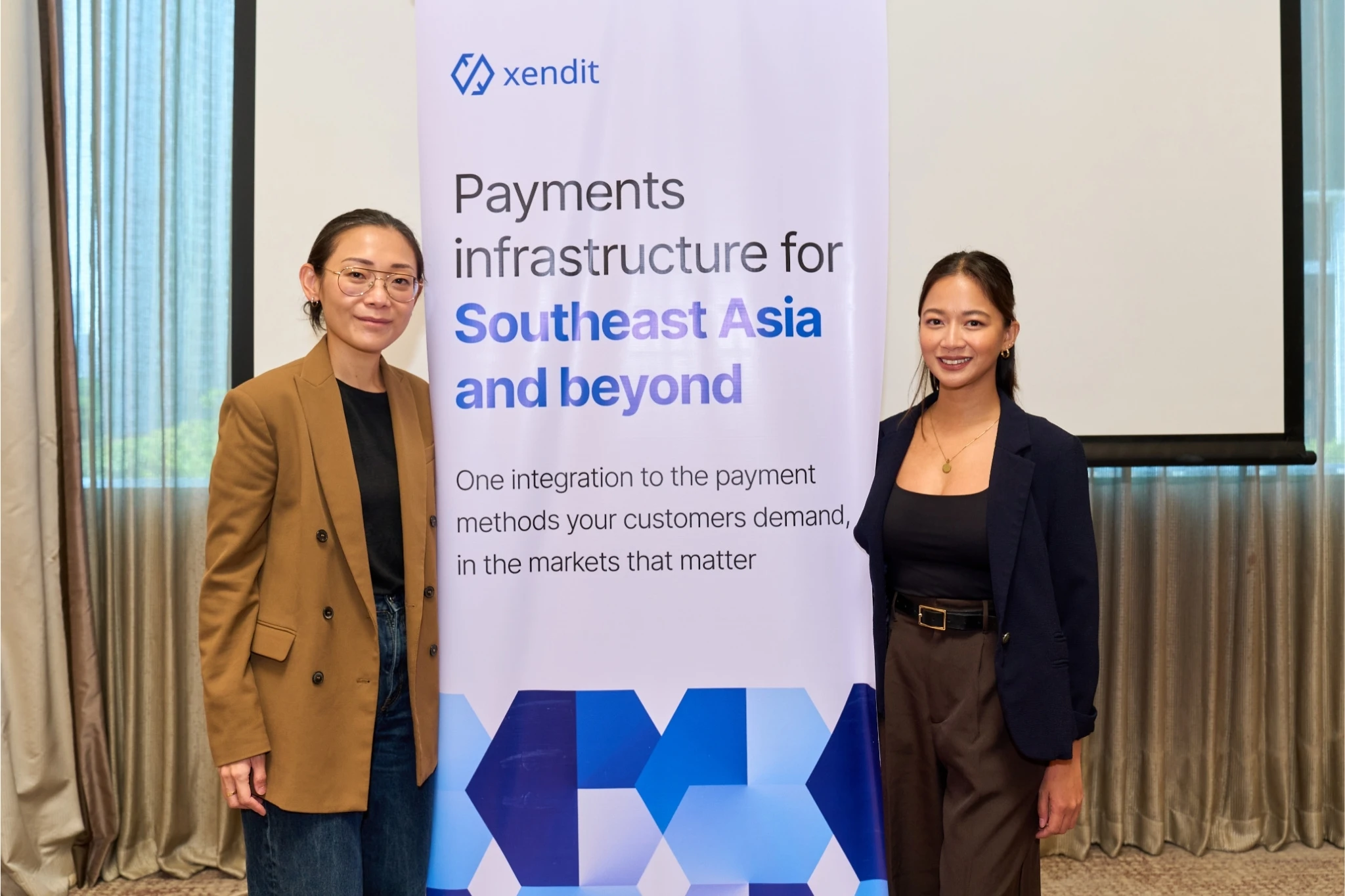
QR Ph and InstaPay payments grew 198% on Xendit’s platform over the 15 months to April 2026, but cash-on-delivery (COD) continued to account for a larger share of Philippine ecommerce than in five other Southeast Asian markets.
The findings come from Xendit’s Ecommerce Payments Momentum Report 2026, released on Oct. 15 and produced with ecommerce data firm Cube. The report combines transaction data from Xendit’s platform with a survey of 1,000 Filipino online shoppers, part of a 6,000-person survey across Indonesia, Malaysia, the Philippines, Singapore, Thailand and Vietnam, as well as insights from business leaders.
QR Ph and InstaPay outpace e-wallet growth
QR Ph and InstaPay, which enable real-time QR payments and bank transfers, recorded a 198% increase in transaction value on Xendit’s platform over the 15-month period ending April 2026. Together, they accounted for about 13% of ecommerce value tracked by the company.
E-wallet payments grew by just 3% over the same period, pointing to a broader mix of digital payment options in the Philippines rather than a wholesale shift away from established services.
The report still characterizes the country as a wallet-first market, with GCash maintaining a dominant position. However, QR Ph and InstaPay are gaining ground as shoppers use more ways to pay online.
Across the six markets, 32% of 25 surveyed business leaders identified QR payments as the method experiencing the strongest rise in customer demand. E-wallets and bank transfers followed at 20% each.

COD remains the Philippines’ defining ecommerce payment habit
Cash-on-delivery accounted for about 23% of ecommerce value in Xendit’s Philippine transaction data, the highest share among the six markets. Vietnam followed at around 16%.
The report projects that the Philippines will be the only market in the group where COD still represents more than a fifth of ecommerce value in 2027.
The reliance on cash is easing, but the shift is uneven. Thirty-three percent of Filipino respondents said they use COD much less than they did a year earlier. At the same time, 12% said nothing would persuade them to switch to digital payments—about twice the level reported in most of the other markets surveyed.
For merchants, that leaves a sizable group of shoppers who may still expect to pay only when an order arrives, even as digital options become more widely used.
Payment options influence abandoned purchases
Payment availability also emerged as a major factor in whether shoppers complete an order. Among Filipino respondents who abandoned an online purchase in the previous three months, 41% cited the unavailability of their preferred payment method as the main reason.
That made payment choice the most commonly reported checkout frustration among respondents in the Philippines, underscoring how a limited set of payment options can cost merchants sales.
Discounts and cashback were the most commonly reported incentives among shoppers open to switching from COD to digital payments. Promotions may therefore help merchants encourage adoption without removing cash-on-delivery from the checkout process.
Businesses expect fraud to become a bigger concern
Fraud is not yet a leading payment concern for most business leaders surveyed, but expectations suggest that could change. Only 8% ranked fraud among their top two payment concerns today, while 48% expected it to be among their top two concerns within five years.
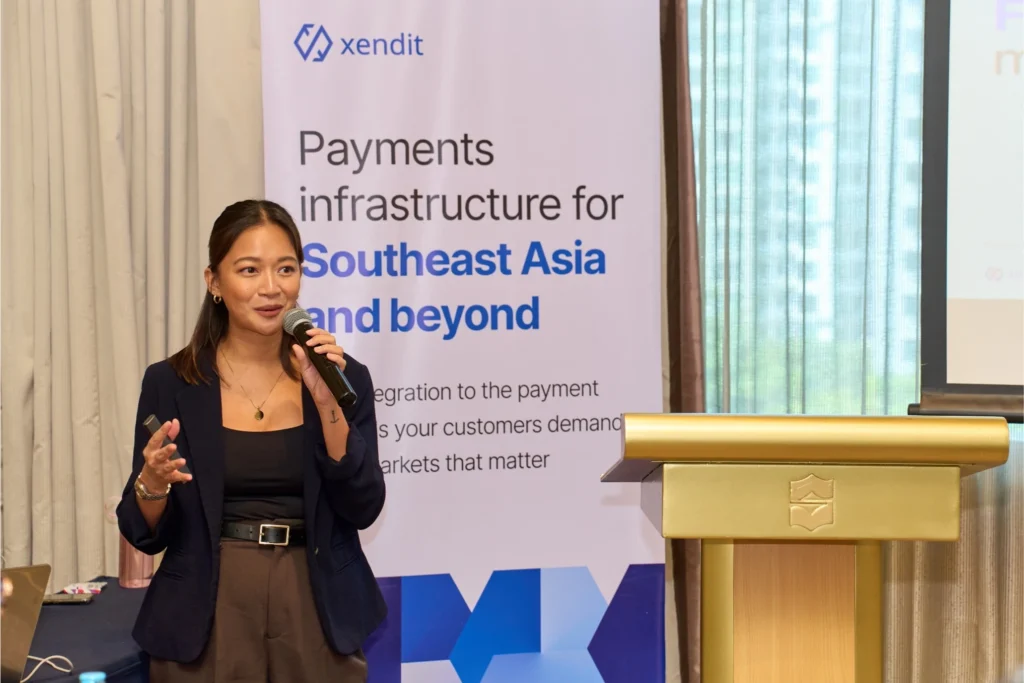
Xendit President Nazim Ali said businesses should offer the payment methods customers prefer while ensuring that each option remains secure.
The findings point to a two-track challenge for Philippine ecommerce: merchants need to accommodate the continued use of COD while expanding digital payment choices, particularly as QR Ph and InstaPay gain traction. A checkout experience that supports customer preferences and protects transactions will become increasingly important as those habits evolve.