

PLDT Enterprise, together with PLDT and Smart, has deployed Starlink satellite connectivity in parts of Mindanao affected by a powerful earthquake, helping hospitals, emergency responders, command centers, and local communities maintain communications during recovery efforts.
The deployment covered affected areas in General Santos City and South Cotabato, where PLDT and Smart teams also assessed network infrastructure and worked with the Department of Information and Communications Technology (DICT) and local governments on restoration efforts.
Starlink fills connectivity gaps after the earthquake
PLDT Enterprise rolled out Starlink solutions in areas where conventional communications infrastructure was affected by the disaster.
The deployments supported critical facilities and emergency operations, including Malungon Sarangani Provincial Hospital, Alabel Sarangani Provincial Hospital, command centers, rescue operation centers, and emergency response and coordination sites.
Starlink’s satellite-based connectivity provides an alternative when terrestrial infrastructure is unavailable or difficult to restore, making it particularly useful in areas dealing with damaged infrastructure, power interruptions, or geographic constraints.
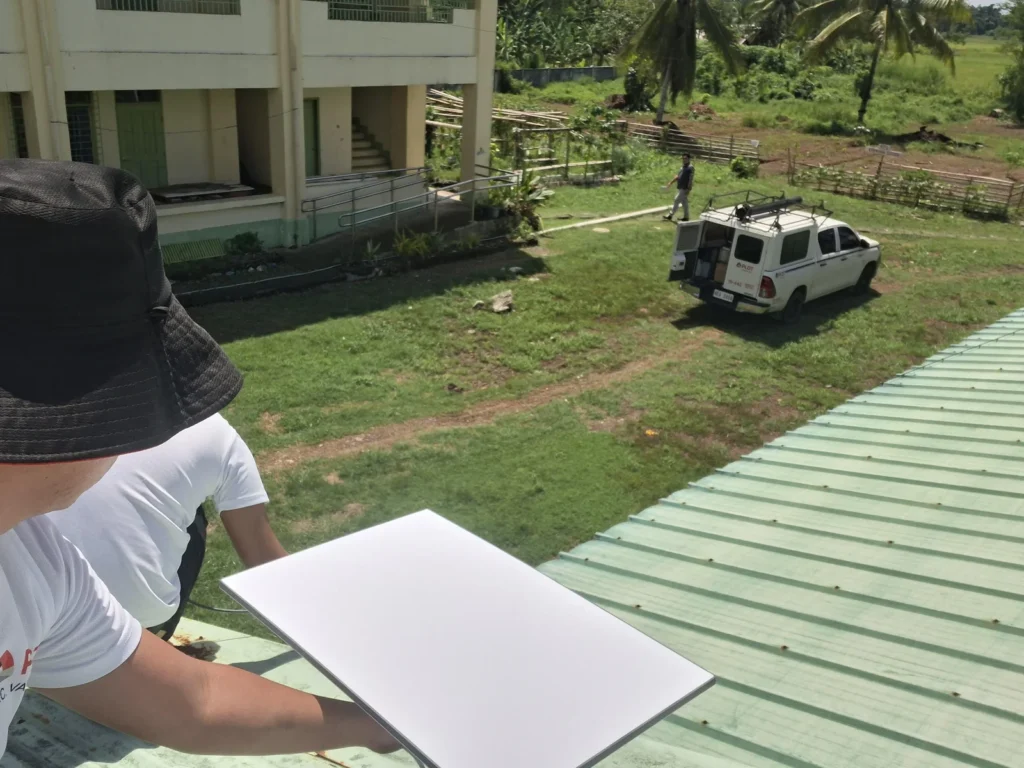

PLDT and Smart assess network infrastructure
Following the earthquake, PLDT and Smart immediately sent field and operations teams to affected locations to assess their network facilities and assist with restoration activities.
Initial assessments found that most PLDT and Smart network facilities remained stable and operational. Many of the reported service disruptions were instead linked to commercial power interruptions affecting specific sites.
The companies coordinated with DICT and local government units to identify connectivity requirements and determine where additional support was needed.
Satellite connectivity supports disaster response
The Mindanao deployment highlights how satellite broadband can complement conventional telecommunications infrastructure during emergencies.
For hospitals and emergency operations, maintaining a communications link can help personnel coordinate response activities, communicate with other agencies, and maintain access to essential digital services while local infrastructure is being restored.
“During emergencies, connectivity becomes deeply personal,” said Menardo “Butch” G. Jimenez Jr., Chief Operating Officer of PLDT. “It allows people to reach loved ones, enables responders to coordinate more effectively and helps communities begin the difficult work of rebuilding.”
PLDT Enterprise said its use of Starlink Satellite Broadband is part of a broader effort to provide connectivity that can be deployed quickly in locations facing disasters, outages, or limited telecommunications infrastructure.
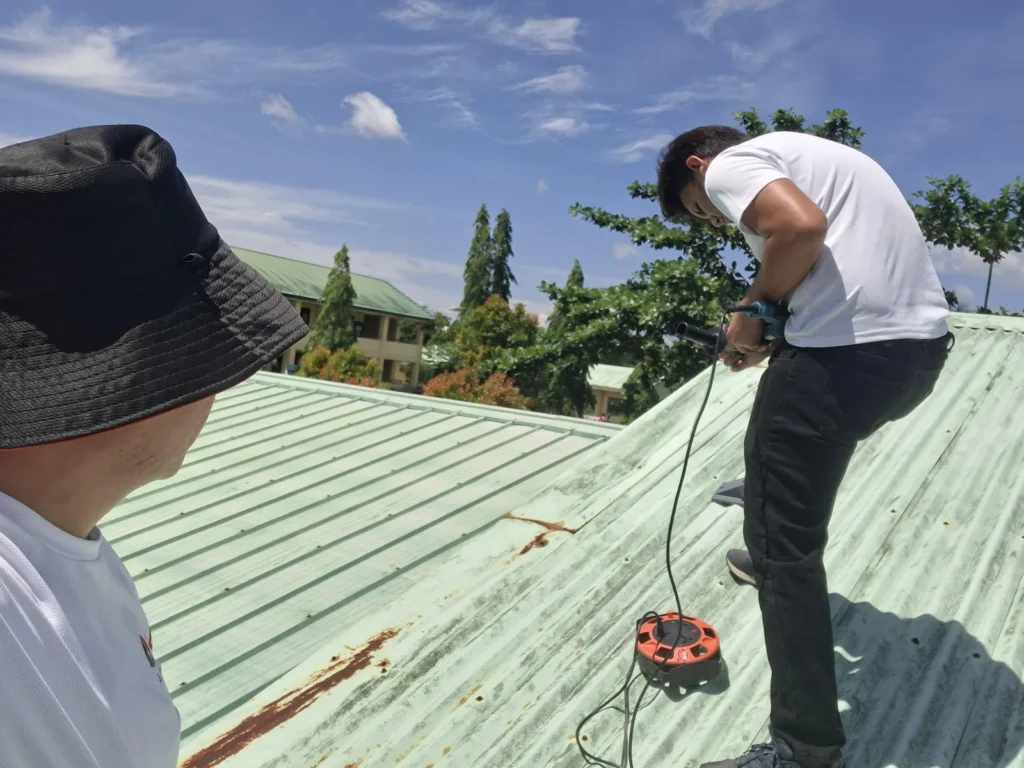
PLDT Enterprise positions connectivity as disaster-response infrastructure
For emergency responders, restoring communications is increasingly becoming part of the initial disaster response rather than simply a recovery-stage activity.
Blums Pineda, Senior Vice President and Head of Enterprise Business Group at PLDT Enterprise, described the company’s approach as supporting responders at the front line by getting teams on the ground to assess infrastructure, restore services, and provide temporary connectivity where necessary.
The Mindanao deployment demonstrates the role that a combination of fiber, mobile networks, and satellite connectivity can play during large-scale disruptions. Rather than relying on a single communications layer, emergency response can use multiple technologies to maintain links while damaged infrastructure is repaired.
As affected communities transition from immediate response to rebuilding, PLDT Enterprise, PLDT, and Smart will continue working with local partners to support connectivity in areas affected by the earthquake.