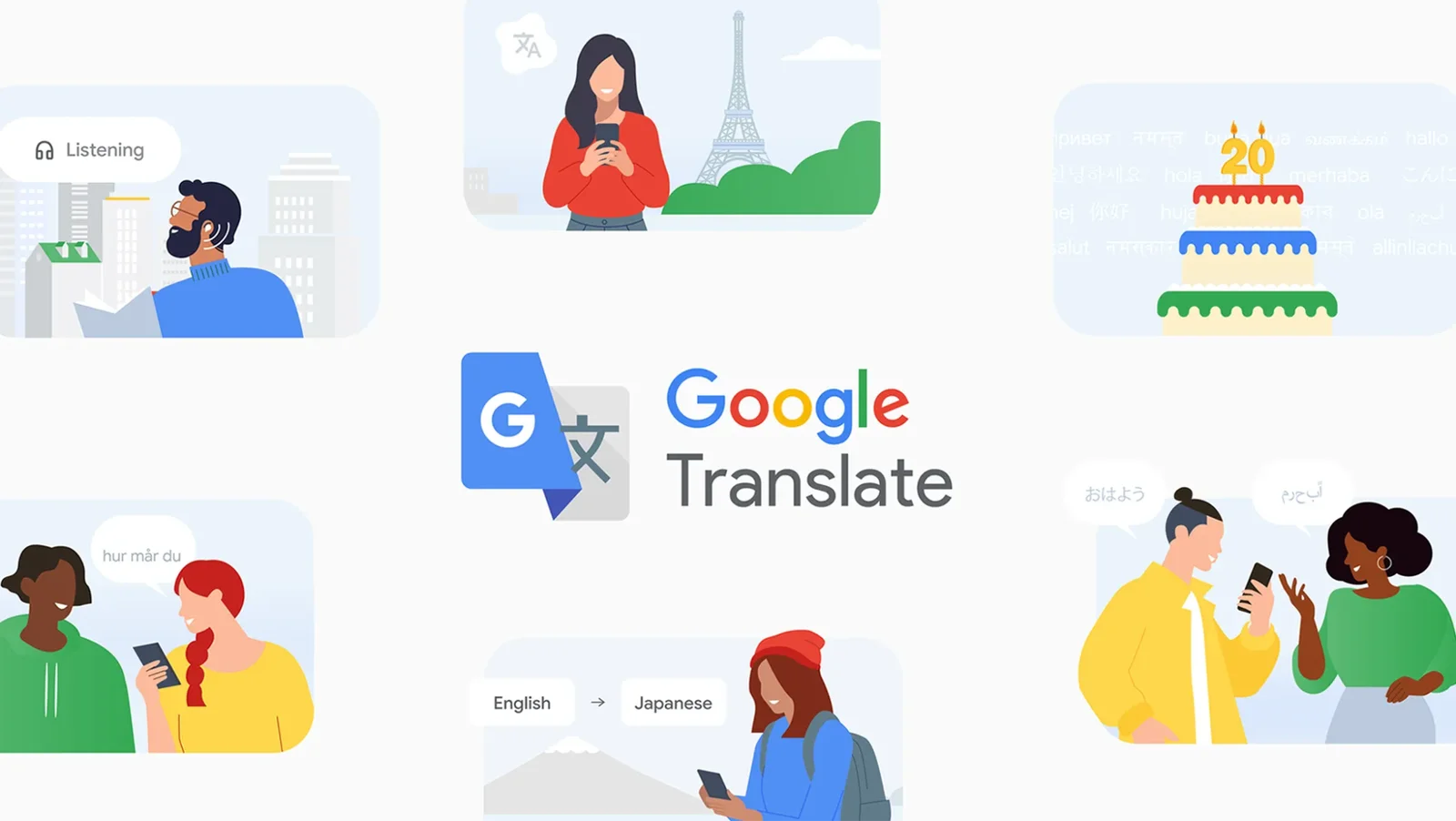
What started as a simple experiment has grown into one of the world’s most widely used communication tools. After two decades, Google Translate continues to reshape how people connect across cultures, now serving over a billion users every month.
From translating basic phrases to enabling real-time conversations, the platform reflects how far language technology—and AI—has come.
From machine learning roots to AI-powered conversations
Since its early days, Google has used Translate as a testing ground for machine learning. What began with statistical models has evolved into advanced AI systems capable of understanding nuance, tone, and context.
Today, features powered by Gemini allow:
- Real-time, audio-to-audio conversations
- More natural translations that capture slang and idioms
- Context-aware dialogue that feels closer to human speech
This shift marks a move from literal translation to meaningful communication.
A billion users, nearly 250 languages
Over the years, Google Translate has expanded its reach dramatically. It now has 1+ billion monthly users and supported nearly 250 languages, covering about 95% of the global population. Meanwhile, usage rises to 1 trillion words translated every month.

The platform also continues to support endangered and indigenous languages, reflecting a broader push toward inclusivity in tech.
New features focus on real-world communication
To mark its 20th anniversary, Google is highlighting newer tools designed to make language learning and usage more practical:
- Pronunciation Practice: AI-powered feedback helps users improve how they speak, not just what they say
- Live Translate: Real-time audio translation that preserves tone and delivery
- Offline Mode: Downloadable languages for travel without internet access
- Lens Translation: Instant camera-based translations for menus, signs, and more
- Circle to Translate: Quick translations directly from on-screen content
These features reflect a shift toward making translation seamless in everyday situations—from travel to content creation.
Beyond words: culture, slang, and expression
One of the biggest leaps in recent years is Translate’s ability to handle what used to be “untranslatable.”
With AI models like Gemini, the platform can now:
- Interpret slang and regional expressions
- Translate context-heavy phrases more accurately
- Even convert text into emojis for more playful communication
It’s also seeing growing interest in areas like sign language translation and Gen Alpha slang decoding, showing how language itself continues to evolve.
A tool for learning, not just translating
Beyond quick translations, many users now treat Google Translate as a learning companion:
- About one-third of mobile users use it to study languages
- Interactive speaking scenarios help build real-world confidence
- AI-powered goals track progress over time
This positions the app as both a utility and an educational tool.
Still built on a simple idea
Despite the scale and technology behind it, the mission remains straightforward: help people understand each other.
After 20 years, one phrase still tops the list as the most translated worldwide—“Thank you.”