Epson Philippines Corporation has partnered with WWF-Philippines to strengthen waste management systems in Pio Duran, Albay, addressing long-standing gaps in collection, recycling, and community practices.
The initiative, called the Pio Duran Waste Management Enhancement Project, focuses on practical, barangay-level solutions aimed at reducing plastic leakage into coastal and marine ecosystems.
Community-led waste systems improve daily collection
Pio Duran, located within the Ticao-Burias Pass Protected Seascape, plays a key role in safeguarding marine biodiversity and sustaining local livelihoods such as fishing and tourism.
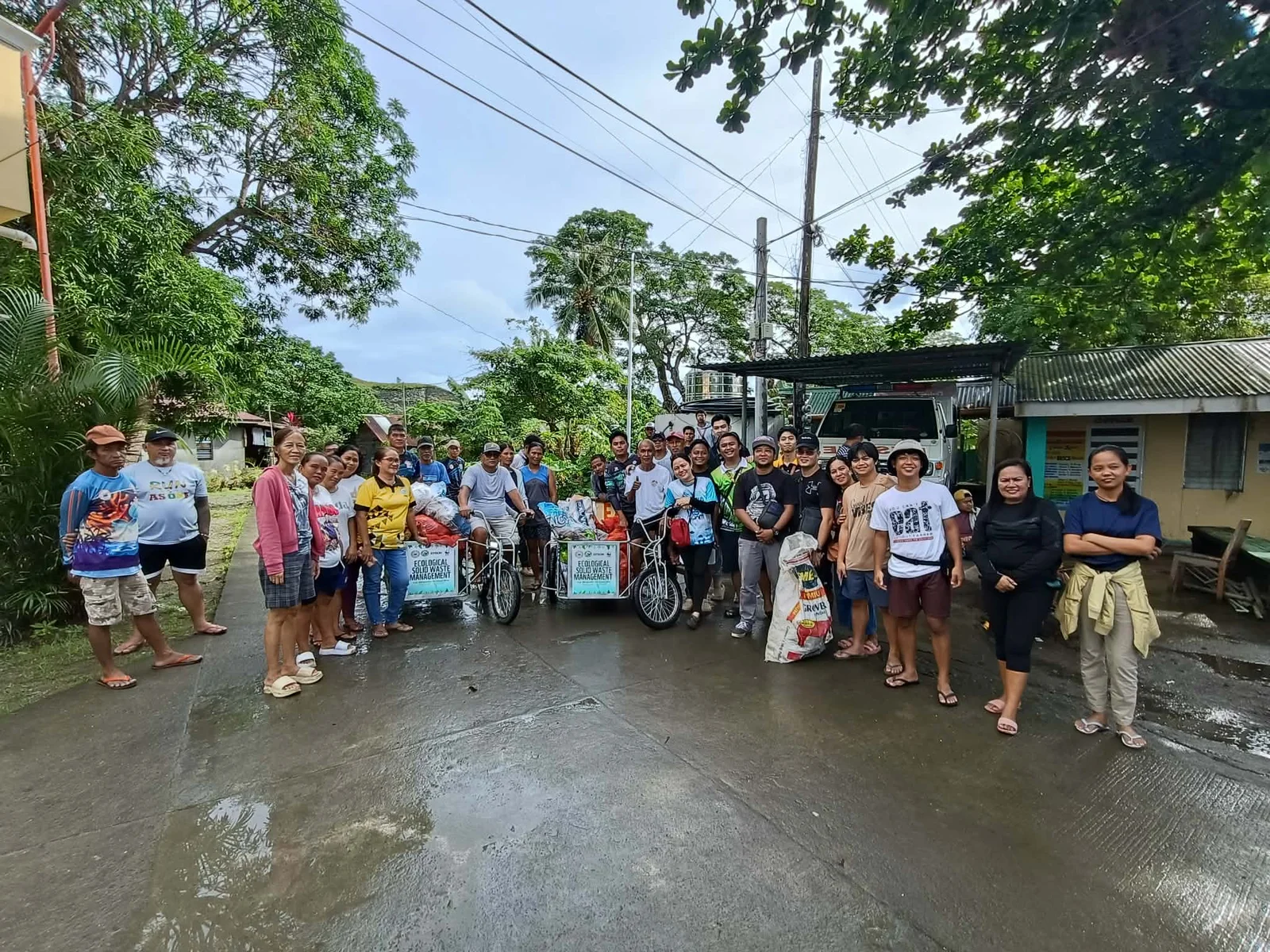
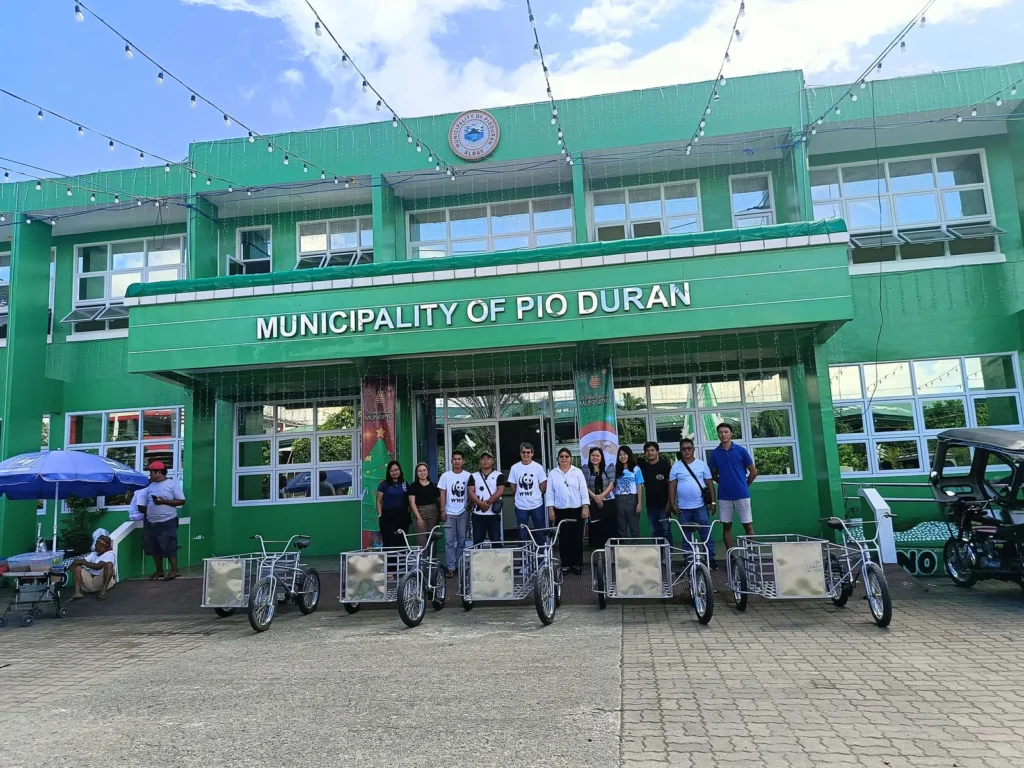
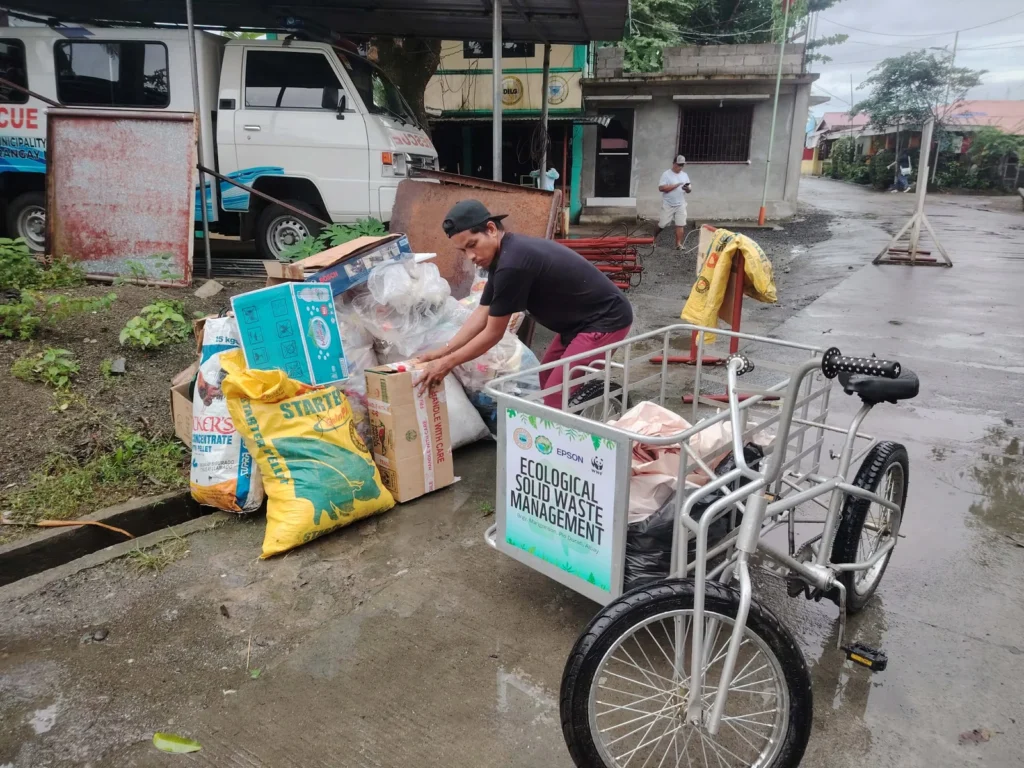
To improve waste collection, the project deployed five padyak collection units across three barangays. These units now support more consistent pickup, collecting an average of:
- 367.5 kg of mixed waste per week
- 132.5 kg of plastic waste per week
This addresses a critical issue in coastal communities, where inconsistent collection often leads to waste reaching waterways and mangrove areas.

Segregation and recycling infrastructure expanded
The initiative also introduced six segregation bins in high-traffic areas, including the municipal port and a mangrove ecotourism site. These collect up to 21 kg of waste weekly, helping reduce environmental leakage.
At the municipal level, recycling capabilities were upgraded with the addition of a plastic extruder, complementing an existing shredder. This allows plastic waste to be processed into usable materials like eco-bricks, reducing dependence on external disposal systems.
Training empowers local governments and waste workers
Beyond infrastructure, the project invested in capability building through a two-day training program involving 65 participants from 19 barangays.
The training focused on waste segregation and handling, planning and implementation, and long-term solid waste management strategies.
As a result, updated waste management plans are now in place to guide coordinated action over the next three years.
Cleanup drives reinforce community participation
Community engagement played a central role in the initiative. Two coastal cleanup drives in the Marigondon mangrove area mobilized around 100 volunteers, removing 205.9 kg of waste.
These activities not only cleared accumulated debris but also strengthened awareness of proper waste practices and shared environmental responsibility.
Local partnerships drive sustainable impact
The project reflects Epson’s broader “Engineered for Good” approach, which emphasizes practical innovation and long-term partnerships to address real-world challenges.
By working closely with WWF-Philippines and local government units, the initiative ensures that solutions are not only implemented, but sustained by the communities themselves.
As coastal activity and tourism continue to grow, strengthened waste systems like those in Pio Duran highlight the importance of localized, scalable approaches to environmental management in the Philippines.