The Fluidity of 4K 60fps in the V-Series
For the longest time, the V-series was the undisputed king of the selfie, but the vivo V70 5G is clearly eyeing a different throne. For the first time in this lineup, we are seeing the inclusion of 4K 60 fps video recording. If you have ever tried to film a high-energy dance performance at a festival or a fast-moving subject in the streets of BGC, you know that 30 fps just does not cut it. It feels stuttery, almost like the phone is struggling to keep up with reality. By jumping to 60 fps at a 4K resolution, vivo is finally offering Pro-Grade Cinematic Audio Video that matches the visual fidelity of much more expensive flagship devices. It is about more than just numbers on a spec sheet; it is about the “silky-smooth” motion that makes a video feel professional rather than amateur.
When you toggle that 4K 60 fps setting in the camera UI, the difference is immediate. The resolution provides enough detail to see the texture of the stage decorations, while the high frame rate ensures that every movement is fluid. For the mobile creator, this is a massive win. You can slow down 60 fps footage to 24 fps in post-production to get that dreamy, slow-motion look without the “ghosting” effects seen in lower frame rates. It allows you to capture the overall ambiance of a scene—the light flares, the drifting smoke, and the crowd movement—with a level of clarity that recreates the actual atmosphere of being there.
Sony LYT 700V and the Science of Light
Good video is nothing without a good sensor, and vivo did not cut corners here. The main camera features the Sony LYT 700V sensor, a 1/1.56″ powerhouse that brings Optical Image Stabilization (OIS) to the forefront. In the world of mobile sensors, size is the ultimate arbiter of quality. A 1/1.56″ sensor is significantly larger than what we usually see in mid-range shooters, meaning it can “gulp” in more light. This is critical for 4K 60 fps recording, which requires faster shutter speeds and, consequently, more light to keep the image from looking like a grain-filled mess. The “Lytia” branding from Sony signifies a focus on light intake, and it shows.
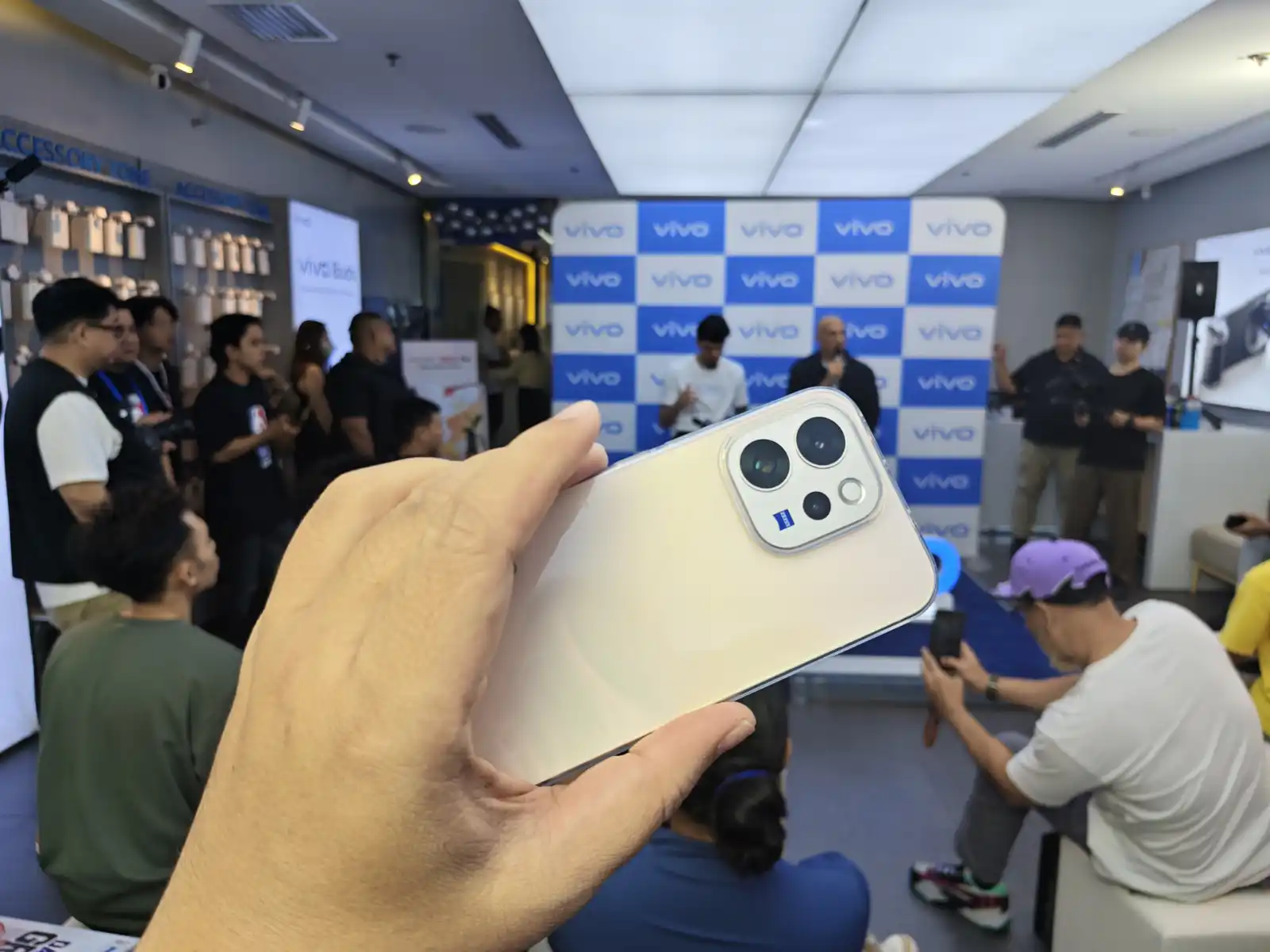
Supporting this is a flagship-grade 50 MP ZEISS Super Telephoto Camera. This is where things get interesting for the tech enthusiasts. The periscope structure allows for a large 1/1.95″ sensor to sit sideways inside the phone, using a prism to bend light. This is a massive sensor for a telephoto lens, usually reserved for “Ultra” flagships. For the consumer, this means you can zoom in on the main performer at a concert and still maintain incredible detail. You get Pro-Grade Cinematic Audio Video because the hardware can actually resolve the fine lines of a performer’s outfit or the sweat on their brow from the middle of the crowd. It bridges the gap between the “nosebleed” seats and the front row.
Silencing the Chaos: AI Audio Noise Eraser
We have all been there: you capture a perfect 4K clip of a wedding or a concert, only to play it back and hear nothing but the heavy breathing of the person next to you or the relentless whistling of the wind. Traditionally, this meant the video was destined for the “deleted” folder. The vivo V70 5G introduces the AI Audio Noise Eraser, and frankly, it feels like magic. Powered by AI-based audio separation algorithms, this tool doesn’t just lower the volume of the background; it actually identifies different sound types—voices, music, wind, and ambient noise—and lets you adjust them individually.

Imagine you are at a windy outdoor festival. The wind noise is usually a low-frequency rumble that ruins everything. With the V70, you go into your Albums, tap Edit, and use the Noise Eraser. You can slide the “Wind” parameter down to zero while keeping the “Music” and the “Voice” of the performer crisp and clear. This technology turns a ruined clip into a share-worthy piece of content. For vloggers who don’t always have a professional lapel mic handy, this is a life-saver. You are essentially getting a post-production audio suite inside your gallery app, further cementing the device’s ability to produce Pro-Grade Cinematic Audio Video without external gear.
A Professional Opinion on Mobile Storytelling
I have reviewed hundreds of phones, and I have grown quite cynical about “AI” features that claim to revolutionize our lives. Most of the time, they are just fancy filters. However, the AI Audio Noise Eraser is different because it solves a mechanical problem with software logic. I believe that for the average Filipino user who spends a lot of time in noisy, crowded environments, this is the most practical feature vivo has released in years. We live in a loud country. Between the jeepney roars and the karaoke sessions next door, getting clean audio is a constant battle.
In my view, the V70 is the first time the V-series feels like a legitimate tool for the serious mobile filmmaker rather than just a “lifestyle” accessory. When I tested the 4K 60 fps mode, I noticed that the thermal management was surprisingly robust. Usually, recording at these settings makes a phone hot enough to fry an egg, but the V70 stays relatively cool. If you are a creator, you know that reliability is everything. You need to know that your phone won’t shut down in the middle of a crucial shot. The combination of ZEISS optics and these new audio tools suggests that vivo is finally listening to what creators actually need: more control and less noise. The V70 provides Pro-Grade Cinematic Audio Video because it addresses the flaws of the environment, not just the pixels on the screen.
The Periscope Perspective and Depth Control
The use of a periscope structure for the 50 MP ZEISS Super Telephoto is a technical masterstroke for this price point. By folding the optics, vivo can include a lens with a longer focal length without making the phone as thick as a brick. This enables the ZEISS 85 mm Portrait mode, which is the “sweet spot” for human subjects. At 85 mm, you get a natural compression of features that is incredibly flattering, making people look like they stepped off a movie poster. This isn’t the fake, cut-out bokeh of cheaper phones; this is an optical depth-of-field effect that is enhanced, not created, by the AI.

For the readers, the benefit is clear: your photos and videos will have a “look” that stands out on a social media feed. When everyone else is posting flat, wide-angle shots, your 85 mm portraits or your 10x zoomed-in concert clips will have a sense of professional depth. This hardware-driven approach to Pro-Grade Cinematic Audio Video ensures that the clarity remains consistent. You aren’t fighting against digital artifacts or “mushy” textures. You are working with high-quality data from a flagship-grade sensor, and that makes all the difference when you start editing your footage for a vlog or a highlight reel.
Redefining the Front-Facing Experience
While the rear cameras are the stars of the show, the front camera hasn’t been ignored. The inclusion of AI Facial Contouring Technology and the GTR 2.0 AI Style Portrait system shows that vivo still cares about the selfie crowd. But again, the focus has shifted toward realism. Instead of just “whitening” or “blurring,” the new contouring tech understands the 3D structure of your face. It applies subtle highlights and shadows to make you look your best without looking like a plastic mannequin. It is a more mature approach to beauty, focusing on “style” rather than just “filters.”

For consumers, this means you can jump into a 4K vlog using the front camera and feel confident that you look natural. The AI handles the tricky lighting of a Manila sunset or the harsh fluorescents of a mall with grace. When you combine this with the AI Audio Noise Eraser, the V70 becomes a self-contained production studio. You can film your intro, capture your B-roll at 60 fps, and clean up the audio—all before you even get home. It is a streamlined workflow that respects the creator’s time and the viewer’s eyes. In an era where everyone is a content creator, the V70 gives you the technical edge to actually be a good one.
Priced starting at Php 31,999, the vivo V70 is now available for purchase in vivo stores nationwide or online via the vivo e-store, Shopee, Lazada, and TikTok Shop.