
The Geopolitical Chokehold on Local Pumps
The Middle East is sneezing, and the Philippines is catching a fever—specifically, a fever that manifests as a painful burning sensation in the wallet every time we pull up to a Shell or Petron station. It is March 2026, and despite all our talk about digital transformation, our physical movement remains stubbornly shackled to the volatility of global crude oil. When tension flares in the Strait of Hormuz, the price of a liter of premium fuel in Manila begins to look like a long-distance phone number. This reality is why Future Proofing Our Commute has moved from being a green-energy talking point to a survival strategy for the middle class. We are watching a masterclass in how fragile our mobility truly is when it depends on a single, finite resource controlled by geopolitical chess players.

The logistics chain in the Philippines is particularly sensitive to these shifts. When diesel prices spike, the cost of the tomatoes in your local palengke follows suit. This is because our entire transport network, from the massive cargo trucks to the humble jeepney, is powered by the same liquid gold. The current crisis has exposed a fundamental flaw in our national design: we have built a society that requires constant movement but provides no insulation against the rising cost of that movement. For the average Filipino commuter, the daily struggle is no longer just about the traffic on EDSA, but whether they can afford the “entry fee” to even be on that road.
The Hybrid Reality and the Range Anxiety Bridge
Hybrid Electric Vehicles (HEV) have long been the “safe” choice for those who want to save fuel without the panic of hunting for a charging station in the middle of a Quezon City downpour. The technology is elegant in its simplicity. You have an internal combustion engine (ICE) working in tandem with an electric motor and a small battery pack that charges itself through regenerative braking. You do not plug it in; you just drive. For the Filipino commuter, this means getting 22 to 25 kilometers per liter in stop-and-go traffic where a traditional car would struggle to hit 8. It is the perfect middle ground for Future Proofing Our Commute while our national grid catches up to our ambitions.
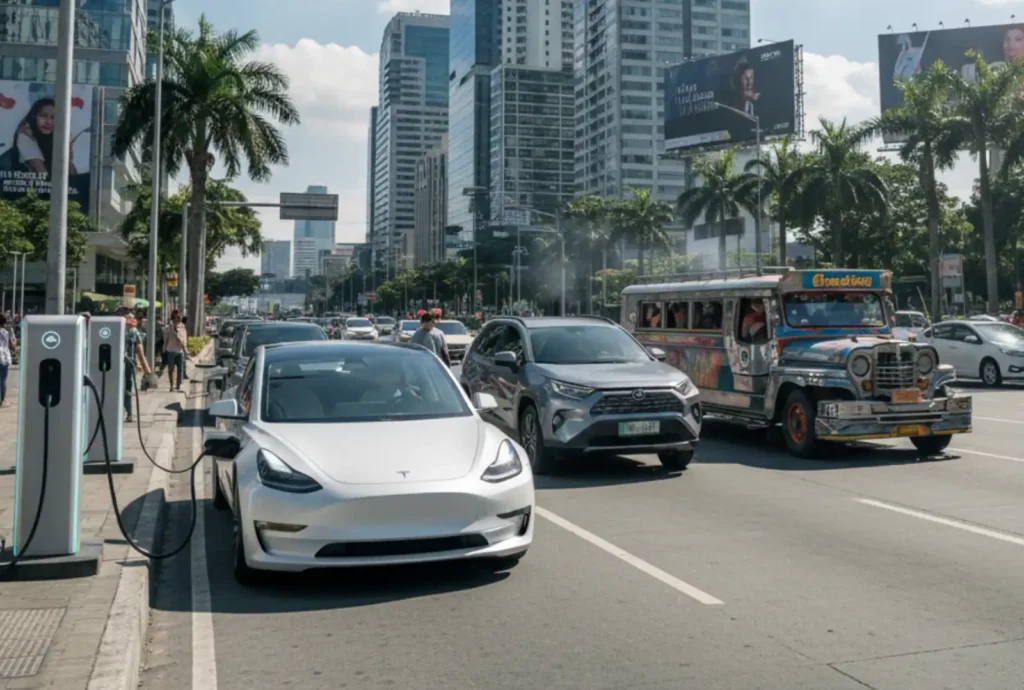
The beauty of the hybrid lies in its seamlessness. The computer decides when to use the battery and when to fire up the engine. In the crawl of a Monday morning rush hour, you are essentially a silent electric ghost, burning zero fuel while everyone around you is idling away their hard-earned pesos. It is a technological bridge that makes sense in a country where the charging infrastructure is still being built out. While hybrids still require gasoline, they use so much less of it that the sting of a ₱5.00 per liter hike is significantly dampened. It is a way to hedge your bets against a world that seems determined to keep oil prices in the stratosphere.

Plugging into the Full Electric Ecosystem
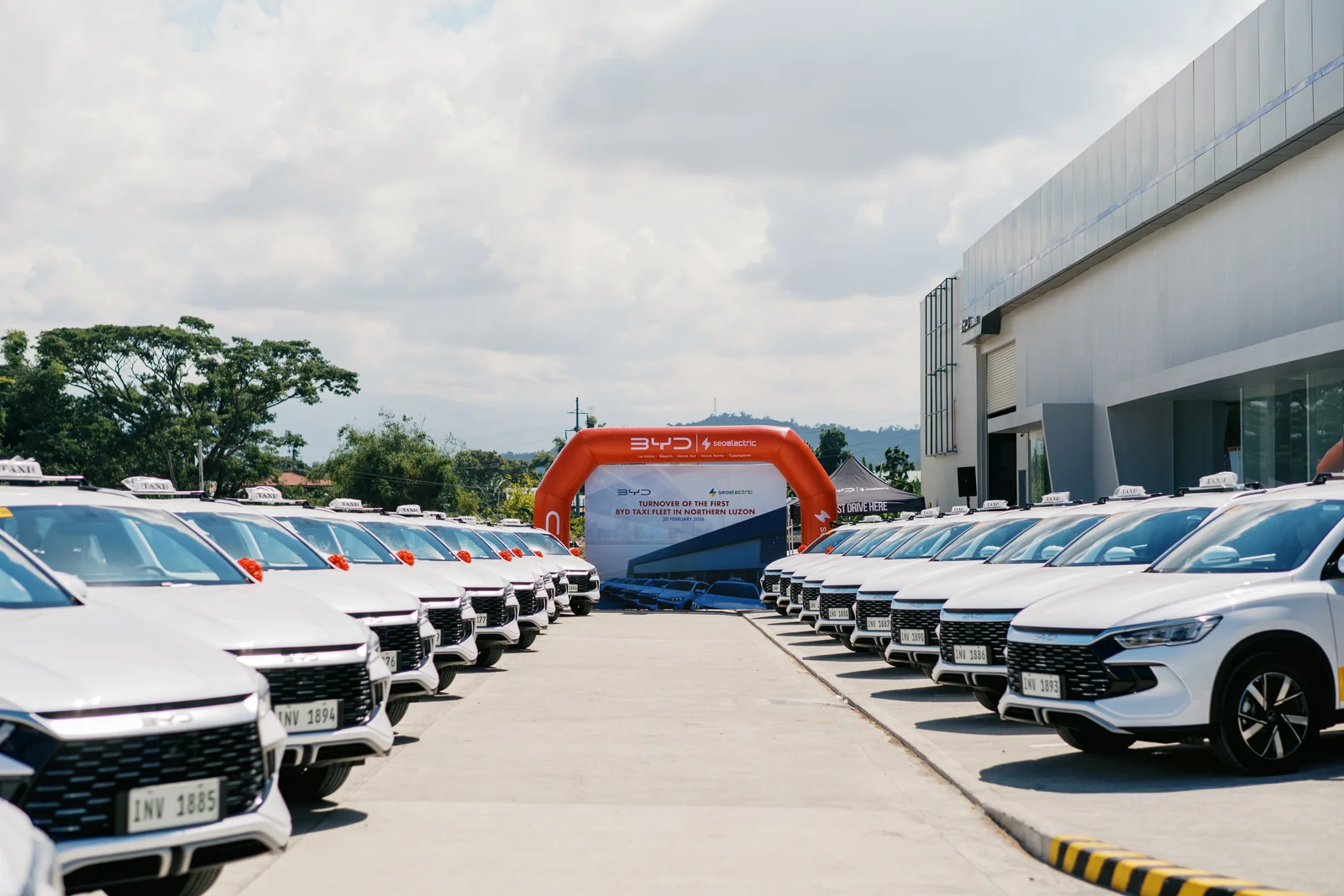
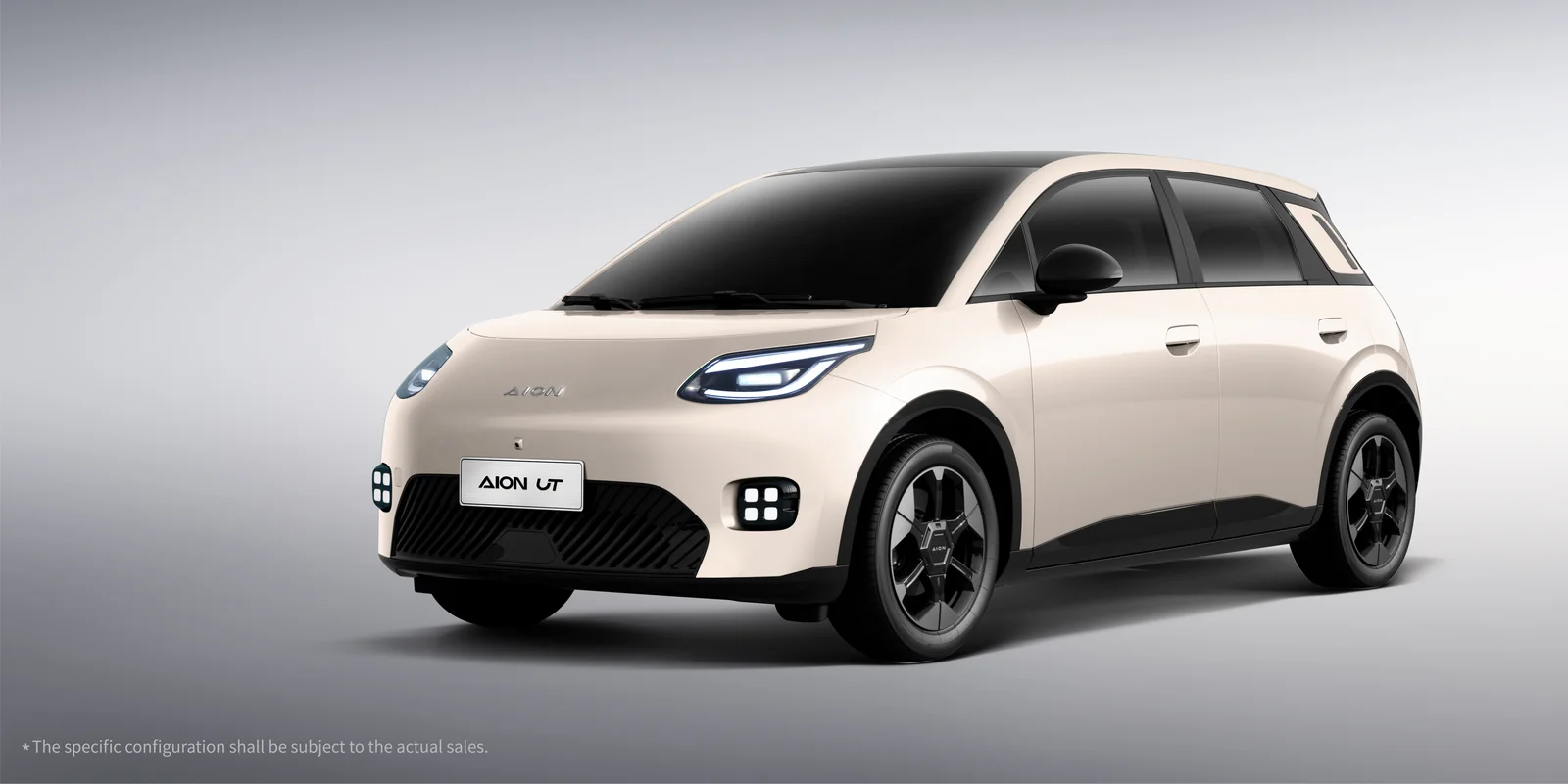
The transition to Battery Electric Vehicles (BEV) is no longer a hobby for the ultra-wealthy or people who live exclusively in BGC. We are seeing a flood of Chinese EV giants bringing the cost of entry down to levels that rival mid-sized sedans. The technology here is the real story. We are talking about silicon-carbon batteries and 800-volt architectures that allow a car to gain 200 kilometers of range in the time it takes to grab a quick lunch at an Ayala Mall. In 2026, the density of public charging stations has finally reached a point where a trip from Manila to Baguio is not a leap of faith but a routine drive. This is the cornerstone of Future Proofing Our Commute by completely decoupling our movement from the price of a barrel of Brent crude.
Operating an EV in the Philippines today is like having a secret discount code for life. While your neighbor is complaining about the fifth straight week of fuel price hikes, you are plugging in at home and paying a fraction of the cost per kilometer. The maintenance is another win. With no oil to change, no spark plugs to replace, and a fraction of the moving parts found in an ICE vehicle, the total cost of ownership over five years begins to look very attractive. The initial “sticker shock” of the purchase price is rapidly being offset by the massive savings at the “pump”—or rather, the plug.
Micro-Mobility and the Last-Mile Revolution
Not everyone needs a two-ton metal box to get to work. The rise of high-speed electric scooters and e-bikes is the most visible shift on our streets. These are not toys. Modern electric scooters now feature dual-motor setups, hydraulic brakes, and enough range to cover a round-trip from Alabang to Makati on a single charge that costs less than a piece of fried chicken. They are the ultimate solution to the “last-mile” problem. Yes, you might arrive at the office with a bit of “helmet hair” and a light sweat, but you will also arrive thirty minutes earlier than your colleagues stuck in the air-conditioned purgatory of a bus or a private car.
The technology in micro-mobility has matured at a staggering pace. We now have swappable battery systems and smart apps that track your carbon savings and battery health. For a young professional, an electric scooter is a ticket to freedom. It bypasses the congestion, ignores the oil crisis, and fits in a small corner of a condo unit. It is a localized solution to a global problem. When the price of oil dictates the terms of your day, the best way to win the game is to stop playing it. Switching to two wheels is an act of defiance against a system that has become too expensive for the average citizen to participate in comfortably.
My Take on the Shifting Tides
I have spent years reviewing the latest gadgets, from the smallest sensors to the largest EVs, and my perspective has shifted. We cannot afford to wait for gas prices to drop back to 2010 levels because they probably never will. Every time the Middle East erupts, we act surprised by the price hike at the pump. I believe it is time we stop being reactive and start being proactive about our energy independence. Buying a hybrid or an e-scooter is not just about being “eco-friendly” anymore—it is about economic defense. We are literally burning money to sit in traffic, and that is a habit we need to break.
When I look at the data, the numbers do not lie. The cost per kilometer of electricity is significantly lower and more stable than gasoline, especially with the Renewable Energy Act finally gaining traction. In my opinion, Future Proofing Our Commute is the only way to ensure that our mobility is not a casualty of a conflict happening five thousand miles away. We need to own our energy, or we will always be at the mercy of those who sell it. It might be a difficult transition for some, and the infrastructure is not perfect yet, but the alternative is to remain a hostage to the gas nozzle. Personally, I would rather bet on a battery than a barrel.