
The Electric Vehicle Association of the Philippines (EVAP) has installed a new Board of Directors, signaling a leadership transition at a time when electric vehicles (EVs) are gaining ground in the Philippine market. The new leadership takes over as EV adoption, infrastructure, and policy support continue to scale nationwide.
New EVAP leadership takes the helm
EVAP named Willy Tee Ten, president and CEO of Autohub Group, as its new president. He leads a board composed of key industry figures, including:
- Carla Buencamino (Vice President)
- Mark Rola (Corporate Secretary)
- Kevin Yao (Treasurer)
- Jojo Conde (Auditor)
EVAP founders Ferdinand Raquelsantos and Rommel Juan retain advisory roles, while outgoing president Edmund Araga moves into an ex-officio position.
The leadership shift comes as EVAP prepares to guide the industry through what it describes as a critical growth phase for electric mobility in the country.
Building on policy wins and industry momentum
The incoming board inherits a foundation shaped by key policy and industry milestones. These include the passage of Electric Vehicle Industry Development Act in 2022 and the rollout of the Comprehensive Roadmap for the Electric Vehicle Industry (CREVI).
Under Araga’s tenure, EVAP also helped establish the Asian Federation of Electric Vehicle Associations, strengthening regional collaboration on EV development.

These initiatives have contributed to a more structured policy environment, helping accelerate both private and public sector investments in EVs.
EV adoption surges as infrastructure expands
The Philippine EV market has grown rapidly in recent years:
- EV sales rose from under 1,000 units in 2022 to nearly 20,000 in 2025
- EVs accounted for around 7% of total vehicle sales in 2025
- Public charging stations increased from about 300 in 2023 to nearly 1,000 in 2025
Industry stakeholders now aim to scale charging infrastructure to over 7,000 stations by 2028, supporting broader adoption across urban and provincial areas.
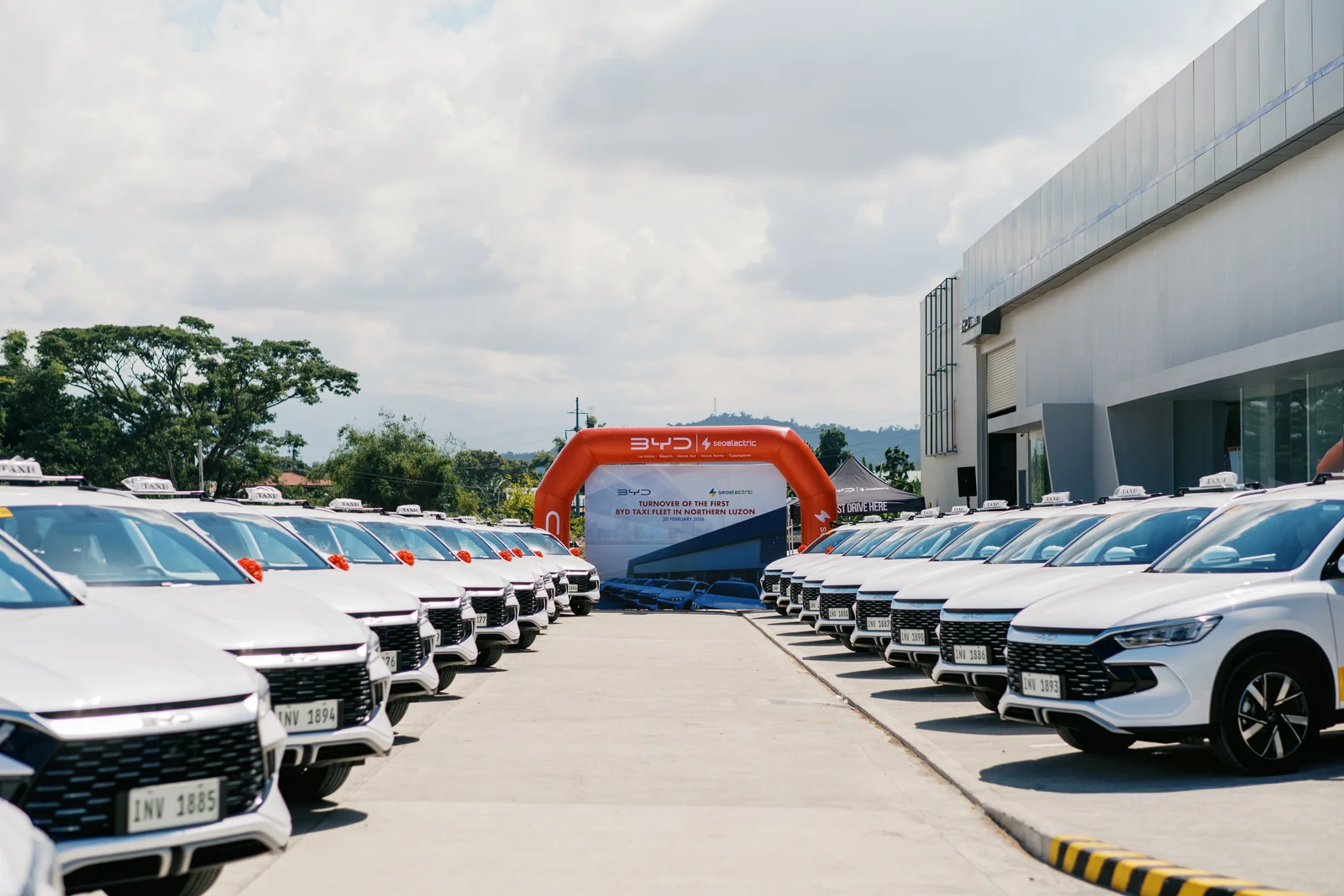
At the same time, developments such as EV taxi fleets and a lithium battery plant in Tarlac highlight the growing ecosystem around electric mobility.
What’s next for EVAP and the PH EV industry
EVAP’s new leadership takes charge as the organization pushes toward long-term targets, including:
- 50% EV share in new vehicle sales by 2040
- Around 6.6 million EVs on Philippine roads by 2030
With stronger policy backing, rising consumer interest, and expanding infrastructure, the group is positioning itself to play a central role in shaping the country’s transition to electric mobility.
As the industry moves from early adoption to broader mainstream acceptance, EVAP’s next phase will focus on scaling deployment, strengthening partnerships, and ensuring that EV growth remains sustainable and accessible for Filipino consumers.