
Gorriceta Africa Cauton & Saavedra and GoDigital Philippines brought government, industry and legal stakeholders together in Taguig City to discuss children’s online safety policy. The forum examined the proposed SAFE Kids and SMART KIDS Acts, including their implications for child protection, platform accountability and digital rights in the Philippines.
The event, titled “Safe Kids, Smart Policies: A Dialogue on Children’s Online Safety and Digital Rights,” explored House Bill No. 11566 and Senate Bill No. 2424. According to the organizers, the discussion considered how the measures could strengthen safeguards while raising questions about broad age-based restrictions, identity verification, privacy, freedom of expression and access to information.
Protection alongside digital rights
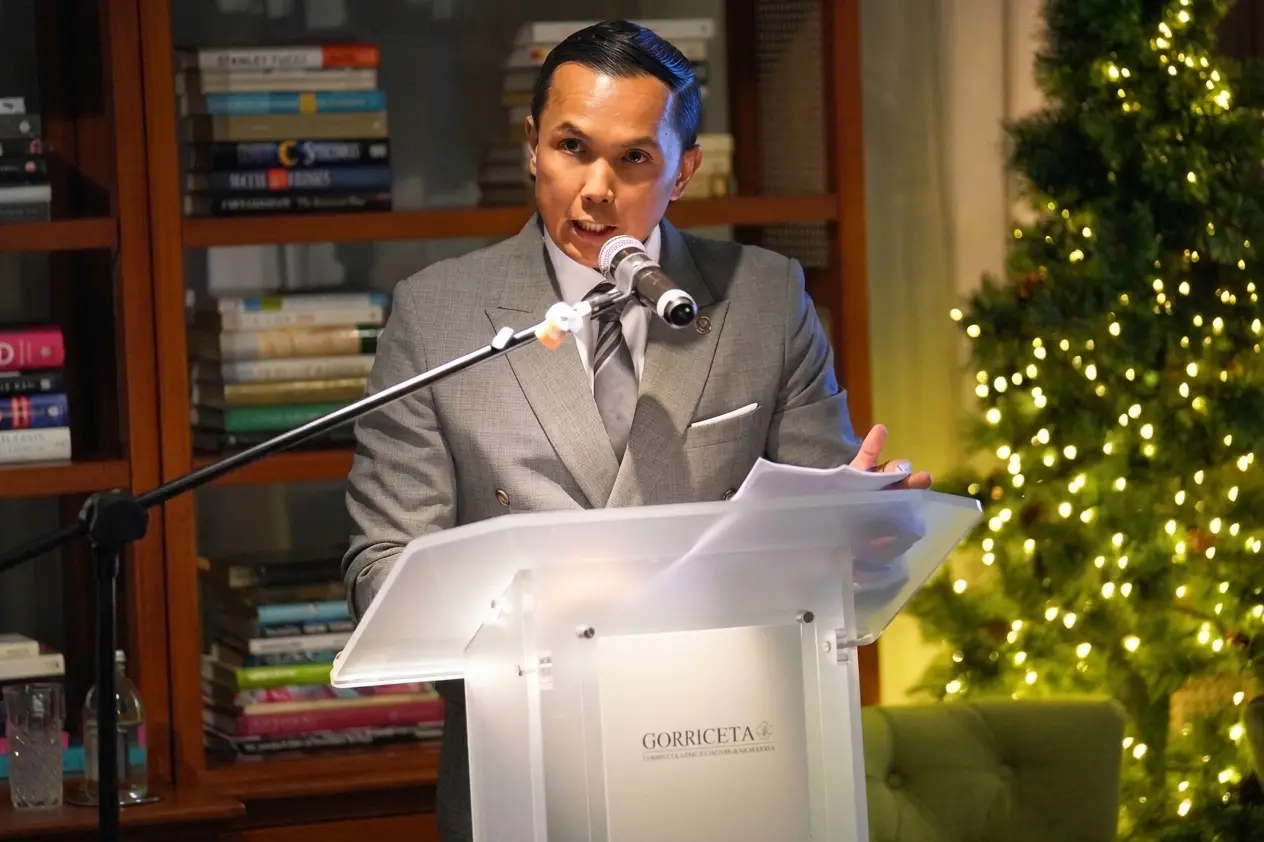
Atty. Mark S. Gorriceta, chairman and managing partner of the law firm and chairman of GoDigital Philippines, opened the discussion by calling for proportionate policies that are practical to implement and respectful of fundamental rights.
“Protecting children online is a responsibility we all share,” Gorriceta said. He added that effective legislation requires careful consideration of how safeguards would work, who would implement them, and how protection can avoid unnecessarily restricting expression, privacy and access to information.
“The goal should be policies that are clear, proportionate, enforceable, and workable,” he said.
The children’s online safety policy discussion also considered how restrictions on minors’ access to online platforms could affect legitimate digital participation. The organizers said participants examined different risks associated with digital services and the ways children use them, rather than considering intended protections alone.

Government and industry perspectives

Undersecretary Renato “Aboy” Paraiso, executive director of the Cybercrime Investigation and Coordinating Center, discussed cyberbullying, online sexual abuse and exploitation, and online grooming in his keynote address. He said stronger safeguards should be considered alongside children’s access to information and participation in digital spaces.
“The question is not simply whether children should be allowed or prohibited from accessing social media,” Paraiso said. He also highlighted the role of technology companies, platform accountability and stronger safeguards in addressing risks to children.
Kankan Ramos, chief operating officer of marketing and communications agency InvictusPH, offered an industry and parent perspective. Drawing on her experience as a mother and marketing professional, she discussed the role of digital platforms in learning, creativity, self-expression and social connection.
Ramos called for attention to transparency, data protection and responsible digital marketing as children encounter commercial content through creator videos, entertainment feeds and personalized recommendations. She emphasized protecting children while preserving the benefits they gain from digital spaces.
Verification and practical safeguards
The dialogue examined how age could be established reliably without unnecessary collection or exposure of personal information. According to the release, participants highlighted privacy-conscious age-assurance mechanisms and safeguards that avoid creating additional barriers to legitimate digital services.
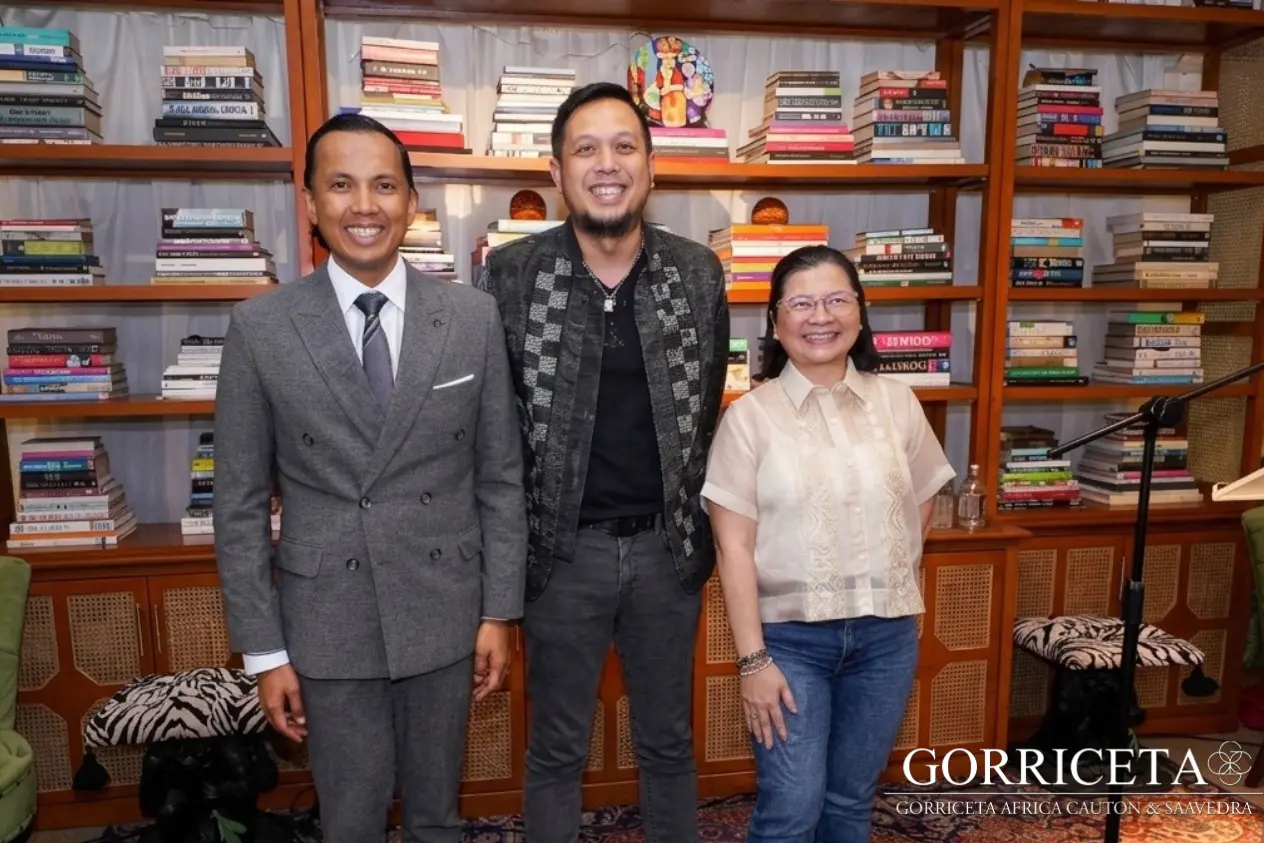
During the open forum, Gorriceta, partner Atty. Micaela Kristina V. Galvez and managing associate Atty. Luis Teodoro B. Pascua addressed questions about the proposed legislation and its implications for children’s online safety policy and digital rights.
The organizers said the initiative reaffirmed their commitment to informed discussion of effective and proportionate policies. Their release framed the dialogue around protecting children from digital risks while upholding privacy, fundamental freedoms and meaningful participation online.