

OPPO expands its sustainability efforts across packaging design, recycling systems, and community programs as it marks Earth Day 2026, reinforcing how smartphone brands are increasingly integrating environmental responsibility into product development and operations.
The company, which serves over 760 million users globally, reiterated its long-term goal of achieving carbon neutrality across its operations by 2050. The push comes as the tech industry faces growing pressure to reduce packaging waste, improve device longevity, and address the rising volume of electronic waste worldwide.
Packaging redesign moves toward lower environmental impact
OPPO continues to adjust how it designs and distributes product packaging, applying its “3R+1D” framework—reduction, recyclability, reusability, and degradability. The approach focuses on minimizing material use while shifting key product information from printed manuals to digital formats.
The move reflects a broader industry trend as manufacturers reduce paper dependency and explore alternative materials. OPPO said its digital documentation shift in 2025 alone significantly reduced paper consumption and associated carbon emissions.
The company is also testing biomass-based materials, including tea residue, as partial replacements for petroleum-based plastics. The goal is to reduce plastic usage while repurposing agricultural waste that would otherwise be discarded.

E-waste recycling and longer device lifespans
Electronic waste remains one of the fastest-growing environmental challenges globally, with United Nations estimates projecting continued increases through 2030. In response, OPPO is combining recycling programs with product durability improvements to extend device lifecycles.
The company operates recycling systems in multiple regions, encouraging users to return old devices for refurbishment or material recovery. In 2025, OPPO reported collecting over a thousand tons of used devices in China and Europe, alongside the rollout of new products.
This approach reflects a wider shift in the smartphone industry, where sustainability strategies now extend beyond recycling to include repairability, software support, and long-term usability.
Community partnerships expand environmental reach
Beyond product-level changes, OPPO is investing in environmental programs with local partners. One initiative in Kenya supports wildlife conservation efforts at the Ol Pejeta Conservancy, where researchers use smartphone imaging technology to track rhino populations through unique eye patterns.

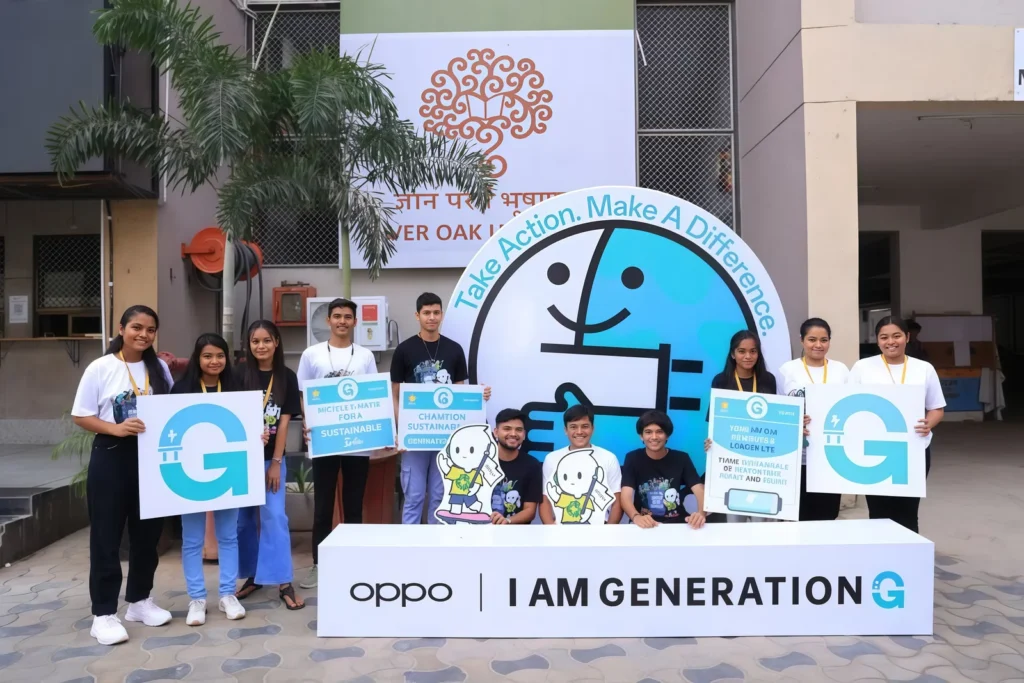
In India, OPPO’s Generation Green Initiative, developed with the All India Council for Technical Education (AICTE), mobilized thousands of interns and students to participate in e-waste collection and processing activities. The program also aimed to increase environmental awareness among younger users.
Sustainability becomes a core tech industry priority
OPPO’s Earth Day initiatives reflect a broader industry shift where sustainability is becoming a core part of product strategy rather than a standalone CSR effort. From packaging redesign to recycling infrastructure and field-level conservation work, tech companies are increasingly linking innovation with environmental responsibility.
As global e-waste volumes continue to rise, efforts like OPPO’s highlight how smartphone makers are being pushed to rethink not just how devices are built, but how they are used, returned, and reused over time.