Maya has backed the Department of Justice–Office of Cybercrime’s (DOJ–OOC) CyberReady Campus Tour at the University of the Philippines–Diliman, calling for government agencies, financial institutions, telecommunications companies and law enforcement to cooperate against digital scams.
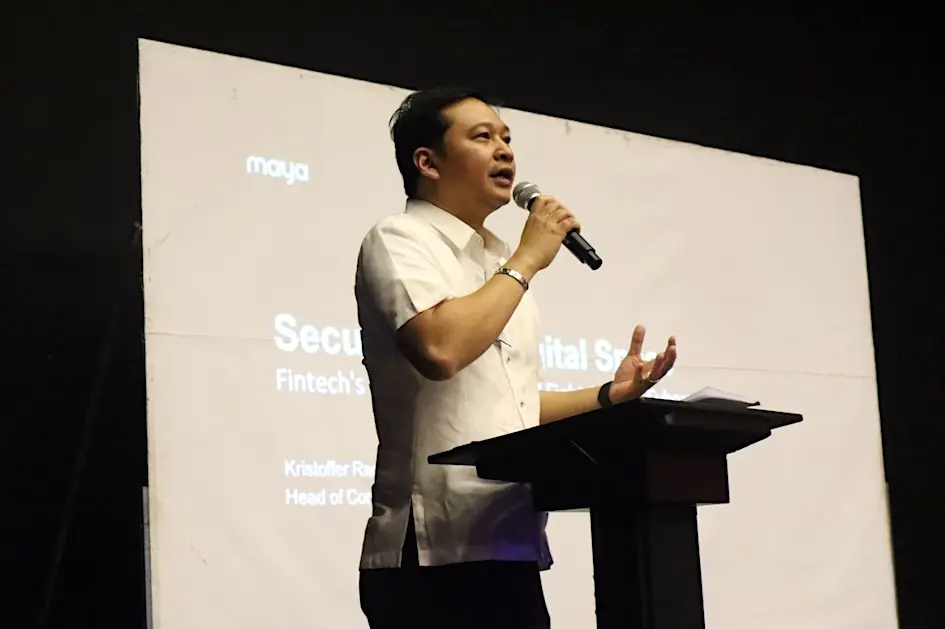
The Maya DOJ anti-scam drive focused on consumer awareness alongside coordination among institutions responding to financial cybercrime. Kristoffer Rada, Maya’s Head of Corporate Affairs, said consumer protection requires government and industry participation as well as responsible use of financial services.

“A safer digital space needs everyone around the table,” Rada said.
Rada pointed to the Anti-Financial Account Scamming Act (AFASA) and implementing regulations issued by the Bangko Sentral ng Pilipinas (BSP). According to Maya, these measures provide mechanisms for addressing suspicious transactions, coordinating verification across financial institutions and supporting financial-scam investigations.
“Laws and plans work when we can put them into practice,” Rada said.
Consumer education at UP Diliman
The DOJ–OOC organized the CyberReady Campus Tour seminar at UP Diliman with the university’s Office of the Vice Chancellor for Student Affairs and in collaboration with its Data Protection Office. The session was intended to help students and faculty identify online scams, protect personal information and respond to cyber threats.
At the event, Rada encouraged students to recognize common scam tactics, protect personal and financial information, and promote safer digital habits among their families and communities. The Maya DOJ anti-scam drive also reflects Maya’s participation in the Technical Working Group on Financial Cybercrime Concerns convened by the DOJ–OOC. The group includes the Department of Trade and Industry, BSP, National Telecommunications Commission, telecommunications companies and key financial institutions.
Maya said it supports anti-scam education through its Scam Patrol campaign and Financial Fitness Program, which cover fraud prevention, responsible financial behavior and the safe use of digital financial services. It also said it supports the Cybercrime Investigation and Coordinating Center’s Scam Safe initiative.

With the holiday shopping season approaching, Maya advised consumers to be wary of fake online promotions, suspicious links and fraudulent payment requests. It advised customers to verify sellers and payment instructions before sending money and not share passwords or one-time PINs (OTPs).
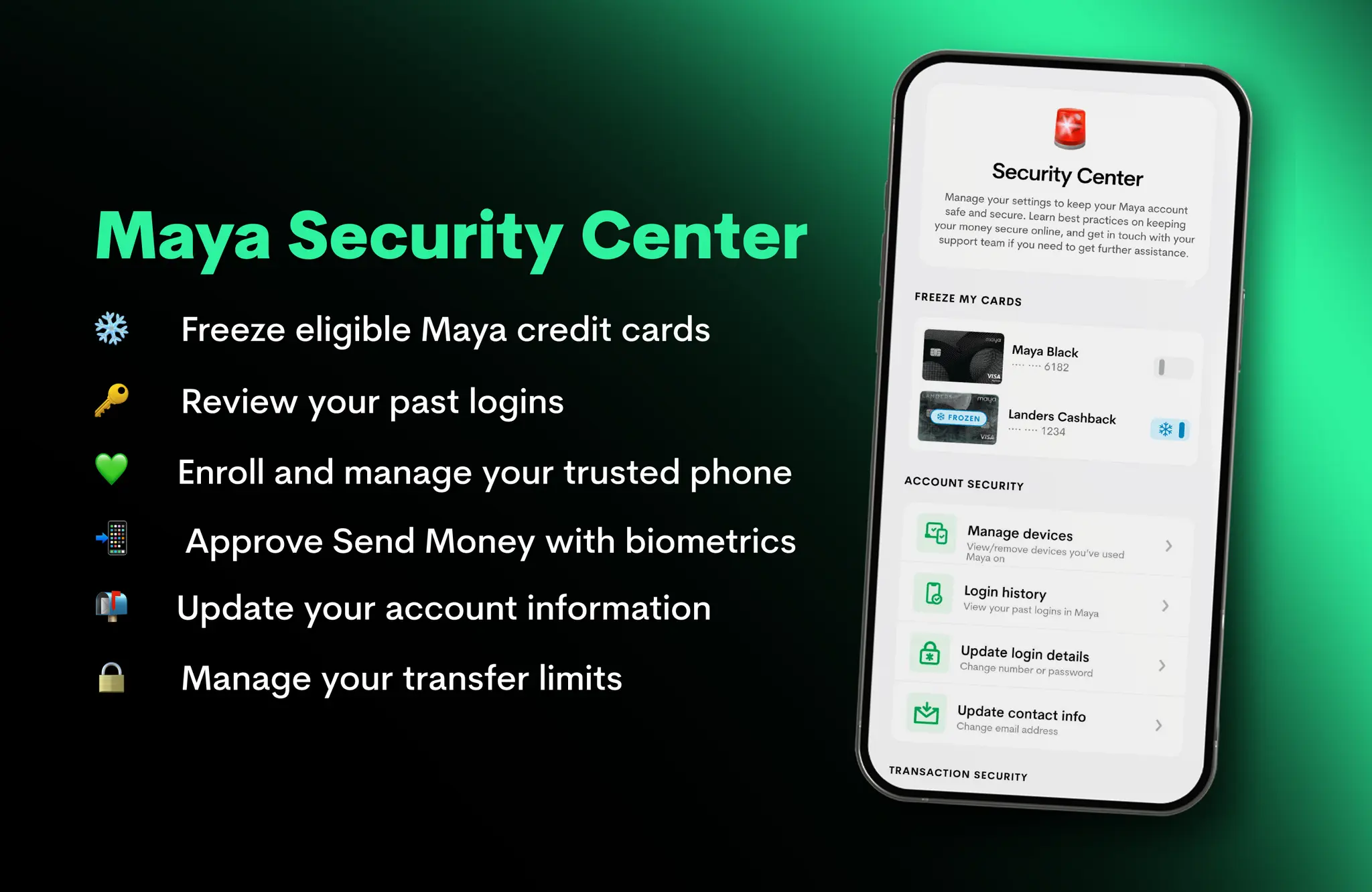
Maya said customers can use its Maya Security Center to review login history, set transfer limits and freeze eligible credit cards. The company said these functions can help users monitor account activity and act when they detect suspicious activity.
The Maya DOJ anti-scam drive frames anti-fraud protection as a shared responsibility among public institutions, industry participants and consumers. “We should not have to choose between greater financial access and stronger protection. The Philippines needs both,” Rada said.
Maya states that Maya Bank is a digital bank regulated by the BSP, with deposits insured by the Philippine Deposit Insurance Corporation up to P1 million per depositor.