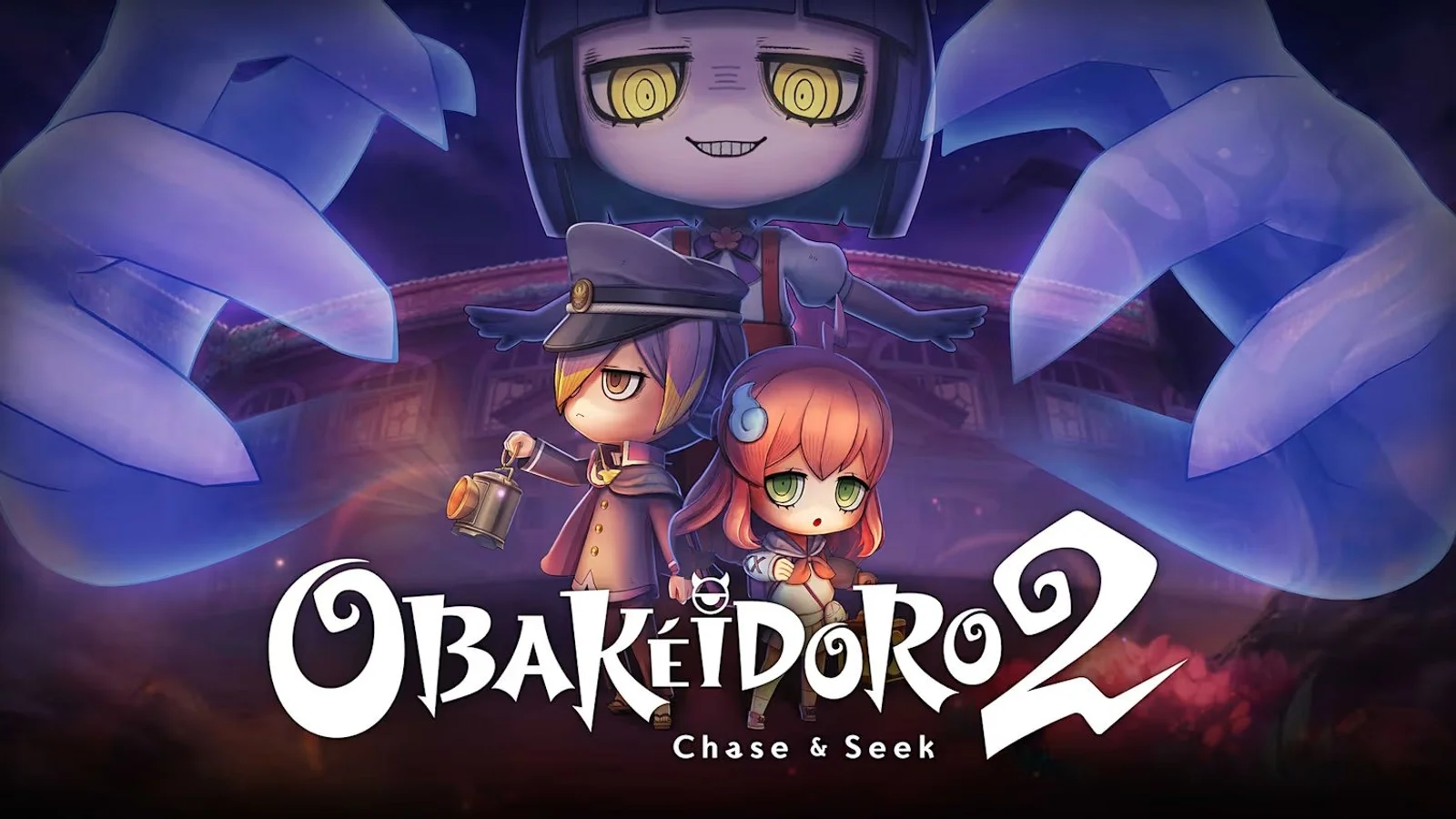
At first glance, Obakeidoro 2: Chase & Seek looks like a colorful multiplayer game built around cute characters. Once the three-minute timer starts, however, its simple game of supernatural tag quickly becomes a scramble of chases, rescues, stuns, and last-second escapes.
The Nintendo Switch game follows the asymmetrical multiplayer formula of its predecessor, Obakeidoro, also known as Bail or Jail, but puts a stronger emphasis on Japanese ghosts and urban legends.
Players are split into Humans and Monsters, with each side pursuing a different objective. Humans have to survive until time runs out, while Monsters need to capture the entire opposing team.
Three minutes, two very different roles
An online match supports up to eight players, divided into six Humans and two Monsters.
Each round lasts only three minutes. Humans win if at least one player remains free when the timer expires, while Monsters immediately win once they capture every Human.
The short matches keep the game moving. There is little time to settle into a routine, especially when a teammate is captured and the remaining players have to decide whether to rescue them or continue running.

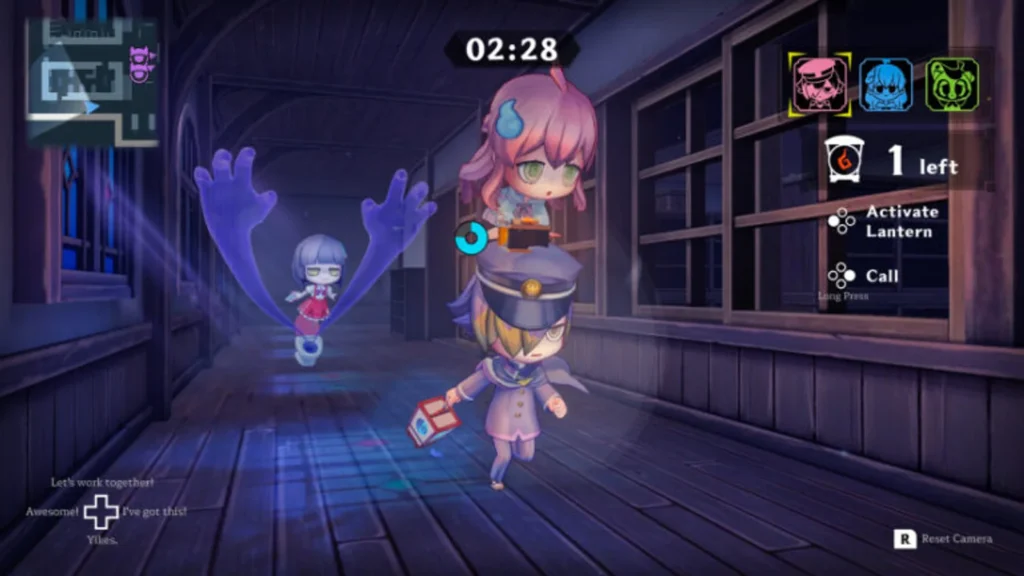
Captured Humans are placed inside cages. Teammates can free them by finding and activating two switches scattered around the map.
That rescue mechanic gives Humans another objective beyond simply staying alive, creating situations where players have to choose between hiding, escaping, or risking a rescue.
Lanterns give Humans a way to fight back
Humans aren’t completely defenseless.
Every Human carries a Lantern capable of stunning nearby Monsters. Lanterns have different combinations of Speed, Range, and Stun, giving players another layer of customization when choosing how they want to approach a match.
Character abilities add another variable.
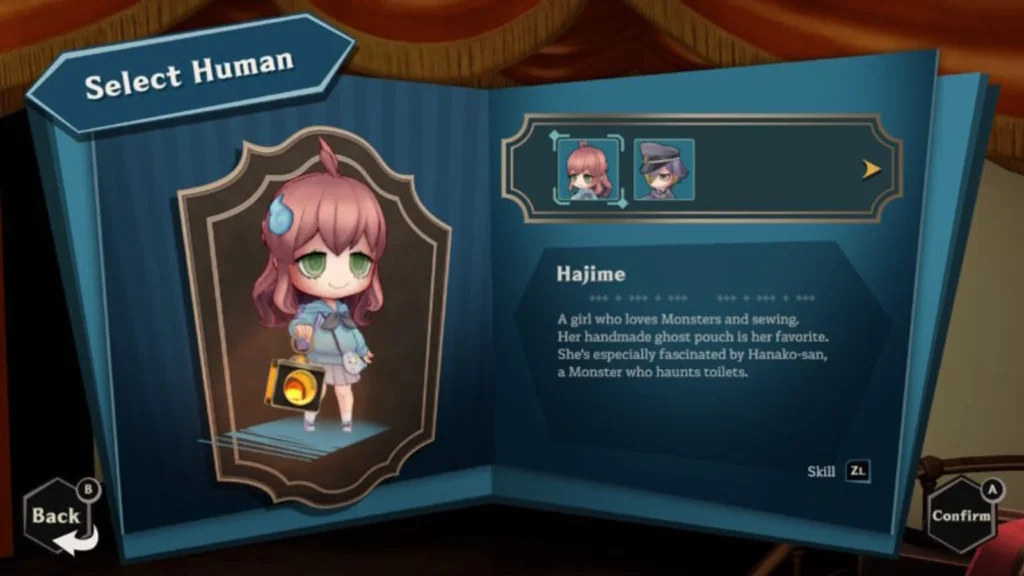
Some Humans gain speed when a Monster approaches, while others can reveal enemy positions on the minimap. These abilities can change how players approach both survival and rescues.
The result is a simple system with enough variation to prevent every Human match from becoming the same hide-and-run routine.
Monsters hunt with different strengths
Playing as a Monster reverses the objective. Instead of finding places to hide, players have to anticipate where Humans will move and cut off their escape routes.
Monsters have a standard Catch and a more powerful Super Catch. Under the right conditions, Super Catch can capture two Humans simultaneously.
Monster abilities also make the choice of character and map important.
Characters differ in Capture Range, Jump Height, and Wall Phasing, meaning some can take better advantage of particular environments.
For example, Hanako-san can move through walls, making her particularly useful around the corridors and obstacles of Delzo Academy. Red Cloak, meanwhile, relies more heavily on her high jump, which can be less useful in areas with low ceilings.
The game even displays Monster suitability before a stage begins, giving players information to consider before the match starts.
Other Monsters bring their own quirks. The Frog Monster, for instance, gains improved movement and jumping capabilities when using Super Catch on watery surfaces.
Online and offline multiplayer are both available
Obakeidoro 2 isn’t limited to online matchmaking.
Online play supports up to eight players and requires Nintendo Switch Online, while offline options include CPU-controlled characters, Local Party, and split-screen play.
Quick Match can also fill vacant slots with CPU players when matchmaking doesn’t produce a full lobby.
Progression comes through the game’s Lantern, Monster, and Badge shops. Players unlock additional items by reaching faction Ranks or completing specific conditions, while currency is earned through regular matches.
The game also uses Stamps as small objectives. These can include tasks such as capturing multiple Humans or winning as the Human side, with rewards including Titles, bonuses, and additional playable characters.
Cute presentation keeps the tension light
The game’s biggest distinction is arguably its presentation.
Rather than relying on traditionally frightening monsters, Obakeidoro 2 draws from Japanese ghost stories and urban legends. Characters include Hanako-san, Red Cloak, and Mary-san, but their colorful, chibi-inspired designs keep the game closer to playful supernatural chaos than outright horror.
That tone works alongside the short matches.
A Monster can still create plenty of pressure when it closes in, but the game never becomes so grim that losing a round feels particularly punishing. The three-minute format also makes failure easy to shrug off and queue up another match.
A simple formula with room for strategy
Obakeidoro 2: Chase & Seek succeeds by keeping its basic rules easy to understand while adding enough systems around them to make each match different.
Humans have to balance survival, rescues, Lantern selection, and character abilities. Monsters need to consider movement, capture abilities, map layouts, and which character best fits the stage.
That gives the game more depth than its colorful presentation initially suggests.
With additional characters and maps planned for future updates, the game also has room to expand its existing formula.
For players looking for a multiplayer game that can be picked up quickly without demanding a lengthy commitment, Obakeidoro 2 makes a strong case for the three-minute match. Its combination of Japanese folklore, asymmetrical roles, and quick rounds creates a lighter alternative to more serious multiplayer chase games—and one that can easily turn into another round before you realize it.