
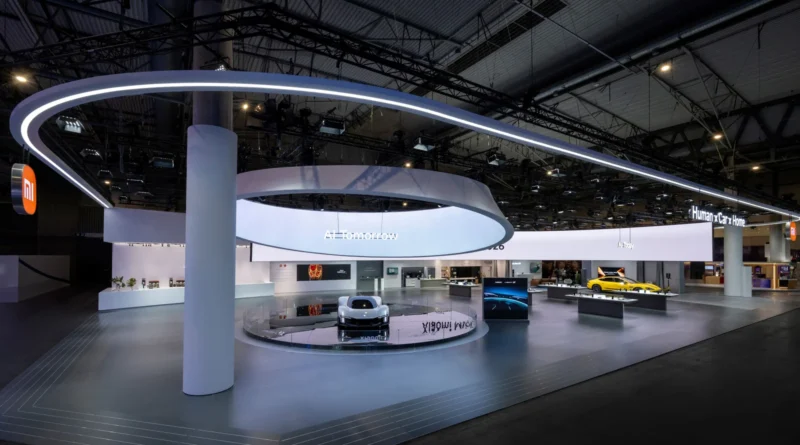
Xiaomi showcases AI-powered “Human × Car × Home” ecosystem at MWC 2026
At Mobile World Congress 2026 in Barcelona, Xiaomi highlighted the latest evolution of its “Human × Car × Home” ecosystem, showcasing how artificial intelligence is beginning to connect smartphones, vehicles, and smart home devices into a unified intelligent platform.
The company’s showcase focused on bringing AI beyond software features and into real-world environments. Through deeper device integration and new AI technologies, Xiaomi aims to create a system where devices across daily life can communicate, automate tasks, and adapt to user behavior.
“At Xiaomi, AI is designed to serve people in real life,” said Angus Ng. “Through our AI-powered Human × Car × Home smart ecosystem, we are extending intelligence beyond the screen and into everyday life.”
Xiaomi introduces Miloco AI for whole-home intelligence
One of the central technologies presented at the event is Xiaomi Miloco, short for Xiaomi Local Copilot. The system represents the first real-world deployment of the company’s self-developed foundation model, Xiaomi MiMo, designed to power large-scale smart home intelligence.
Unlike traditional rule-based smart home systems, Miloco integrates reasoning capabilities, multimodal perception, and behavioral learning to allow devices to interpret real-world contexts. The platform combines edge and cloud processing, allowing sensitive data to remain on-device while still enabling advanced AI capabilities.
In practical use cases, the system can automatically adjust lighting depending on activities such as reading or watching TV, detect clutter and activate robot vacuums, or regulate room temperature based on sleep patterns. Users can also interact with the system through natural conversation to trigger complex automation tasks.
Miloco also enables cross-device coordination within a home environment. For example, the AI can adjust lighting colors across multiple rooms to match a mood, recommend music through smart speakers based on emotional cues, or synchronize lighting with visual elements in the room.
Smartphones, vehicles, and AIoT devices expand the ecosystem
Xiaomi also presented a wide range of devices designed to operate within the ecosystem.
The lineup includes the Xiaomi 17 Series, alongside the Leica Leitz Phone powered by Xiaomi, highlighting the company’s ongoing collaboration with Leica Camera in mobile imaging and design.
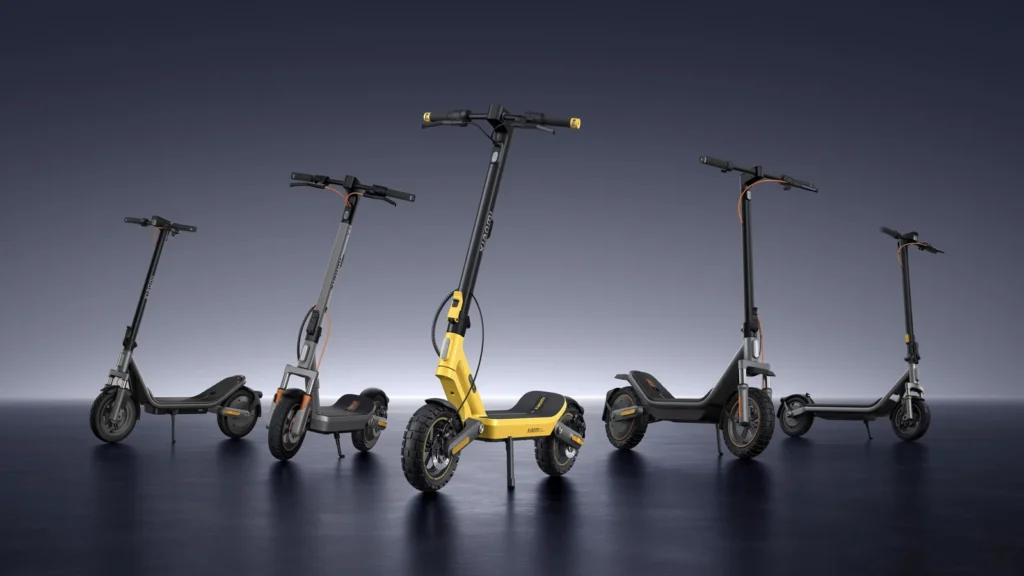
Beyond smartphones, the company showcased new AIoT products including the Xiaomi Electric Scooter 6 Series and a range of Mijia smart home appliances.
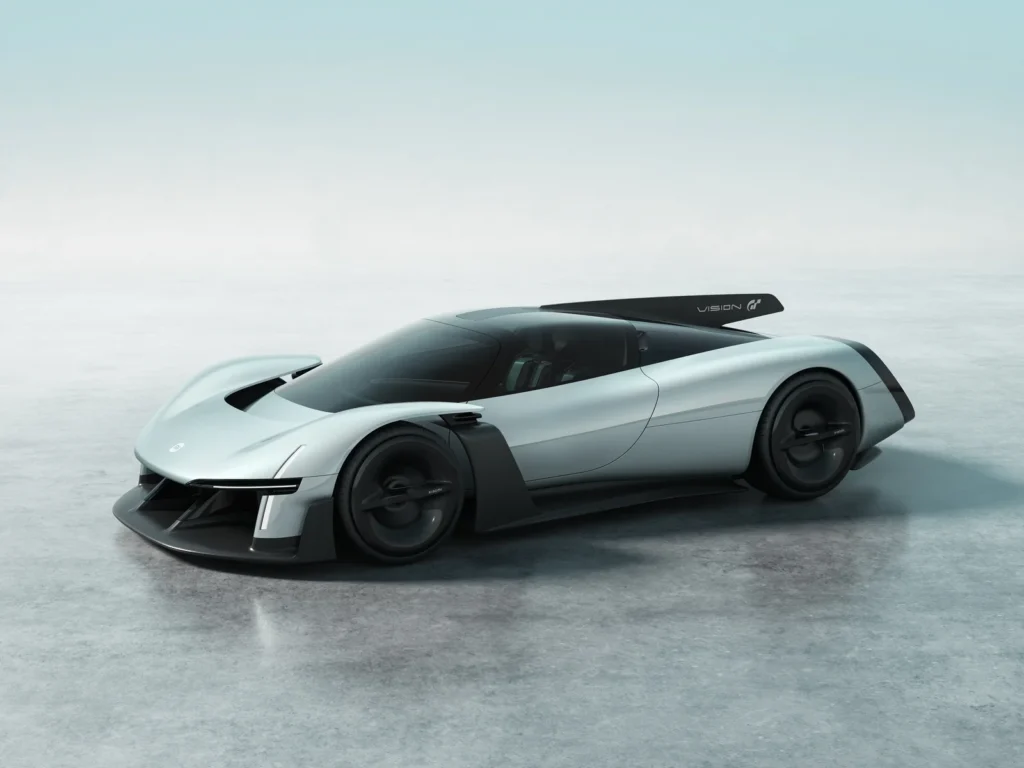
In mobility, Xiaomi continues to expand its presence in intelligent transportation with the Xiaomi SU7 Ultra, while also presenting the futuristic Xiaomi Vision Gran Turismo concept vehicle. Created in collaboration with Kazunori Yamauchi for the Gran Turismo franchise, the concept car made its first physical appearance at the event.
The vehicle features a teardrop-shaped cockpit, advanced aerodynamic channels, and an “Active Wake Control System,” reflecting Xiaomi’s design philosophy of “Sculpted by the Wind.”
Xiaomi deepens imaging partnership with Leica
Mobile imaging also remained a major focus of Xiaomi’s presence at the event. Since entering a strategic partnership with Leica Camera in 2022, the companies have continued to deepen their collaboration on smartphone cameras.
At MWC, Xiaomi unveiled the Xiaomi 17 Ultra for global markets, the first flagship developed under an upgraded strategic co-creation model between the two companies.
The device features a newly developed one-inch LOFIC main camera sensor and what Xiaomi describes as the industry’s first Leica APO-certified optical telephoto zoom lens for mobile devices. The system aims to deliver improved low-light performance, better detail retention in high-contrast scenes, and stronger telephoto capabilities.
The Leica Leitz Phone powered by Xiaomi further reflects the design influence of Leica cameras, incorporating a dual-tone back panel with a leather-textured finish inspired by the iconic Leica M Series cameras.
Expanding Xiaomi’s global smart appliance strategy
Beyond smartphones and vehicles, Xiaomi also used the event to highlight its growing presence in large home appliances.
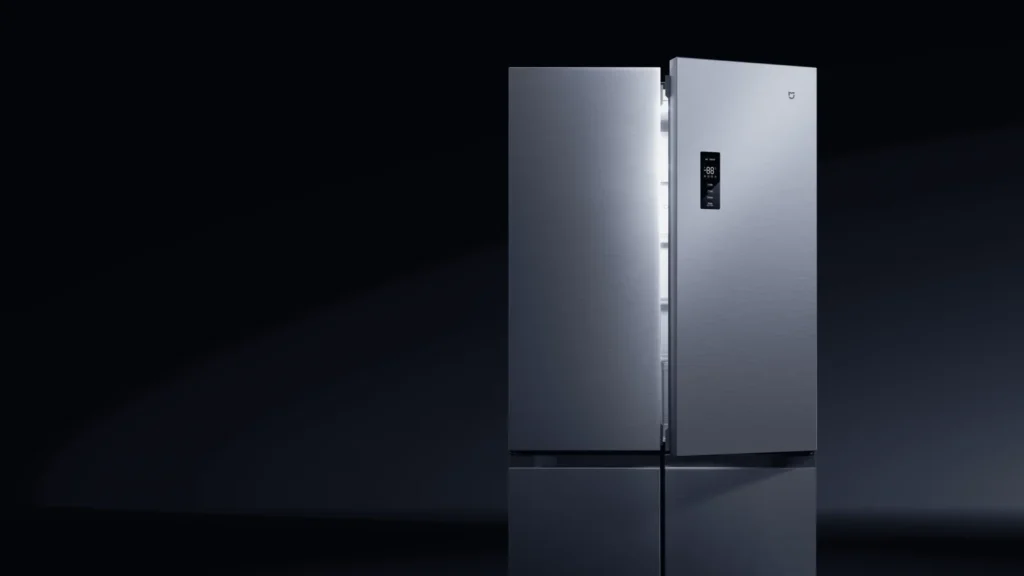
The company displayed a range of connected air conditioners, refrigerators, and washing machines designed to function as intelligent nodes within its ecosystem. These devices are built to work together through AI-driven coordination, allowing them to respond to household patterns and automate daily routines.
According to Xiaomi, its smart appliances are currently available across four major regions and 14 global markets, reflecting the company’s push to expand its smart living ecosystem internationally.
AI-driven manufacturing and sustainability initiatives
Xiaomi also highlighted its investments in intelligent manufacturing as part of its long-term strategy.
The company recently launched Phase One of its Smart Home Appliance Factory in Wuhan, joining its existing smartphone manufacturing facility and electric vehicle super factory. These production bases integrate automation, digitalization, and AI to improve manufacturing efficiency while reducing waste and energy consumption.
The company’s sustainability initiatives have earned global recognition, including an “A” ESG rating from MSCI, as well as inclusion in Forbes’ China ESG 50 list and its World’s Best Employers ranking.
Together, these developments underscore Xiaomi’s efforts to build a more integrated ecosystem where AI-powered devices, smart mobility, and connected homes operate as part of a single intelligent platform.