
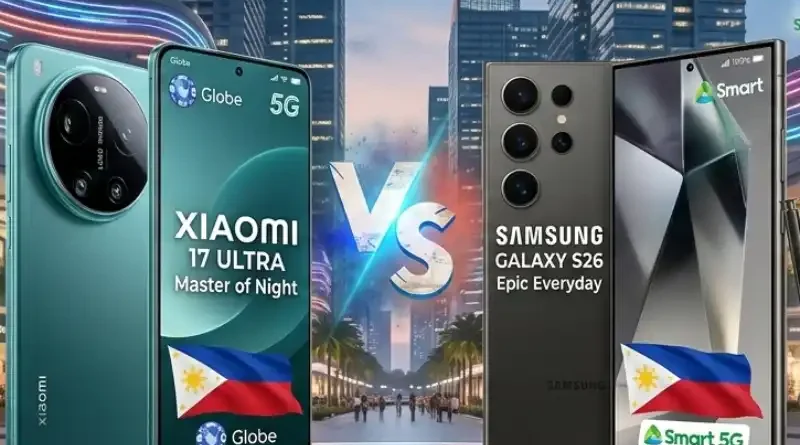
Xiaomi And Samsung Battle For The Flagship Crown
Xiaomi And Samsung Battle For The Flagship Crown
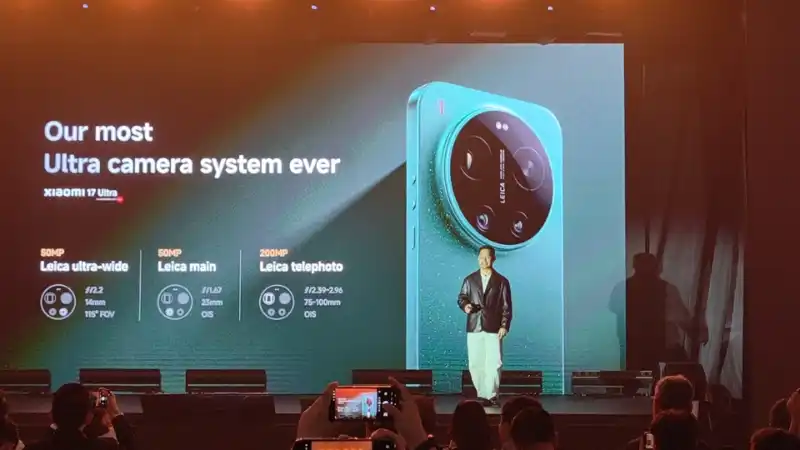
For users in the Philippines, the Xiaomi 17 Ultra (SRP ₱99,999) is the choice for photography purists, featuring a massive 1-inch Leica main sensor and 90W fast charging. Meanwhile, the Samsung Galaxy S26 Ultra (Expected ₱85,000+) remains the productivity king with its integrated S Pen, superior 7-year software support, and the exclusive Snapdragon 8 Elite for Galaxy chipset. Xiaomi And Samsung Battle For The Flagship Crown
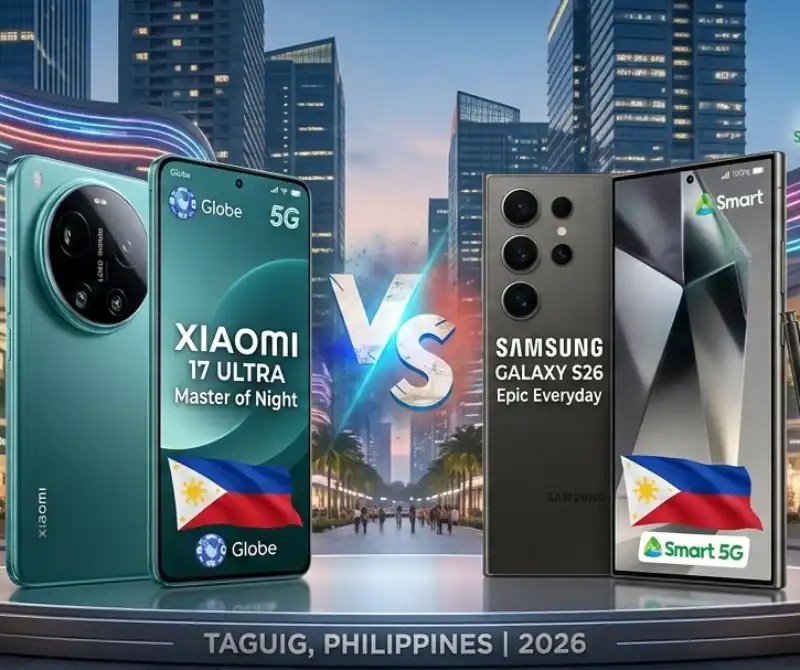
| Feature | Xiaomi 17 Ultra | Samsung Galaxy S26 Ultra |
| Display | 6.9-inch OLED (3500 nits) | 6.9-inch Dynamic AMOLED 2X |
| Processor | Snapdragon 8 Elite Gen 5 | Snapdragon 8 Elite “for Galaxy” |
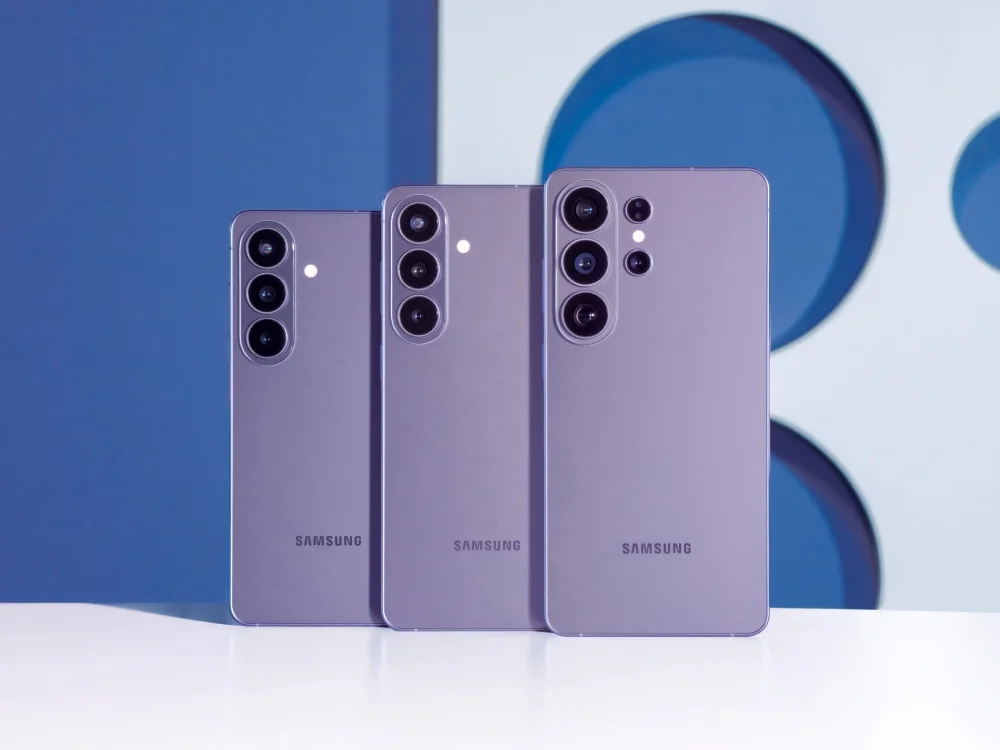
| Main Camera | 50MP (1-inch Leica optics) | 200MP (ISOCELL HP2 sensor) |
| Telephoto | 200MP (3.2x – 4.3x Zoom) | 50MP + 10MP (Dual Zoom) |
| Battery / Charge | 6000mAh / 90W Wired | 5000mAh / 60W Wired |
| PH Price (SRP) | ₱99,999 | TBA (Est. ₱85,000+) |
Silicon Architecture and Thermal Realities
When we examine the logic boards of these two monolithic devices, we are looking at the pinnacle of modern mobile computing. Both manufacturers have sourced their silicon from Qualcomm, but the implementation is fundamentally different. The Xiaomi 17 Ultra relies on the standard Snapdragon 8 Elite Gen 5. This chip is an absolute powerhouse, leveraging TSMC’s latest fabrication node to push clock speeds higher than we have ever seen in a commercial mobile format. It is designed for brute force.
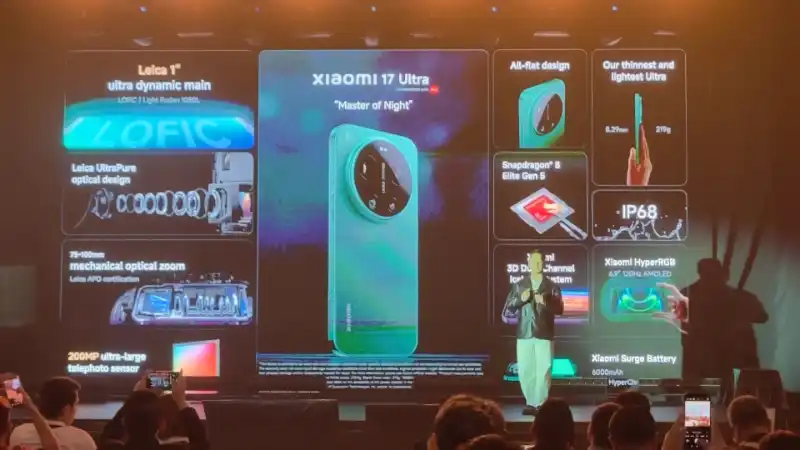
Samsung takes a more tailored approach. The Snapdragon 8 Elite “for Galaxy” features an overclocked prime core and an optimized Neural Processing Unit specifically tuned for Samsung’s proprietary AI layer. However, raw clock speed means absolutely nothing if the device throttles after ten minutes in the Philippine heat. This is where thermal architecture dictates the victor. Xiaomi utilizes a massive dual-channel vapor chamber that covers both the SoC and the battery charging IC. Samsung relies on a more traditional graphite and copper vapor chamber setup that leans heavily on software throttling to maintain comfortable surface temperatures. If you are rendering 8K video files or pushing maximum frame rates in heavy titles like Genshin Impact while sitting in a cafe in Metro Manila, the thermal mass of the Xiaomi will sustain peak performance slightly longer before the physics of heat dissipation force a clock speed reduction.
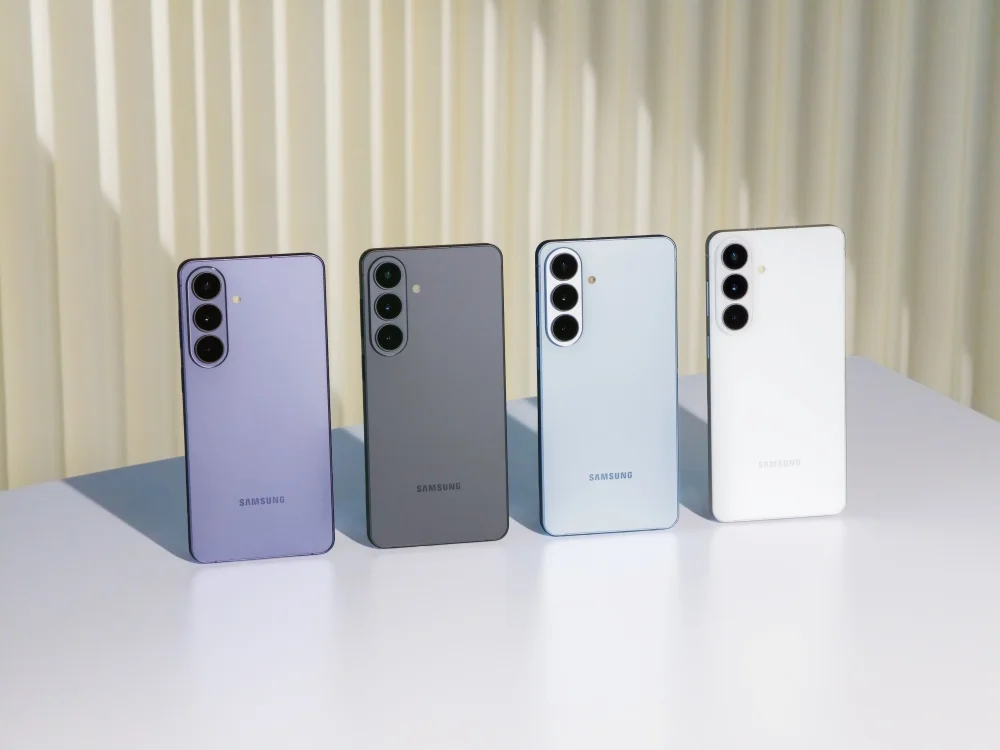
The Camera Philosophies: Optical Purity vs Artificial Intelligence
This is the battlefield where these two devices fundamentally diverge. Xiaomi, continuing its deep integration with Leica, approaches mobile photography like a traditional camera manufacturer. The 17 Ultra utilizes a massive 1-inch type sensor. In the realm of optics, physics cannot be cheated. A larger sensor gathers vastly more photons, yielding a natural depth of field and superior dynamic range without relying on aggressive software sharpening. The lenses feature physical variable apertures and Leica’s proprietary T-star coating to virtually eliminate lens flare.
Samsung approaches imaging as a software engineering problem. The Galaxy S26 Ultra utilizes a 200MP ISOCELL HP2 sensor. Instead of relying purely on lens glass, Samsung uses complex 16-in-1 pixel binning. It takes massive amounts of data from those tiny pixels and runs it through an incredibly sophisticated image signal processor. The result is unparalleled zoom capability. Samsung’s dual telephoto setup, combined with deep learning algorithms, allows you to read a street sign from three blocks away. Xiaomi And Samsung Battle For The Flagship Crown
For the end user, this translates to a clear choice in aesthetic. The Xiaomi produces photographs that look organic, moody, and professional right out of the shutter. The Samsung produces images that are hyper-sharp, bright, and instantly ready for social media algorithms.
Display Technology and The Brightness Wars
Looking at the screens is like staring into the sun, quite literally. The display industry has been locked in a high-nit arms race for the last three years. Xiaomi claims an eye-searing 3500 nits of peak brightness on its 6.9-inch OLED panel. Samsung counters with its latest Dynamic AMOLED 2X panel.
The underlying technology here is LTPO, which allows both screens to dynamically shift their refresh rates from a buttery smooth 120Hz down to a battery-saving 1Hz when displaying static content. However, the real technological triumph is in the glass itself. Samsung’s utilization of an exclusive anti-reflective Gorilla Armor glass significantly cuts down on screen glare. Even if Xiaomi has a higher peak brightness on paper, the Samsung display remains infinitely more legible when you are trying to read an email under the harsh midday sun in BGC. Furthermore, Xiaomi implements a much higher PWM dimming rate. For users sensitive to screen flicker, the Xiaomi display will cause significantly less eye fatigue during late-night reading sessions.
Battery Chemistries and Charging Architectures
We are finally witnessing a shift in battery chemistry that directly benefits the consumer. The Xiaomi 17 Ultra manages to house a staggering 6000mAh power cell without increasing the thickness of the device. This is achieved by utilizing a silicon-carbon anode rather than a traditional graphite one, allowing for a much higher energy density. Paired with their proprietary Surge P3 charging chip, it can absorb 90W of wired power. Xiaomi And Samsung Battle For The Flagship Crown
Samsung remains notoriously conservative with its charging infrastructure, sticking to a 5000mAh lithium-ion cell and a maximum charging input of 60W. While this looks weak on a spec sheet, it is a deliberate engineering choice to preserve battery health over the promised 7-year software lifespan of the device.
Navigating the Premium Divide
I have spent a decade testing glass slabs that promise to revolutionize my life, and frankly, it takes a lot to impress me these days.
Personally, I lean toward the hardware-first approach of the Xiaomi 17 Ultra. There is an undeniable tactile joy in using a smartphone camera that behaves like a dedicated piece of optical equipment rather than a computer simulating a camera. That 1-inch sensor captures shadow detail in a way that artificial intelligence simply cannot fake. However, I recognize that this preference is highly subjective. The benefit to you, the consumer, is that you are no longer forced to compromise. If your daily life requires signing PDF contracts, managing complex spreadsheets, and utilizing a stylus for granular edits, the Samsung ecosystem remains undefeated.
Ultimately, choosing between these two is not about finding the “best” phone. It is about identifying your specific workflow constraints and selecting the tool that removes them. You are paying a premium either way; make sure you are buying the right solution to your daily friction.
Would you choose the organic optical purity of the Xiaomi 17 Ultra, or the AI-driven productivity suite of the Samsung Galaxy S26 Ultra? Drop your thoughts in the comments below, and let me know which ecosystem you are investing in for 2026.
