The Aerospace Tolerance
The modern smartphone market is often a frustrating race to the bottom. We are bombarded with cheap materials heavily disguised by expensive marketing campaigns. But when you look closely at the vivo V70, you immediately see a device where engineering meets raw performance.
The chassis is not just another slab of fragile glass wrapped in bending plastic. It utilizes a space-grade 6-series aluminum alloy frame. This specific material choice gives the phone a staggering yield strength of 360 MPa.
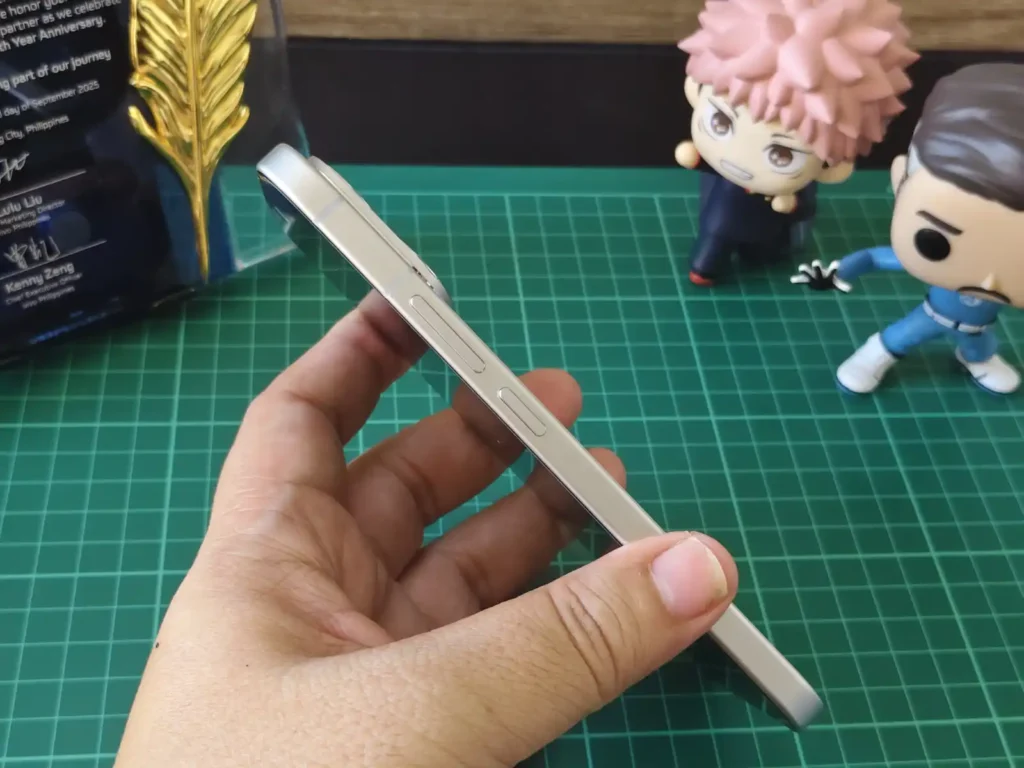
For the average consumer, numbers like that might just sound like technical jargon printed on a spec sheet. However, the real-world application of this incredibly high yield strength is long-term durability under immense physical stress.
I spent a decade in automotive manufacturing and another eight years turning wrenches in aviation maintenance. I know exactly what structural fatigue looks like when metal is pushed far beyond its physical limits. When a mobile device is built this thin, torsion becomes a massive structural problem.
If you accidentally sit on a poorly designed phone while it is stuffed in your back pocket, the chassis bends. When the chassis bends, the internal silicon cracks, the motherboard shorts out, and your expensive device dies instantly. The structural integrity here is genuinely aviation-grade, actively preventing that nightmare and extending the lifespan of your investment.
The Camera Module Geometry
Let us talk about the elephant in the room, or rather, the noticeable lack of one. The camera bump on most modern flagship smartphones looks like a massive, unsightly tumor grafted onto the back plate.
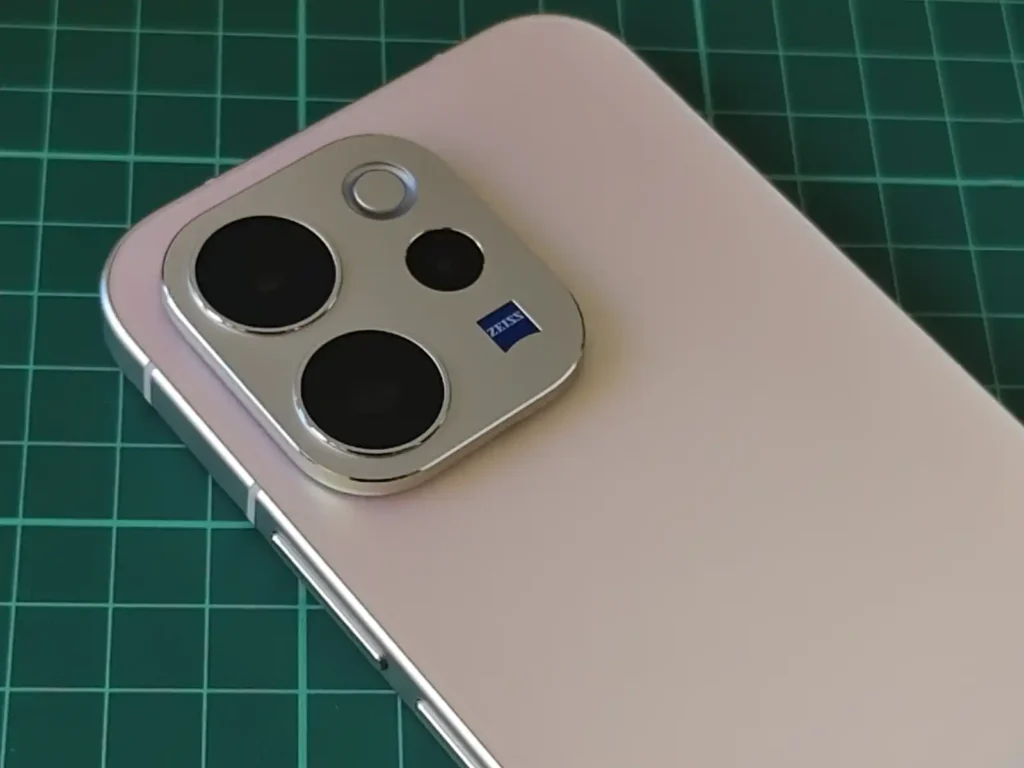
They are completely top-heavy. This makes the phone wobble violently every time you try to type a quick message while it rests on a flat cafe table. vivo solved this highly annoying ergonomic issue with their Dynamic Floating Camera Module.
They somehow managed to pack advanced periscope optics and massive image sensors into a localized housing that is just 3.29 millimeters thick. This is another critical area where engineering meets raw performance.
By meticulously balancing the internal payload of the entire camera array, they created a center of gravity that actually rests perfectly in the middle of your palm. It stops constantly pulling the top of the phone forward out of your grip.
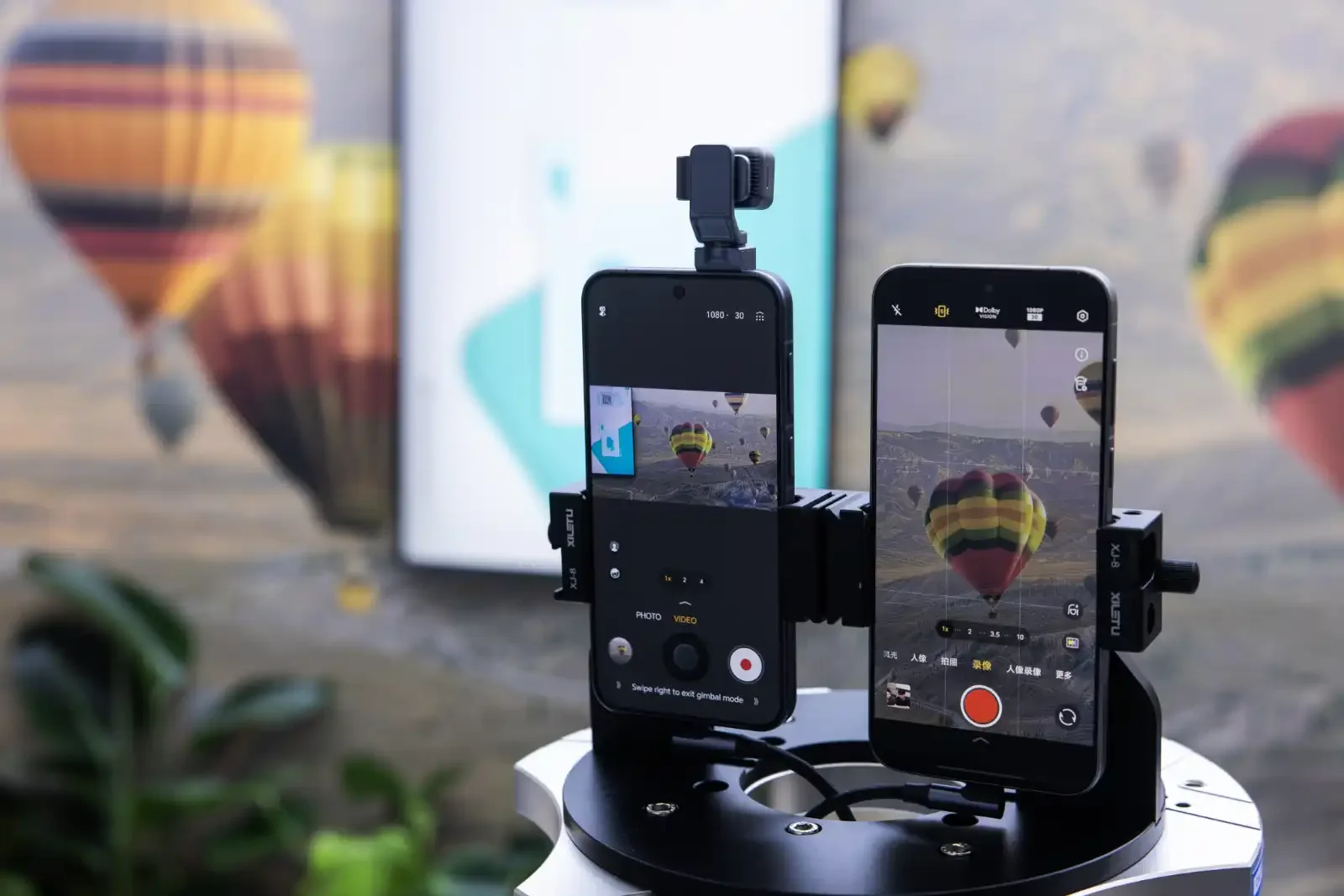
For mobile creators and professional vloggers, this physical balance is an absolute game-changer in the field. It means your motorized gimbals do not have to work overtime to stabilize a top-heavy brick. Your stabilizer motors run cooler, mechanical calibration takes half the time, and your gimbal battery lasts significantly longer during a heavy shoot.
Micro-Etched Surfaces and Daily Resilience
The Golden Hour colorway is visually striking. It gives off a warm, shifting hue depending on exactly how the ambient light hits the back panel. But the real magic of this finish is strictly mechanical.
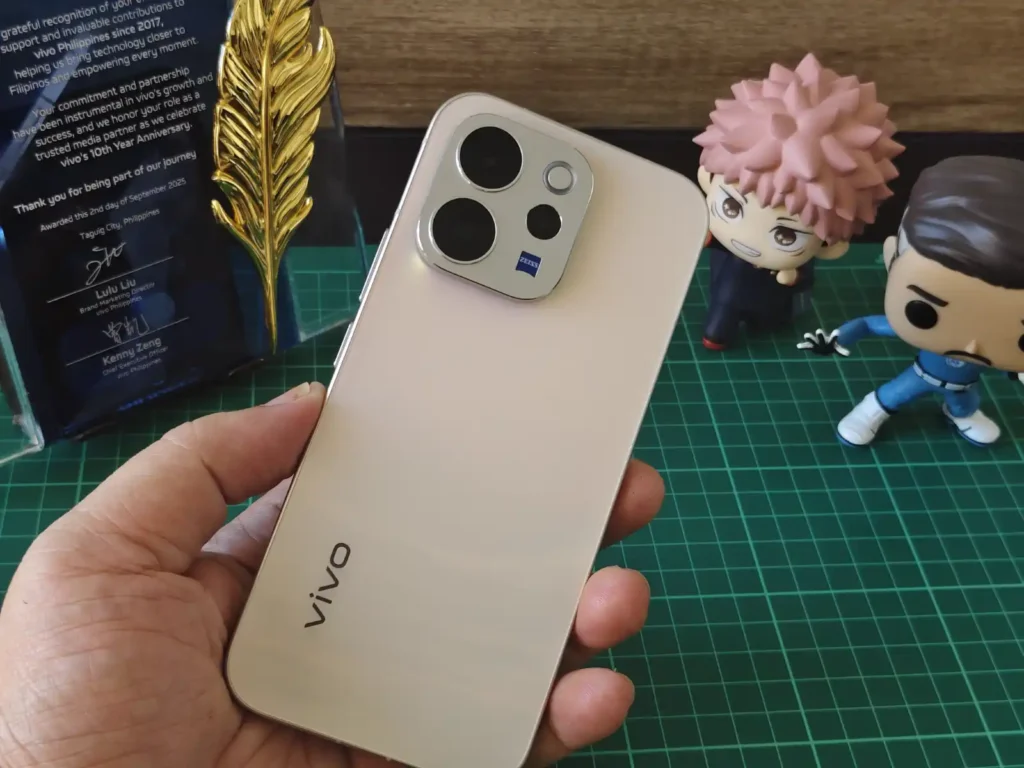
It lies in the complex micron-scale etching process applied directly to the rear glass panel. This microscopic texture creates a premium matte finish that completely rejects fingerprint oils and daily smudges.
You no longer have to aggressively wipe your phone on your shirt every five minutes before handing it to a client. It always looks exceptionally clean, highly professional, and ready for a close-up.
Then there is the industrial-grade IP69 water and dust resistance rating. This is not a gentle splash rating meant for occasionally dropping your phone in a shallow puddle. IP69 means this specific device can easily withstand high-pressure, high-temperature water jets.
If you get caught in a sudden, torrential downpour while shooting street photography, you do not have to panic. You do not need to frantically stuff the phone into your backpack to keep it dry. It will survive the harshest elements effortlessly.
Thermal Management and Battery Density
Thermal dynamics will usually ruin the mobile videography experience faster than anything else you can encounter. Shooting high-bitrate 4K video generates an immense amount of internal heat very quickly.
This heat causes the internal processor to aggressively throttle its performance to avoid melting the silicon. That throttling inevitably drops your frame rates and ruins your otherwise cinematic footage.
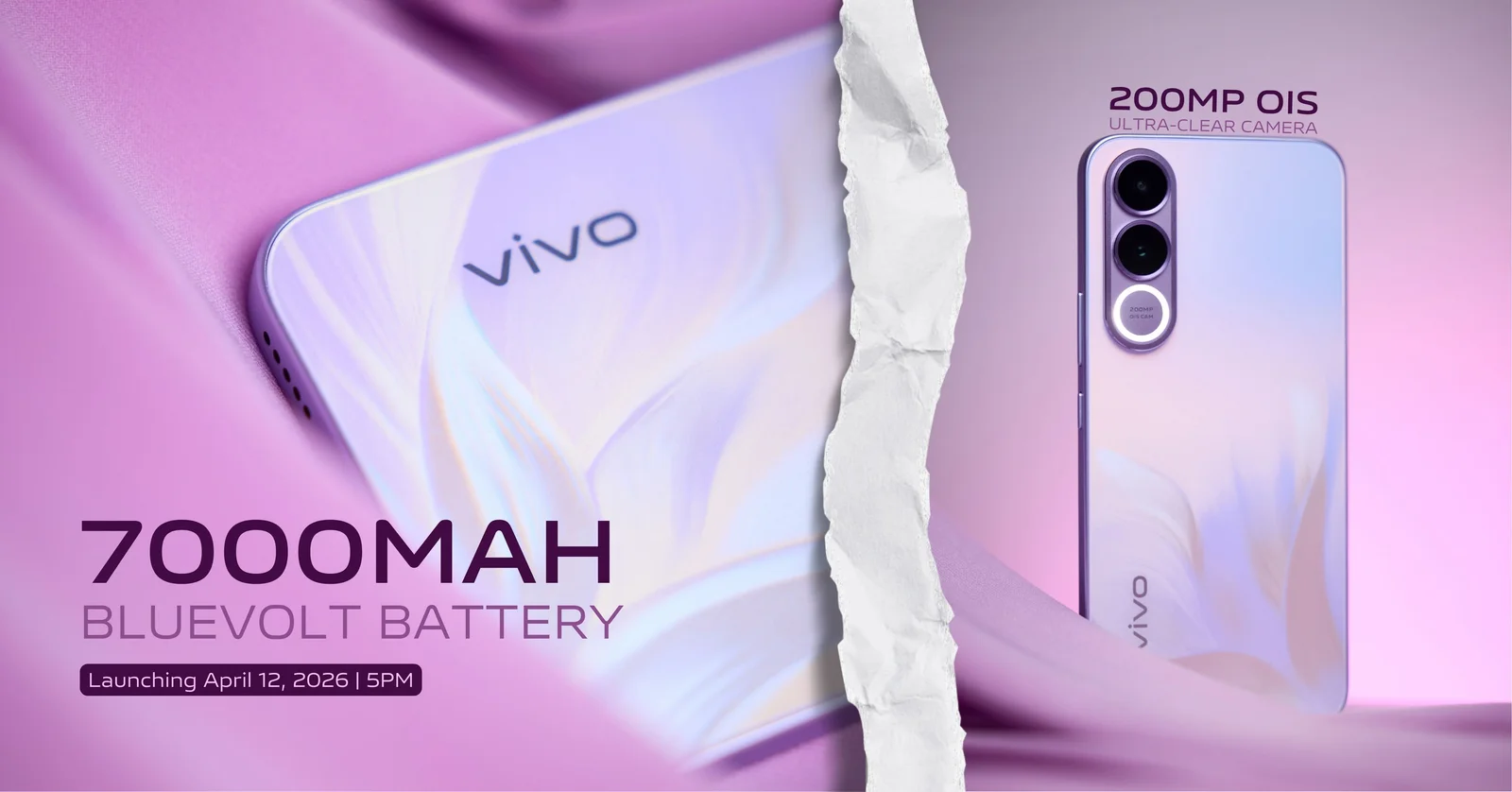
The V70 combats this frustrating hardware bottleneck with a massive 6500mAh BlueVolt battery. This specific power cell uses highly advanced semi-solid state technology. This chemistry allows for incredible power density without turning the phone into a literal thermal detonator in your bare hands.
As a mechanical engineer, I am deeply impressed by how they manage the complex heat dissipation pathways across the aluminum frame. Discharging that much sustained electrical power is a brilliant example of how engineering meets raw performance under extreme loads.
You can shoot video for hours without the phone locking up or burning your fingers. When you finally do hit zero percent, the 90W FlashCharge protocol injects power violently fast. You are back to full capacity in the time it takes to eat a quick lunch, curing battery anxiety forever.
Silicon Synergy and Display Tolerances
Raw hardware potential is completely useless if the software layer cannot keep up with the physical components. OriginOS acts as the hyper-efficient central nervous system for all this silicon muscle.
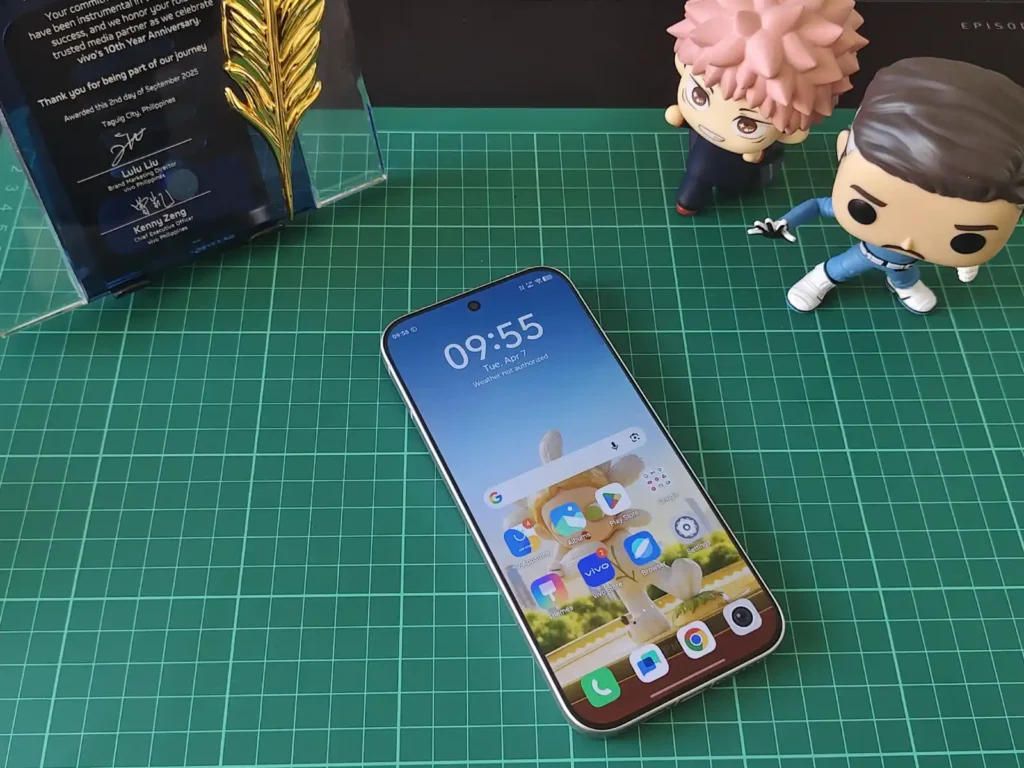
The entire user interface is ruthlessly optimized for sustained smoothness. It completely eliminates the frustrating micro-stutters that constantly plague heavily skinned Android devices on the market.
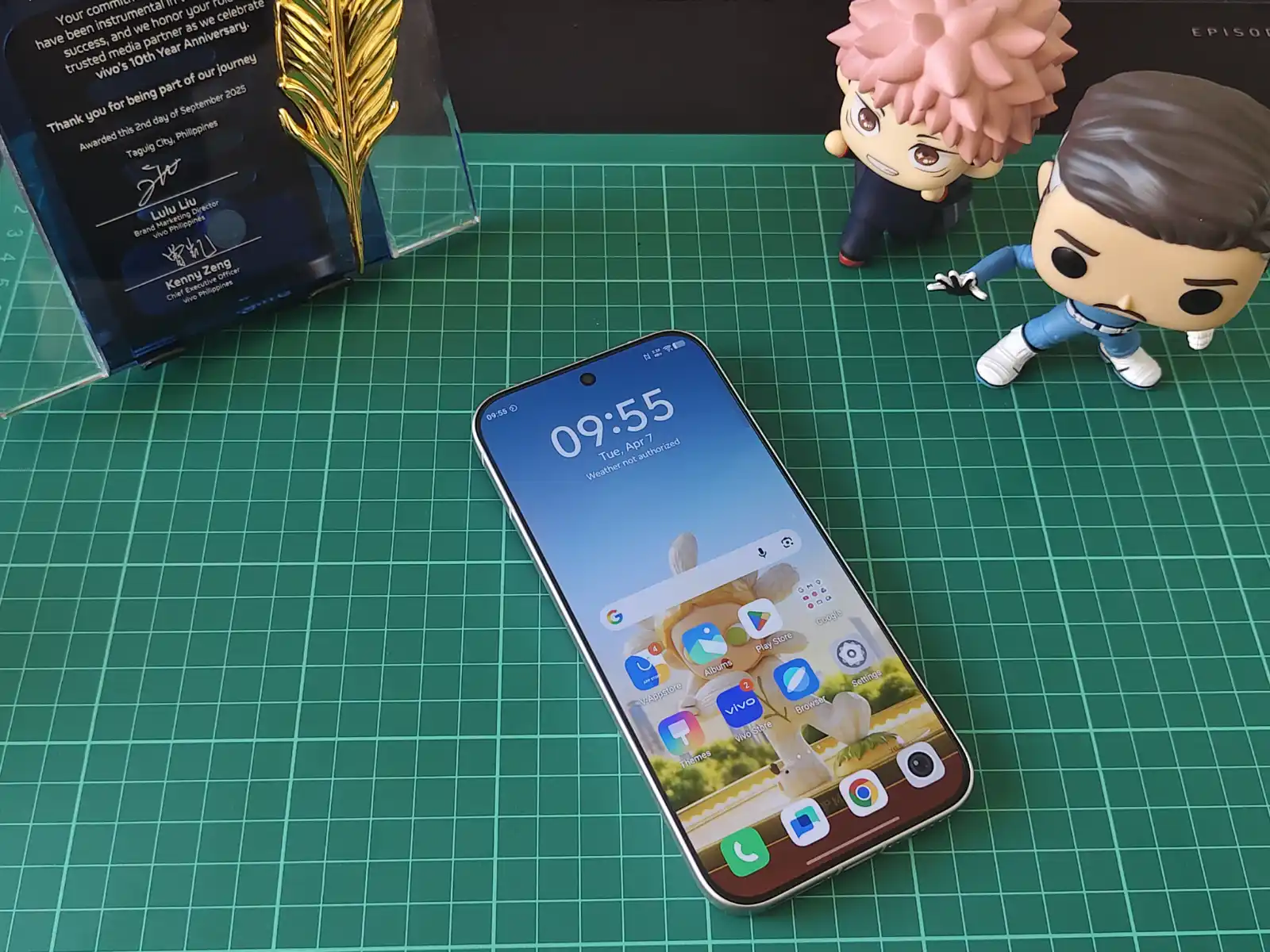
Look very closely at the incredibly tight 1.25-millimeter side bezels flanking the OLED screen. Shrinking display borders to that extreme tolerance without causing accidental touch inputs requires incredibly precise software algorithms.
It maximizes your usable screen real estate, making the physical footprint of the phone feel significantly smaller in the hand. Simultaneously, it gives you a massive, vibrant digital canvas.
The display itself pushes massive brightness, ensuring you can actually see your viewfinders clearly under direct sunlight. For everyday consumers editing high-resolution photos or simply reading dense spreadsheets on a crowded train, this edge-to-edge design makes a massive ergonomic difference.
Computational Optics and Real-World Utility
We absolutely cannot discuss design performance without touching the computational engine driving the physical optics. The 50MP ZEISS Super Telephoto lens is mechanically impressive on its own, but the AI architecture running silently behind it elevates the entire experience.
The local neural processing unit handles highly intense tasks like localized content-aware fill in a matter of a few seconds. If a random tourist wanders into your perfectly framed architectural shot, the software mathematically reconstructs the background textures and removes them instantly.
It also handles the highly advanced AI Magic Weather system. This allows you to seamlessly swap depressing overcast skies for vibrant, dynamic sunsets with a single screen tap.
This software synergy is the final, critical layer where engineering meets raw performance. It completely takes the heavy lifting of post-production out of the desktop editing bay and puts it directly onto your mobile device.
Mobile creators can now shoot, edit, color grade, and publish a flawless, professional piece of content without ever needing to open a heavy laptop. It fundamentally streamlines the creative workflow and empowers anyone to produce broadcast-quality media on the fly.
Priced starting at Php 31,999, the vivo V70 is now available for purchase in vivo stores nationwide or online via the vivo e-store, Shopee, Lazada, and TikTok Shop.