The Economics of the Electric Transition
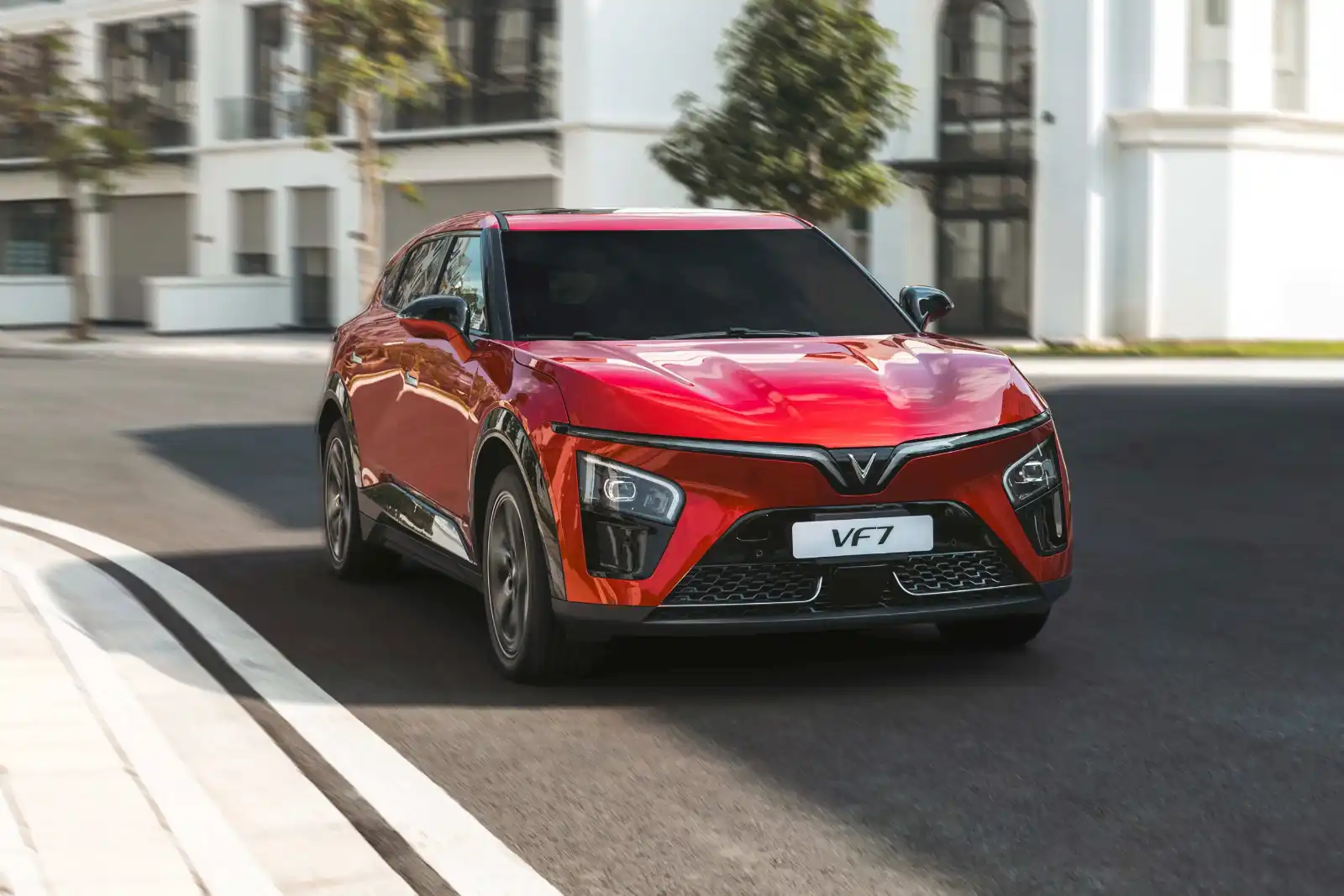
The electric vehicle market in Southeast Asia just received a massive structural shift. VinFast has officially announced an extension of its highly successful Zero Cost EV Charging program for customers in India, Indonesia, and the Philippines, now running all the way through March 31, 2029. When you look at the raw data of electric vehicle adoption, the initial purchase price is rarely the sole barrier to entry. The ongoing cost of operation and the anxiety surrounding charging infrastructure usually dictate whether a consumer pulls the trigger on a new vehicle. By guaranteeing three solid years of completely free electricity at any V-Green developed and operated charging station, VinFast is removing the most significant point of friction.
Consumers will have much greater incentives to finally switch over to electric vehicles and drastically reduce their reliance on volatile gasoline prices. This policy applies broadly to everyone, encompassing both existing owners and future buyers. Furthermore, it covers private customers as well as those utilizing their cars for commercial transportation services, including the fleet drivers operating on the Green SM ride-hailing platform. This broad-spectrum approach ensures that the financial benefits ripple throughout the entire transportation sector. Gasoline prices continue to fluctuate wildly based on global supply chains and geopolitical tensions. Electric mobility offers a firewall against this unpredictability. By locking in free power for the next three years, owners can accurately project their exact transportation costs, which is a massive advantage for household budgeting and small business accounting alike.
Engineering the V-Green Charging Infrastructure
Before I started tearing down gadgets and reviewing tech ecosystems for techbeatph.com, I spent ten years in automotive manufacturing and eight years in aviation maintenance working as a mechanical engineer. I naturally look at physical infrastructure through a very specific lens of thermal management, electrical load distribution, and mechanical reliability. Delivering reliable, Zero Cost EV Charging on a national scale is not a simple marketing trick. It is a massive feat of electrical engineering and logistical planning. The V-Green network has to manage incredible amounts of voltage and amperage, safely transferring kilowatts of energy from the commercial power grid directly into the high-density lithium-ion battery packs of thousands of vehicles simultaneously. Building a fast-charging station involves sophisticated liquid cooling systems integrated within the charging cables themselves to prevent the heavy copper wiring from melting under the extreme electrical load.
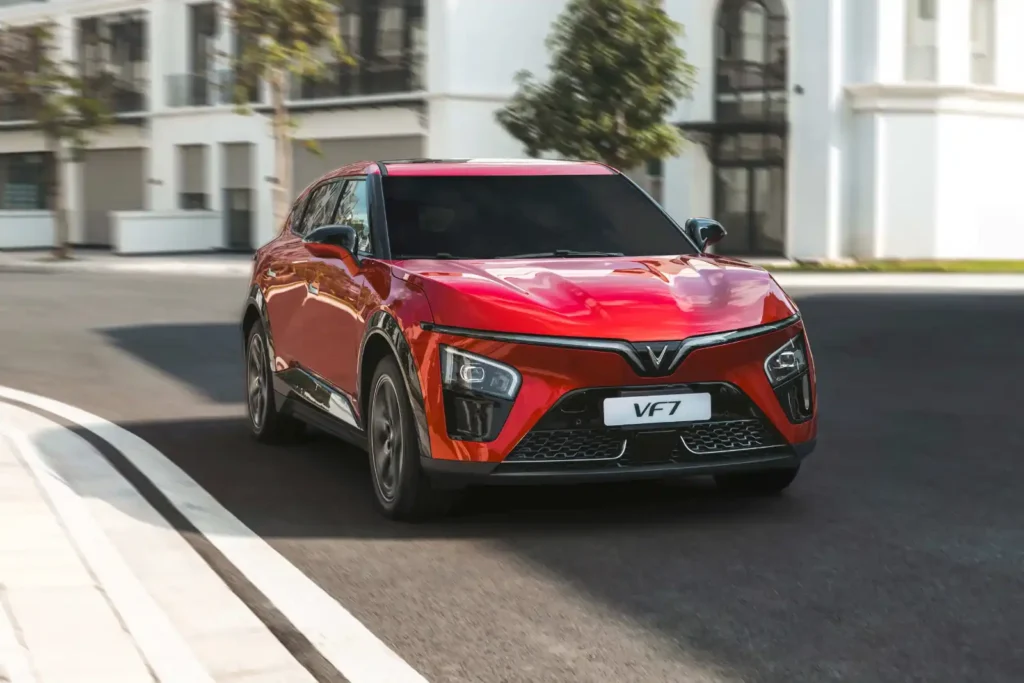
It also requires highly advanced power inverters and complex software handshakes between the charging cabinet and the vehicle’s internal battery management system. This ensures the chemical cells are charged efficiently without causing thermal runaway or accelerating long-term degradation. It is one thing to offer free electricity on paper, but it is an entirely different beast to actually build the physical hardware capable of dispensing it reliably across a developing archipelago. I have closely inspected various charging cabinets being deployed locally, and the build quality V-Green is utilizing shows a deep understanding of industrial durability and weather resistance. The continuous expansion of this specific network is actively creating favorable conditions for consumers to confidently transition to greener, more sustainable mobility solutions. You no longer have to pray that a single, isolated charging pillar is operational when you reach a provincial mall. The density of the network is becoming robust enough to support actual, worry-free daily driving.
Practical Benefits for the Mobile Creator
For the modern mobile creator, a vehicle is rarely just a mode of transportation from point A to point B. It is a mobile production studio, a secure equipment hauler, and a climate-controlled sanctuary between grueling shoots. The aggressive expansion of this charging initiative fundamentally changes the financial calculus for anyone working in the demanding creative field. Imagine running an entire production day, driving from a sunrise landscape shoot in the mountains of Rizal down to a sterile commercial studio in Makati, and then heading south to Alabang for a late-evening podcast recording session. In a traditional internal combustion engine vehicle, the fuel costs and maintenance wear for that route would eat significantly into your daily production rate. With this extended program, your direct travel overhead drops to absolute zero.
This is a massive financial victory for content creators, daily vloggers, and freelance videographers who spend a disproportionate amount of their lives navigating terrible traffic to capture the perfect shot. Furthermore, modern electric vehicles function essentially as giant, rolling power banks. You can charge your heavy cinema camera batteries, render video on your high-performance laptops, and power your portable LED lighting setups directly from the vehicle’s electrical system without idling a noisy, polluting gas engine. Having guaranteed access to an expanding network that offers Zero Cost EV Charging means you can top up your vehicle’s massive battery pack between different locations while you grab a quick coffee and review your raw footage. You are essentially getting free, clean energy to power both your physical commute and your digital creative workflow.
This level of financial optimization allows independent creators to reallocate their hard-earned transportation budget toward acquiring better camera gear, funding digital marketing campaigns, or simply taking a well-deserved weekend off without worrying about the gas bill.
Battery Subscription and Long-Term Value
Beyond the direct charging benefits, VinFast is deploying a multi-layered strategy to permanently accelerate the green transition across the region. Ms. Duong Thi Thu Trang, the Deputy CEO of Global Sales at VinFast, noted clearly that optimizing operating costs to nearly zero gives consumers the psychological confidence needed to finally make the switch. However, the company is also directly addressing the other major elephant in the room: long-term battery degradation and high upfront capital requirements. They are currently implementing a highly disruptive battery subscription program in key Asian markets. Instead of forcing the consumer to buy the massive battery pack outright, which is unequivocally the most expensive single component of any electric vehicle, you simply lease it. This dramatically lowers the initial upfront investment cost of purchasing the vehicle itself. If the battery capacity ever degrades past a specific functional threshold, VinFast simply replaces the entire pack. This entirely eliminates the long-term financial anxiety associated with future battery replacement costs. Combined with flexible payment options, market-leading warranty coverage, and a solid resale value guarantee policy, the financial safety net being offered here is remarkably comprehensive.
From a pure engineering standpoint, decoupling the battery ownership from the physical chassis ownership is a brilliant move that drastically extends the usable lifespan of the vehicle hardware. The mechanical chassis, the electric drive motors, and the interior cabin components will easily outlast the chemical lifespan of the initial battery cells. When you combine a lowered initial purchase price with the ironclad guarantee of Zero Cost EV Charging until early 2029, the total cost of ownership becomes mathematically unbeatable.
VinFast is not just selling cars; they are aggressively popularizing an entire ecosystem designed to create a sustainable green future worldwide. This forces legacy automotive manufacturers to either adapt their outdated pricing structures or get entirely left behind in the fading gasoline era.