
On-Device Agents and the App-Less Future
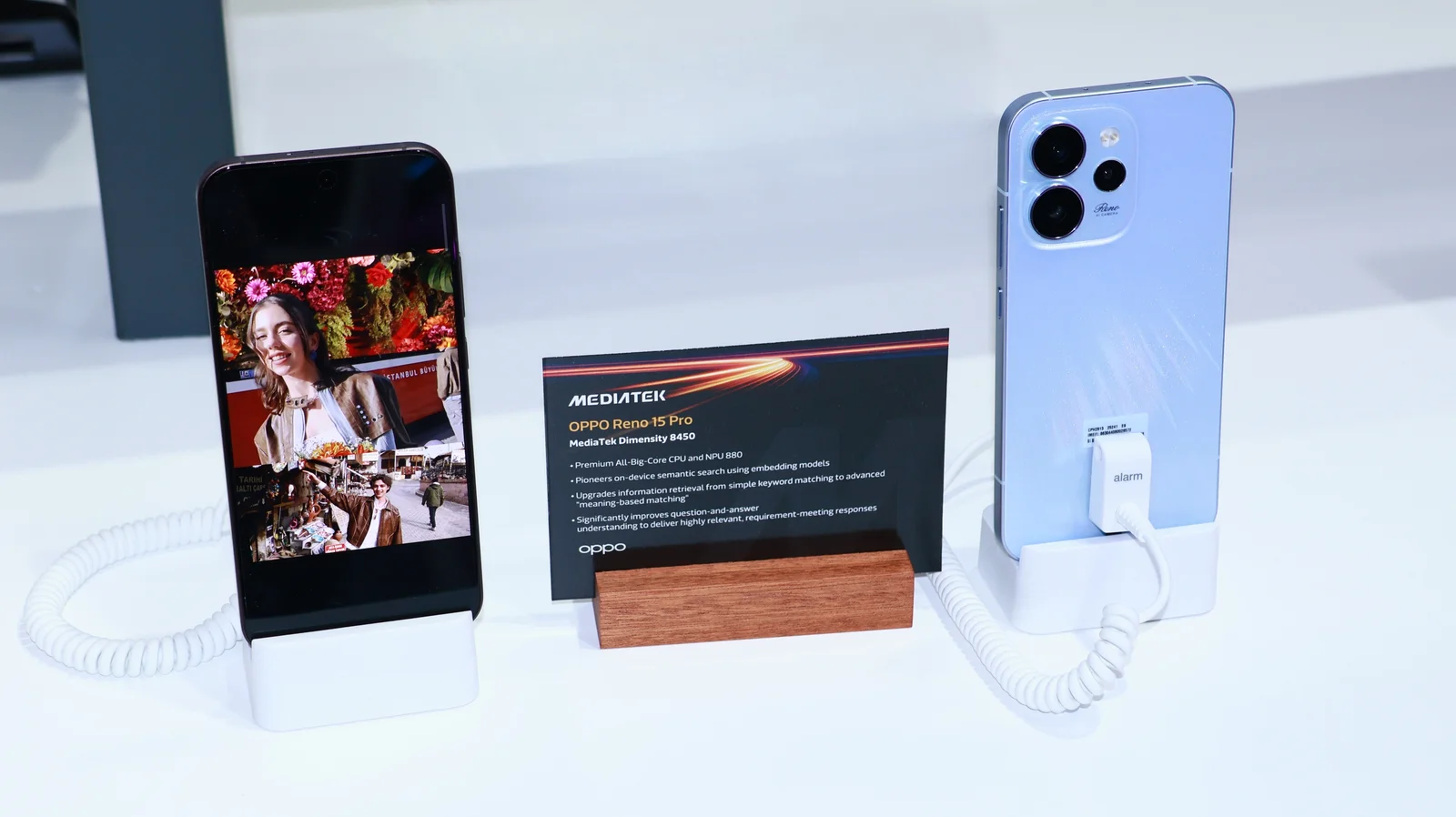
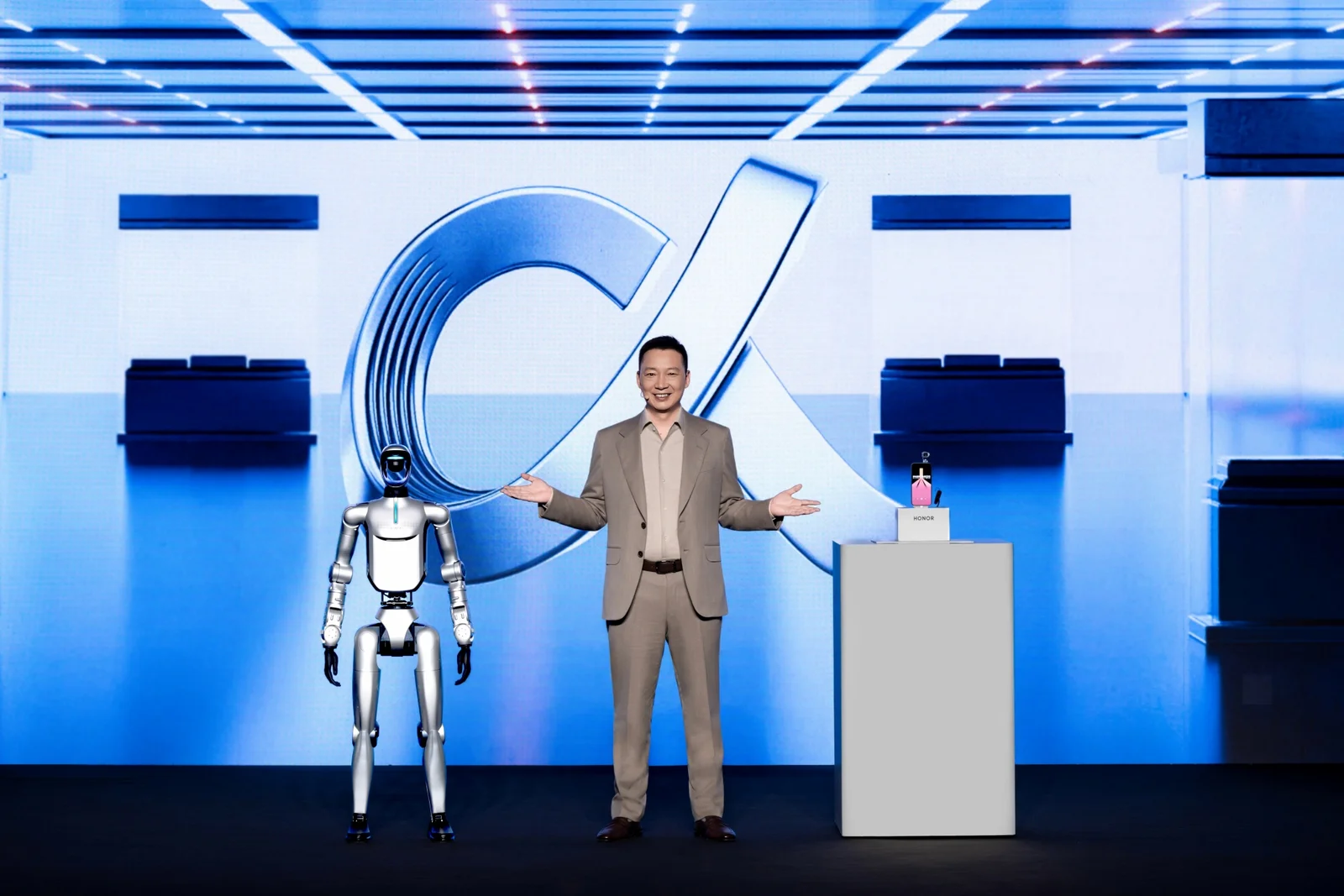
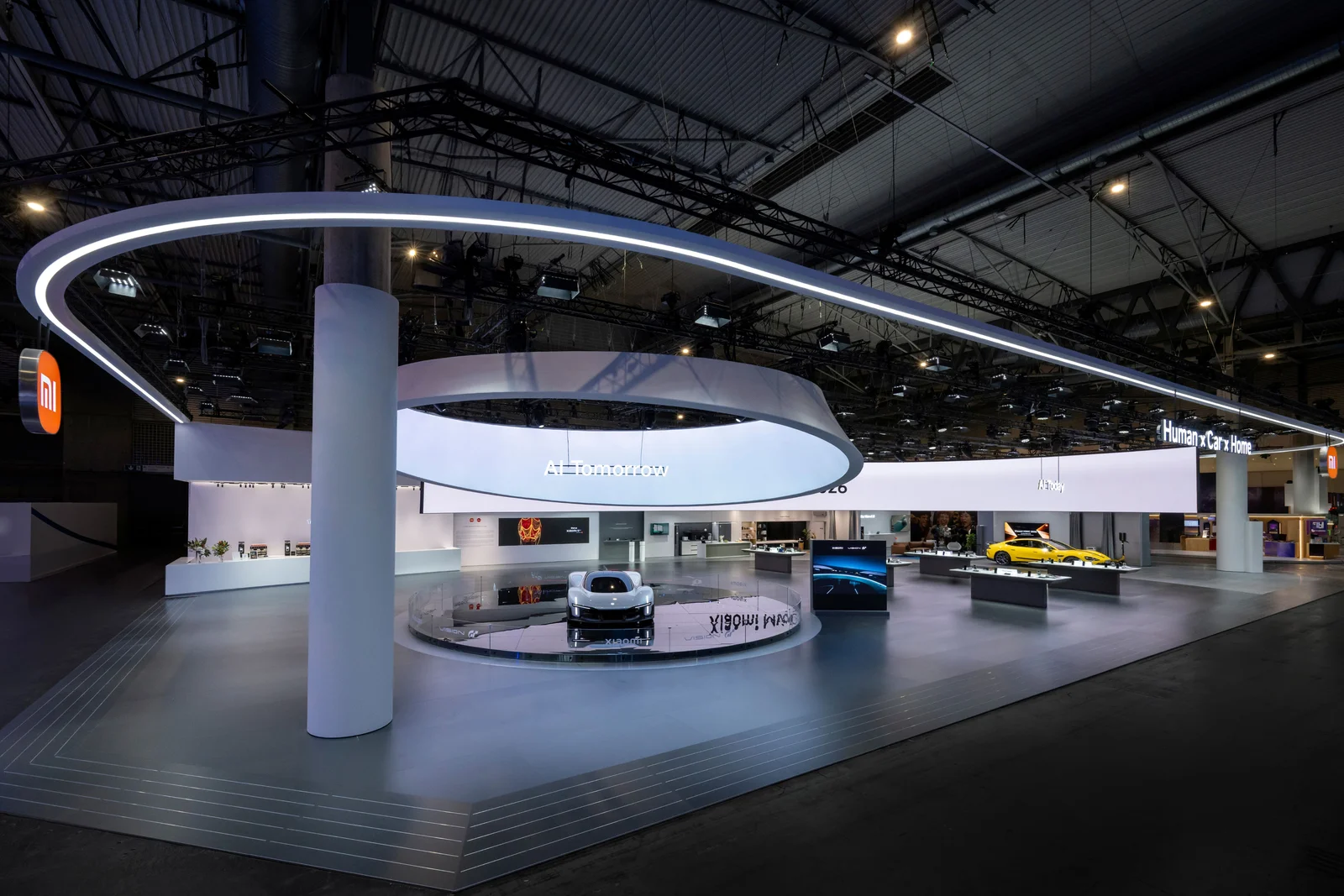
The dust has settled in Barcelona, and the screens have finally stopped flickering at the Fira de Barcelona. If MWC 2026 taught us anything, it is that the “smartphone” as we know it is undergoing a radical lobotomy and being replaced with something much more capable. This year showed us that The Agentic AI Revolution is finally here, signaling a departure from the grid of icons we have been tapping like trained pigeons for nearly two decades. We are moving toward a reality where “opening an app” feels as antiquated as dialing a rotary phone. The new focus is on on-device AI agents that do not just provide information but actually execute tasks across multiple platforms without you ever needing to see the interface of a third-party application.
I have spent the last week watching demos where a user tells their phone to “plan a trip to Boracay for four people with a budget of fifty thousand pesos,” and the device autonomously scans airlines, books a hotel, and populates a shared calendar. This marks the peak of The Agentic AI Revolution in the palm of your hand, moving complexity to the background. For the average Filipino consumer, this is a massive win for productivity. We are one of the most socially active populations online, and the sheer amount of time we waste switching between banking apps, ride-hailing services, and messaging platforms is staggering. These AI agents are designed to reclaim that time.

The Rise of the Tri-Fold and the Thinning Ultra
Hardware has finally caught up to the software’s ambition. While the previous year was about making the “crease” disappear, 2026 is the year the tri-fold moved from a concept to a consumer reality. We saw the launch of the Samsung Galaxy Z Fold 7 alongside more daring tri-fold designs from Chinese manufacturers that unfold into a legitimate 10.5-inch workstation while remaining thinner than a standard deck of cards. The engineering required to make a three-part hinge that survives the humidity of Manila is nothing short of a miracle. These devices are no longer just for the “flex” at the boardroom table; they are becoming legitimate laptop replacements for the mobile professional.
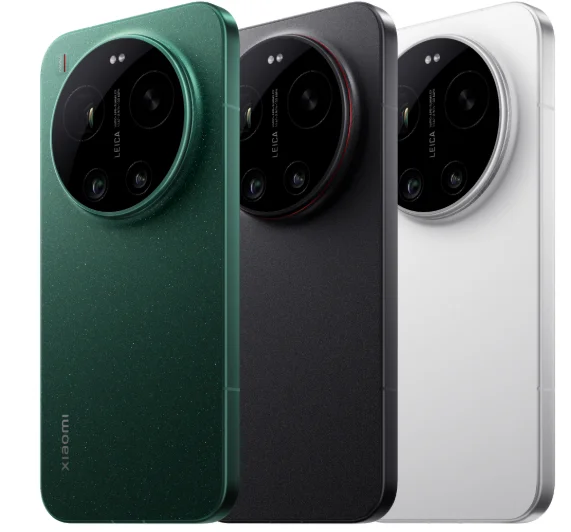
The “Ultra” segment is also seeing a shift. We are seeing devices like the Xiaomi 17 Ultra and the vivo V70 Pro pushing the boundaries of what a slim profile can hold. By utilizing high-density silicon-carbon batteries, manufacturers are packing 6000mAh plus capacities into frames that are less than 8.5mm thick. This is a crucial development for the local market. In the Philippines, we are often out for the entire day—battling traffic, power outages, or long commutes—and a thin phone that does not die by 3:00 PM is a luxury that is finally becoming a standard.
Satellite Connectivity for the 7107 Islands
One of the most significant technological leaps featured at MWC 2026 is the mainstreaming of direct-to-device satellite connectivity. This is not just the “Emergency SOS” of 2024. We are talking about 5G Non-Terrestrial Networks (NTN) that allow for basic text and voice communication even when you are in the middle of the Sulu Sea or the deepest parts of the Cordillera mountains. For the Filipino techie, The Agentic AI Revolution means help is coming even without cell towers, ensuring that our archipelago is truly connected for the first time in history.
I have always been a bit of a skeptic when it comes to the “connected everywhere” marketing speak, but the live demos of satellite-linked messaging working seamlessly through standard-looking smartphones were convincing. This technology removes the “dead zone” anxiety that haunts every traveler in our provinces. It benefits the readers by providing a literal lifeline during our frequent natural disasters when traditional cell towers are the first things to go down. Having a phone that can talk to a satellite without a massive external antenna is a level of security we did not think would be affordable this soon.
The Return of Physical Camera Controls
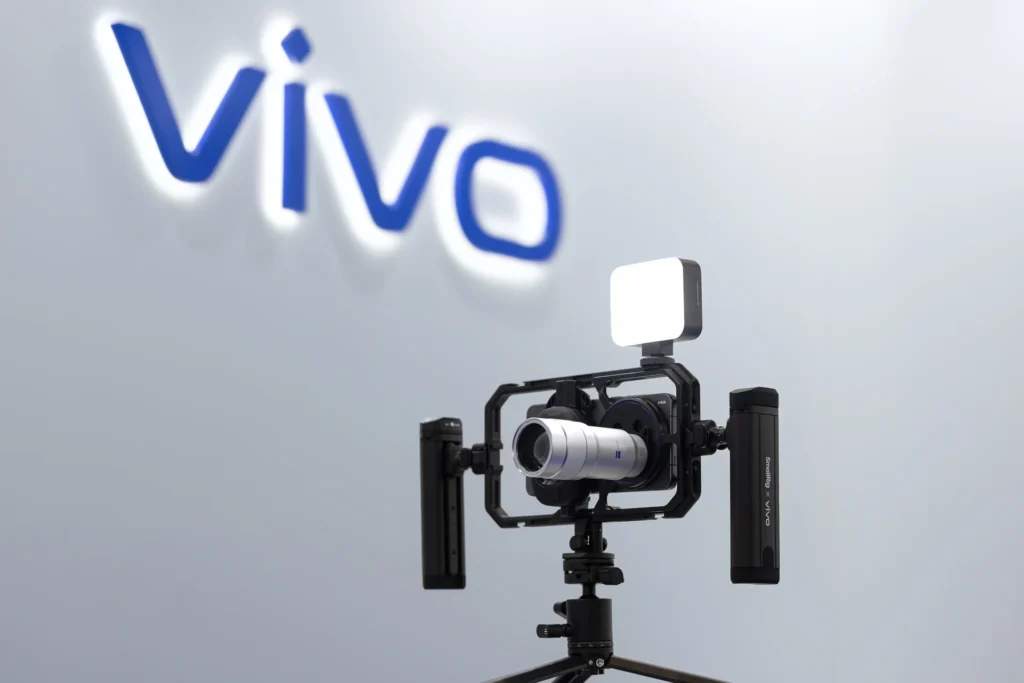
In a strange twist of fate, as the software becomes more automated, the hardware is becoming more tactile. We saw a surge in “Photography Kits” and physical control rings on flagship devices. The collaboration between legendary camera brands like Leica and ZEISS and mobile manufacturers has moved beyond just slapping a logo on the back. We are seeing 1-inch LOFIC sensors that handle high dynamic range better than some dedicated mirrorless cameras.
The interesting part is the physical two-stage shutter buttons and dedicated aperture wheels appearing on the frames of these phones. This is a nod to the fact that while AI can “perfect” an image, the act of taking a photo is still an emotional, physical experience. For the booming Filipino creator economy, this is a massive upgrade. You no longer need to carry a heavy bag of lenses to get that cinematic 4K 120fps look. The phone in your pocket is now a “pro” tool in every sense of the word, capable of handling ACES Log workflows that were previously reserved for high-end cinema rigs.
Silicon-Carbon Battery Longevity and Heat Management
We cannot talk about 2026 tech without mentioning the death of the standard lithium-ion battery in the flagship segment. The shift to silicon-carbon anodes allows for much higher energy density, which is why your next phone will likely be thinner but last longer. But more importantly, the charging speeds have stabilized at a “safe” 90W to 120W, with a focus on battery health rather than just raw speed. Heat management has also evolved, with vapor chambers now covering nearly 50% of the internal surface area.
This is particularly important for us in the Philippines. Our ambient temperature is basically a stress test for any electronic device. A phone that throttles its performance the moment you step outside into the heat of April is useless. The 2026 flagship lineup uses advanced cooling materials that were once the stuff of science fiction. In my view, The Agentic AI Revolution is about getting our time back, and that includes the time we spend waiting for a hot phone to cool down so we can finish a game or an edit. This focus on thermal efficiency ensures that your investment lasts longer than the typical two-year upgrade cycle.
The Personal Verdict on the 2026 Shift
I have seen enough glass slabs to last three lifetimes, but this year felt different. We are finally seeing a divergence in design where “one size fits all” is no longer the rule. Whether it is the compact imaging powerhouses or the massive unfolding workstations, the industry is finally respecting the diverse ways people use their tech. There is a sense of maturity in the innovations; it is no longer about doing something because it is possible, but doing it because it is helpful.
I have always believed that the best technology is the kind that disappears into the background of your life. We are getting closer to that ideal. The 2026 mobile landscape is less about the “phone” and more about the “agent.” It is about a device that knows you well enough to handle the boring parts of your digital life—the logistics, the scheduling, the tedious edits—so you can focus on the actual living. For the Filipino enthusiast, this year is not just about a new gadget; it is about a new level of digital sovereignty.