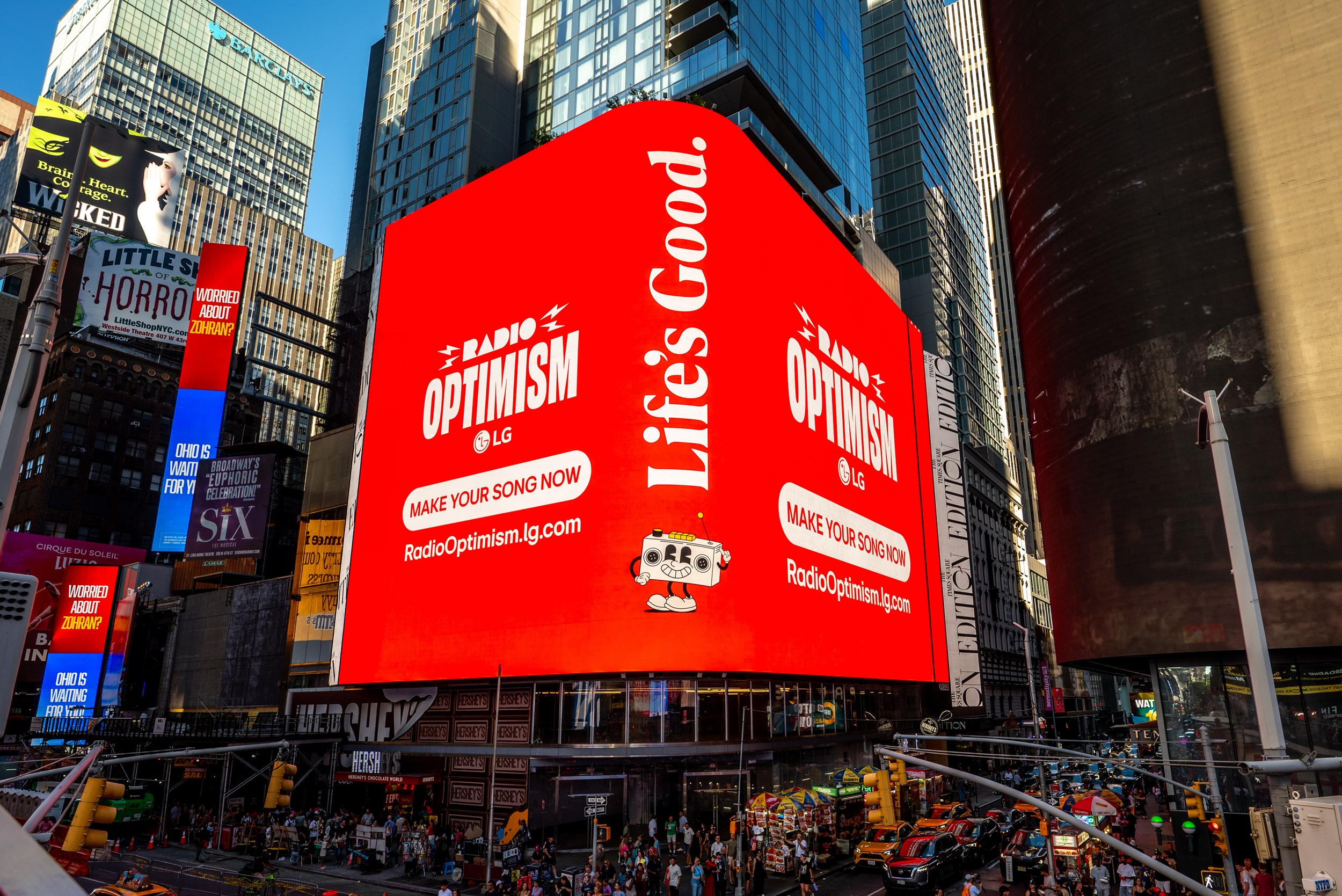
LG Radio Optimism Uses AI To Amplify Connection
AI Meets Emotion: The Core of Radio Optimism
LG’s Radio Optimism campaign is a fascinating case study in how artificial intelligence can be used not just for efficiency or automation, but for something far more human: emotional connection. The campaign invited users to write a message to a loved one, choose a genre and vibe, and then generate a personalized AI-composed song. LG Radio Optimism Uses AI To Amplify Connection
The result? More than 700,000 unique tracks created globally, with the Philippines contributing 33,000 songs—the highest in the Asia-Pacific region. These songs weren’t just generated and forgotten. They were listened to and shared over 1.5 million times, proving that when technology is designed with empathy, people respond.
For me, this is the most exciting part of the story. AI is often framed as cold, mechanical, or even threatening. But here, it’s being used to amplify something timeless: love, gratitude, and human connection.
View this post on Instagram
The Technology Behind the Music

Let’s break down how this works. LG’s platform uses AI music generation models trained on properly licensed music from original artists. This ensures that the songs are not only unique but also legally and ethically sound.
The system takes three key inputs:
- Message – The words you want to send.
- Genre and Vibe – The emotional tone, whether it’s upbeat pop, soulful ballad, or something more experimental.
- AI Composition Engine – The algorithm that transforms text and mood into melody, lyrics, and arrangement.
The AI doesn’t just stitch together pre-recorded samples. It generates compositions that feel authentic, with harmonies, rhythms, and instrumentation aligned to the chosen vibe. The result is a song that feels personal, even though it was created in seconds.
For readers, the benefit is clear: you don’t need to be a musician to create something meaningful. The technology lowers the barrier to creativity, making music a universal language anyone can speak.
View this post on Instagram
Cultural Resonance: Why the Philippines Stood Out
It’s no surprise that the Philippines led the APAC region in song creation. Filipinos are known for their strong family ties and love of music. Karaoke machines are practically household staples. Combine that cultural DNA with AI-powered personalization, and you get a perfect storm of engagement.
Expressions of love dominated the campaign, appearing in over 30 percent of the songs. Gratitude and encouragement followed closely. Family was the most frequent recipient, followed by friends. This data tells us something important: even in a hyper-digital world, the core of human expression remains the same.
I see this as proof that technology doesn’t erase culture—it amplifies it. The Radio Optimism campaign didn’t replace Filipino traditions of music and family connection. It gave them a new digital stage.
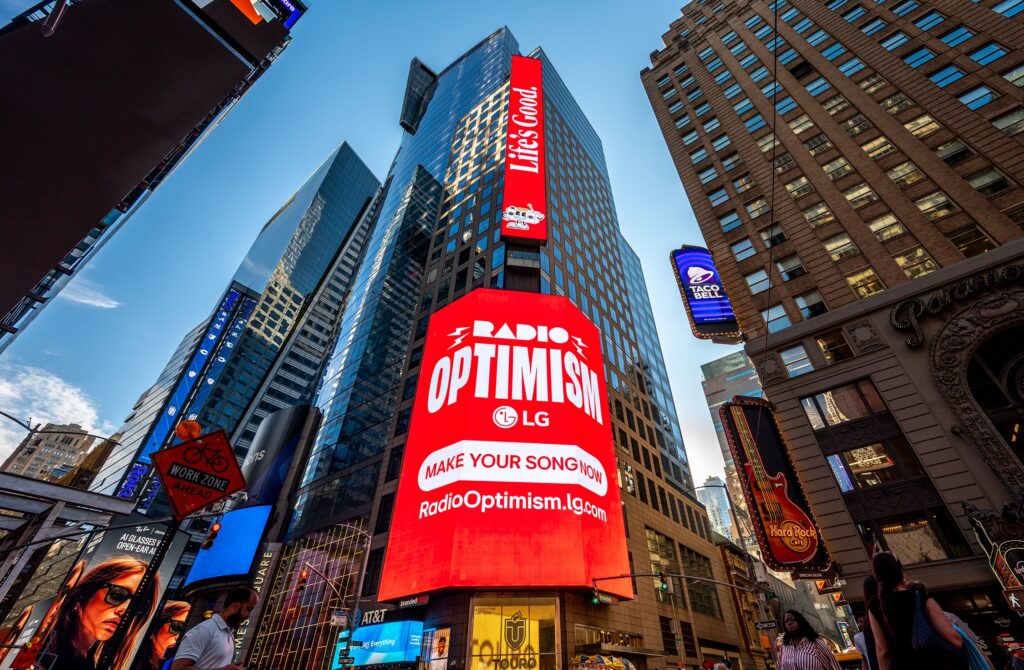
Global Reach and Local Stories
The campaign generated over 30 million social engagements and 2.4 billion views worldwide. That’s not just viral—it’s cultural penetration.
Influencers played a big role in amplifying the message. Australian father-daughter duo Ben and Zara created a birthday song for Ben’s son. Brazilian creator Jessie Shen composed a touching track for her partner. Sports fans used the platform to craft team anthems. Pet owners dedicated songs to their furry companions.
These stories highlight the versatility of the technology. It wasn’t limited to romantic or familial love. It became a tool for expressing identity, loyalty, and even humor.
Responsible AI: Innovation With Guardrails
One of the most important aspects of this campaign is LG’s commitment to responsible AI use. The music generation system was trained on licensed content, ensuring that original artists were respected and intellectual property was protected.
This matters because AI-generated content often raises questions about ownership and ethics. By setting a standard of responsibility, LG demonstrated that innovation doesn’t have to come at the expense of fairness.
For readers, this is a reminder that not all AI is created equal. When companies prioritize ethical frameworks, the technology becomes more trustworthy and sustainable.
My Take: Why This Campaign Matters
I’ve seen plenty of brand campaigns that use AI as a gimmick. They generate buzz for a week and then fade into obscurity. Radio Optimism feels different.
Why? Because it taps into something universal. Everyone has someone they want to thank, encourage, or celebrate. By turning those emotions into music, LG created a platform that feels both futuristic and deeply human.
For me, the most impressive part is how accessible it is. You don’t need to know music theory. You don’t need expensive software. You just need a message and a few clicks. That democratization of creativity is powerful.
And let’s be honest: the idea of sending your mom an AI-generated ballad about how much you appreciate her cooking? That’s both hilarious and heartwarming. Technology doesn’t always have to be serious. Sometimes, it just has to make people smile.
The Bigger Picture: AI as a Connector
The Radio Optimism campaign shows us a glimpse of what AI can be when it’s designed with people in mind. It’s not about replacing human creativity—it’s about augmenting it.
Imagine future applications:
- Personalized lullabies for newborns.
- Motivational anthems for athletes.
- Custom graduation songs for students.
- Even AI-generated jingles for small businesses.
The possibilities are endless, and the barrier to entry is practically zero. That’s the kind of innovation that benefits everyone, not just tech enthusiasts.
The Sound of Optimism
At its core, Radio Optimism reaffirmed a simple truth: technology may evolve, but human priorities remain constant. Love, gratitude, and connection will always matter more than specs or algorithms.
By blending AI with music, LG created a campaign that didn’t just showcase technology—it showcased humanity. And in a world where digital interactions often feel shallow, that’s a refreshing reminder that Life’s Good when technology is used to bring us closer together.
To learn more about the campaign or join in spreading Life’s Good message, please visit radiooptimism.lg.com.