
LG Electronics continues to dominate the global OLED TV market, marking its 13th consecutive year as the segment leader. According to Omdia, LG captured 49.7% of global OLED TV shipments in 2025, equivalent to approximately 3.22 million units.
The broader OLED category also saw steady growth, with total shipments reaching 6.47 million units, up 6.6% year over year. This reflects increasing demand for premium display technologies as consumers prioritize higher picture quality and design.
Strong Regional Performance Across Key Markets
LG’s OLED leadership extends across major regions, with consistent market share gains in Europe, North America, and Asia-Pacific.
Europe emerged as a key growth driver in 2025, with OLED TV shipments surpassing 3 million units for the first time. LG led the region with around 1.59 million units shipped, accounting for 50.5% of total OLED TV sales.
The company also maintained strong positions in other regions, capturing 50.1% of the market in North America and 62.3% in Asia-Oceania. These figures highlight sustained demand for OLED displays across both mature and emerging markets.
OLED Becomes Core to Premium TV Segment
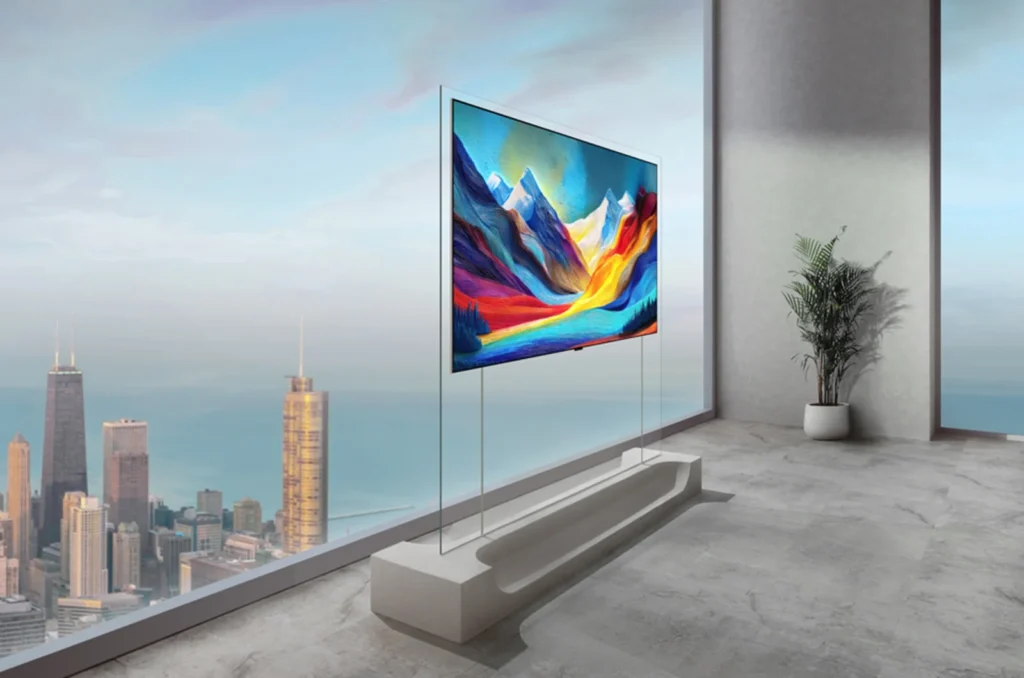
The company’s performance underscores OLED’s growing role in the premium TV category. Consumers continue to adopt OLED displays for their contrast, color accuracy, and slim form factors, particularly as home entertainment setups evolve.
As expectations rise around brightness, clarity, and design, manufacturers are pushing new innovations to address real-world viewing conditions, including brighter rooms and glare-heavy environments.
2026 OLED evo TVs Introduce Brightness and AI Enhancements
LG is building on its 2025 momentum with its 2026 OLED evo lineup, introducing upgrades focused on brightness and image processing.
The new models feature Hyper Radiant Color Technology, which improves color accuracy and delivers significantly brighter images compared to conventional OLED panels. This is paired with the α11 AI Processor Gen 3, which uses a Dual AI Engine to simultaneously reduce noise and preserve texture.
These enhancements aim to produce clearer images without the over-processing effects commonly seen in traditional TV upscaling. The lineup also includes improved anti-reflection performance, earning Reflection Free Premium certification to enhance viewing in bright environments.
Design Innovation Continues with Ultra-Thin OLED TVs
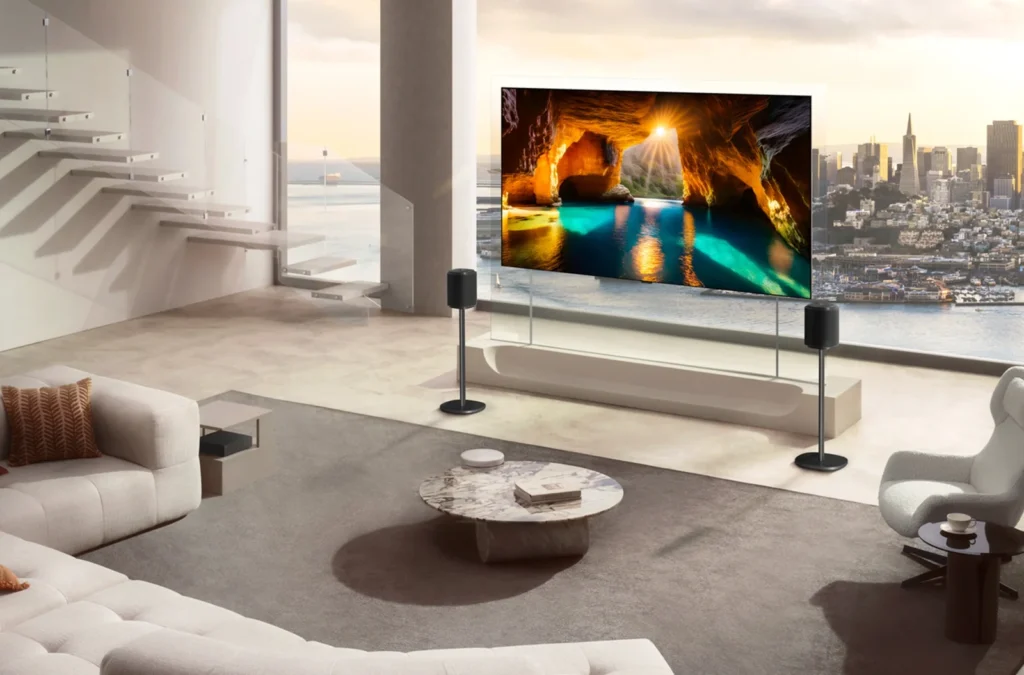
LG is also advancing industrial design with its latest Wallpaper OLED evo TV W6. The model features an ultra-thin profile measuring just a few millimeters, achieved through redesigned internal components and material optimization.
This approach reflects LG’s continued focus on combining aesthetics with performance, positioning OLED TVs not just as display devices but as design elements within modern living spaces.
LG’s sustained leadership highlights the growing importance of OLED technology in the global TV industry. As competition intensifies across premium segments, manufacturers are focusing on both hardware innovation and real-world usability improvements.
For consumers, this translates to better picture quality, improved brightness in everyday environments, and more refined designs. As OLED adoption continues to rise, advancements in AI processing and display technology will likely define the next phase of competition in the premium TV market.