
Regular brake maintenance becomes increasingly important as vehicles age. Automotive brake manufacturer ADVICS is reminding motorists to check their brake pads regularly, especially as older cars continue to see daily use for commuting, road trips, and long-distance travel.
Brake pads naturally wear down over time due to heat, friction, and exposure to varying road conditions. For older vehicles that have spent years navigating city traffic and changing weather, worn brake components can significantly affect stopping performance and overall safety.
Warning Signs Your Brake Pads May Need Replacement
Drivers should pay attention to several early warning signs that indicate brake pads may be nearing the end of their lifespan.
Common symptoms include:
- Squealing or grinding sounds when braking
- Vibration or judder felt through the brake pedal
- Longer stopping distances
- Thin or visibly worn brake pads
- Brake warning light appearing on the dashboard
If any of these issues appear, it is advisable to have the braking system inspected by a qualified technician before undertaking longer drives or during heavy travel periods.
Why Brake Component Quality Matters
Braking performance depends on the entire system working together effectively. Choosing reliable components helps maintain consistent stopping power and balanced braking response.
ADVICS, part of the AISIN Group, manufactures braking components supplied to many global automotive brands. The company develops its products using standards similar to original equipment (OE) parts used by vehicle manufacturers.
Brake pads designed for daily driving focus on durability and consistent performance, with features aimed at reducing common issues such as noise, vibration, and uneven wear.
These components are also engineered to withstand frequent braking conditions typical in urban environments, including heavy traffic and stop-and-go driving.
Beyond Brake Pads: Maintaining the Full Brake System
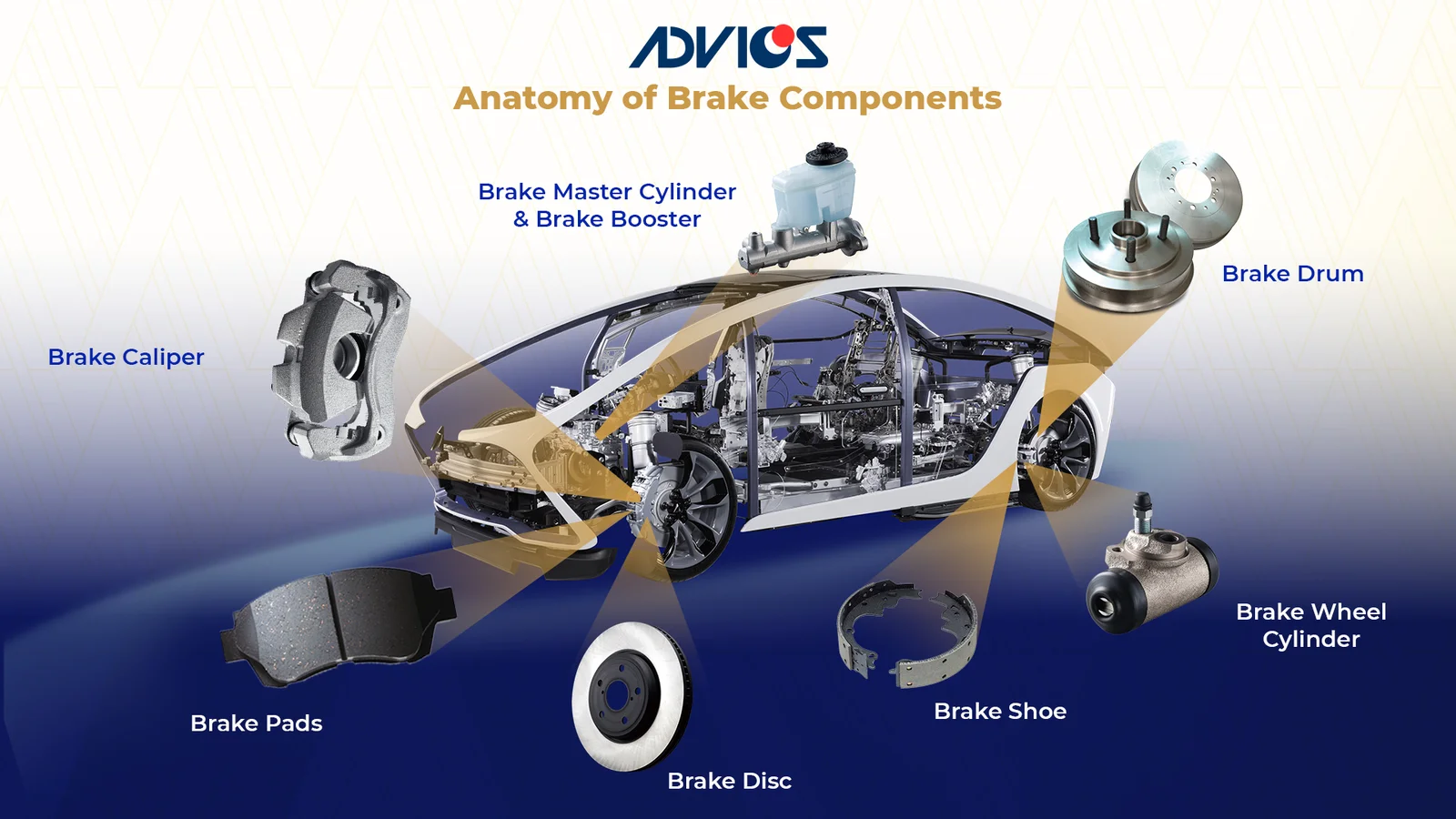
Brake pads are only one part of a vehicle’s braking system. ADVICS also produces a range of related components designed to support braking performance, including:
- Brake boosters
- Master cylinders
- Wheel cylinders
- Disc rotors
- Brake shoes
- Hydraulic components
Maintaining these parts becomes increasingly important for older vehicles, where long-term wear can affect overall braking efficiency.
Brake Fluid Plays a Critical Role
Brake fluid is another essential component that often goes unnoticed during routine maintenance.
The fluid converts the force applied to the brake pedal into hydraulic pressure, allowing the braking system to slow the vehicle effectively. Over time, brake fluid can absorb moisture, which may reduce braking efficiency and potentially lead to corrosion within the system.
Brake fluids produced by AISIN are formulated using synthetic oil and are designed to help maintain lubrication, regulate pH levels, and protect internal brake components.
Regular inspection and replacement of brake fluid can help maintain reliable braking performance, particularly in aging vehicles.
Keeping safe for everyday travel
Many vehicles remain on the road for well over a decade, especially in markets where long-term car ownership is common. As cars age, preventive maintenance becomes increasingly important to maintain safety and reliability.
Checking brake pads, brake fluid, and related components can help drivers avoid costly repairs and ensure consistent braking performance. For older cars in particular, proactive brake maintenance is one of the most effective ways to keep vehicles safe for everyday commuting and long-distance travel.