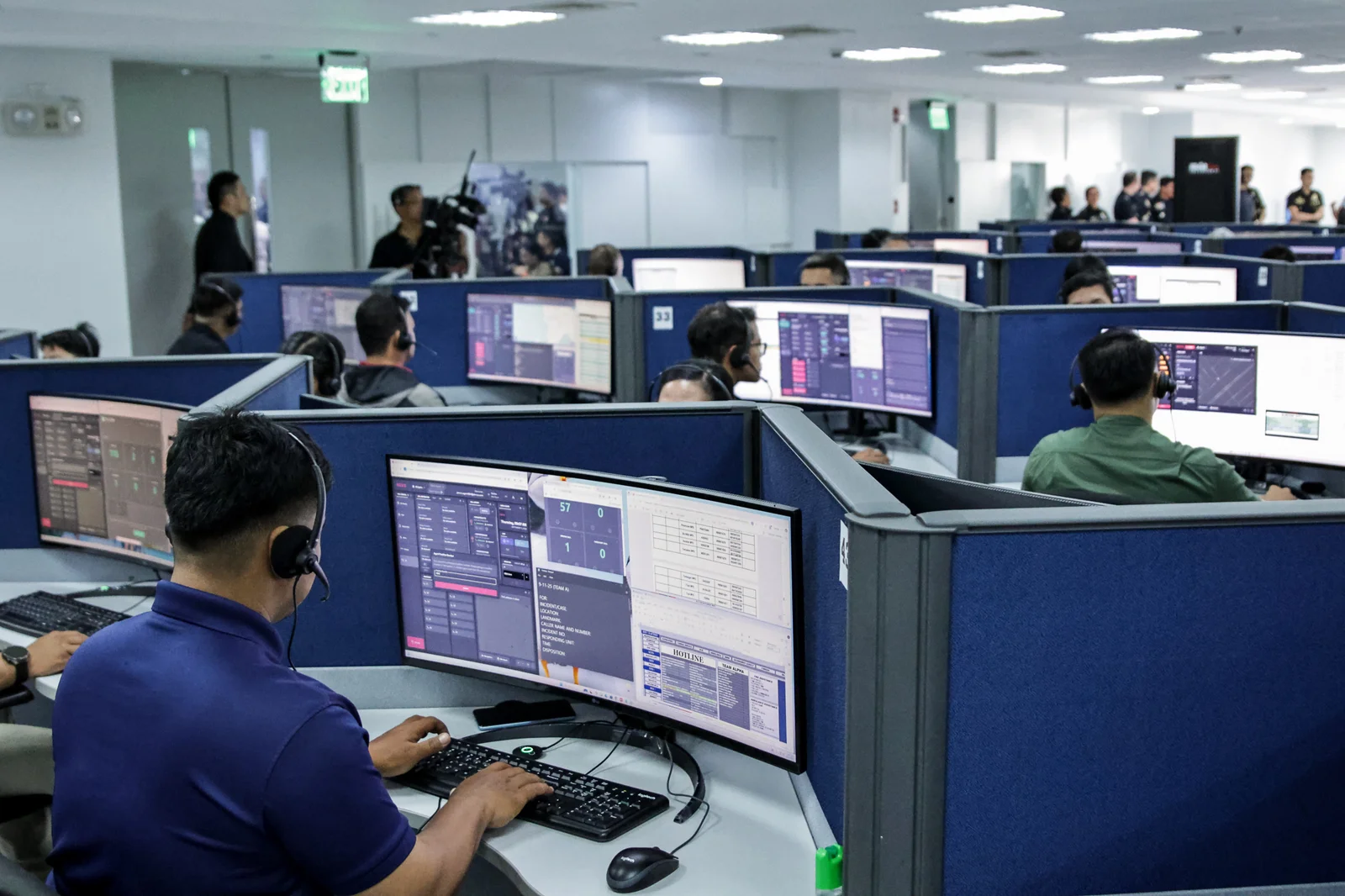
The Philippines’ Unified 911 Emergency Response System is nearing full rollout, with new communication technologies now deployed to frontline agencies. The project, currently around 60% complete, aims to modernize emergency response nationwide by improving coordination, speed, and real-time information sharing.
Led by NGA 911 Philippines, the initiative equips the Bureau of Fire Protection and Philippine National Police with next-generation tools designed for mission-critical operations.
Push-to-Talk over Cellular powers next-gen emergency response
At the core of the system is Push-to-Talk over Cellular (PoC) technology, enabling responders to communicate instantly using mobile networks instead of traditional radio infrastructure.
Unlike legacy systems, PoC runs on 4G and 5G connectivity, removing limitations such as line-of-sight requirements and repeater dependency. This allows responders to stay connected across remote areas and disaster zones where conventional radios often fail.
The rollout includes:
- 15,000 PoC handheld devices distributed to fire stations nationwide
- 77 dispatch consoles installed at BFP National Headquarters
- 5,000 additional PoC licenses allocated for police operations
This deployment significantly improves interoperability between agencies, addressing long-standing coordination gaps during emergencies.

Unified platform enhances real-time coordination and data sharing
The system operates under the Nexis Suite, a secure communication platform designed to integrate multiple emergency response functions into a single interface.
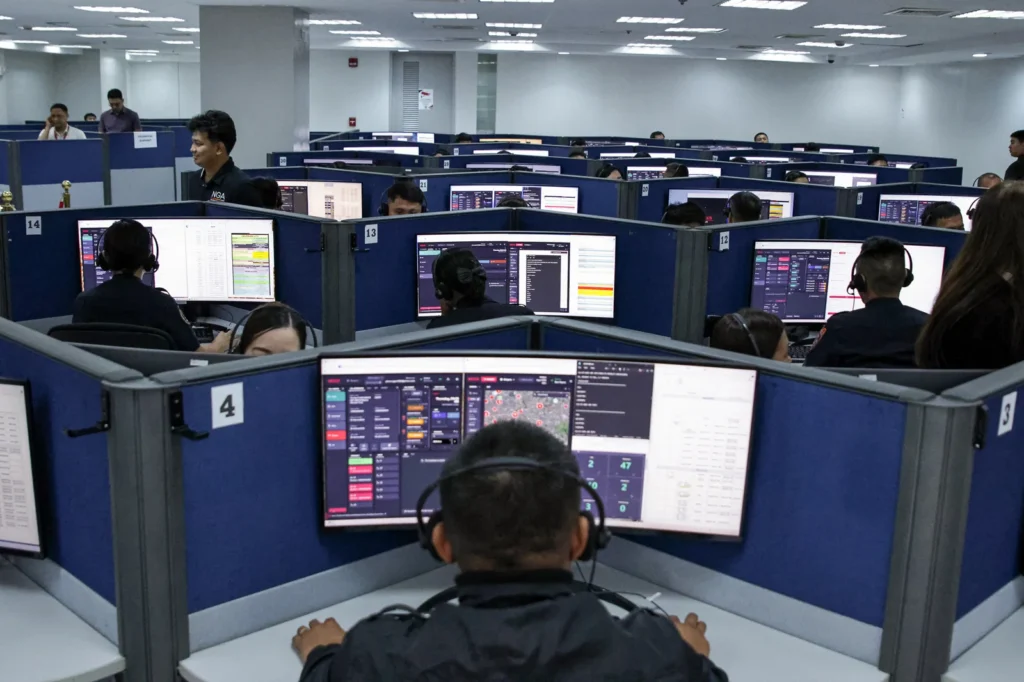
Beyond voice communication, the platform enables:
- Real-time video and image sharing
- Secure text and data transmission
- Live situational monitoring for command centers
These capabilities allow decision-makers to respond faster with better visibility on incidents, especially during large-scale disasters or multi-agency operations.
The technology mirrors systems used in Europe and aligns with similar deployments in the United States, positioning the Philippines among early adopters in Asia.
Built for field operations and accountability
The deployed devices are designed for harsh environments, featuring rugged builds, long battery life, and IP68-rated durability for resistance against dust and water.
The system also supports broader government initiatives, including the push for increased transparency in operations. Under Jonvic Remulla, the integration of body-worn camera functionality allows responders to capture real-time video during inspections and fieldwork.
This dual-purpose capability—communication and documentation—adds a layer of accountability to frontline operations.
Full nationwide rollout targeted by April
According to NGA 911 Philippines, training programs for responders, dispatchers, and system administrators are ongoing to ensure smooth adoption.
With major milestones already delivered ahead of schedule, the project is on track for full deployment by the end of April, marking a significant step toward a fully integrated national emergency response system.
Once completed, the Unified 911 System is expected to redefine how emergency services operate in the country, offering faster response times, better coordination, and improved public safety outcomes.