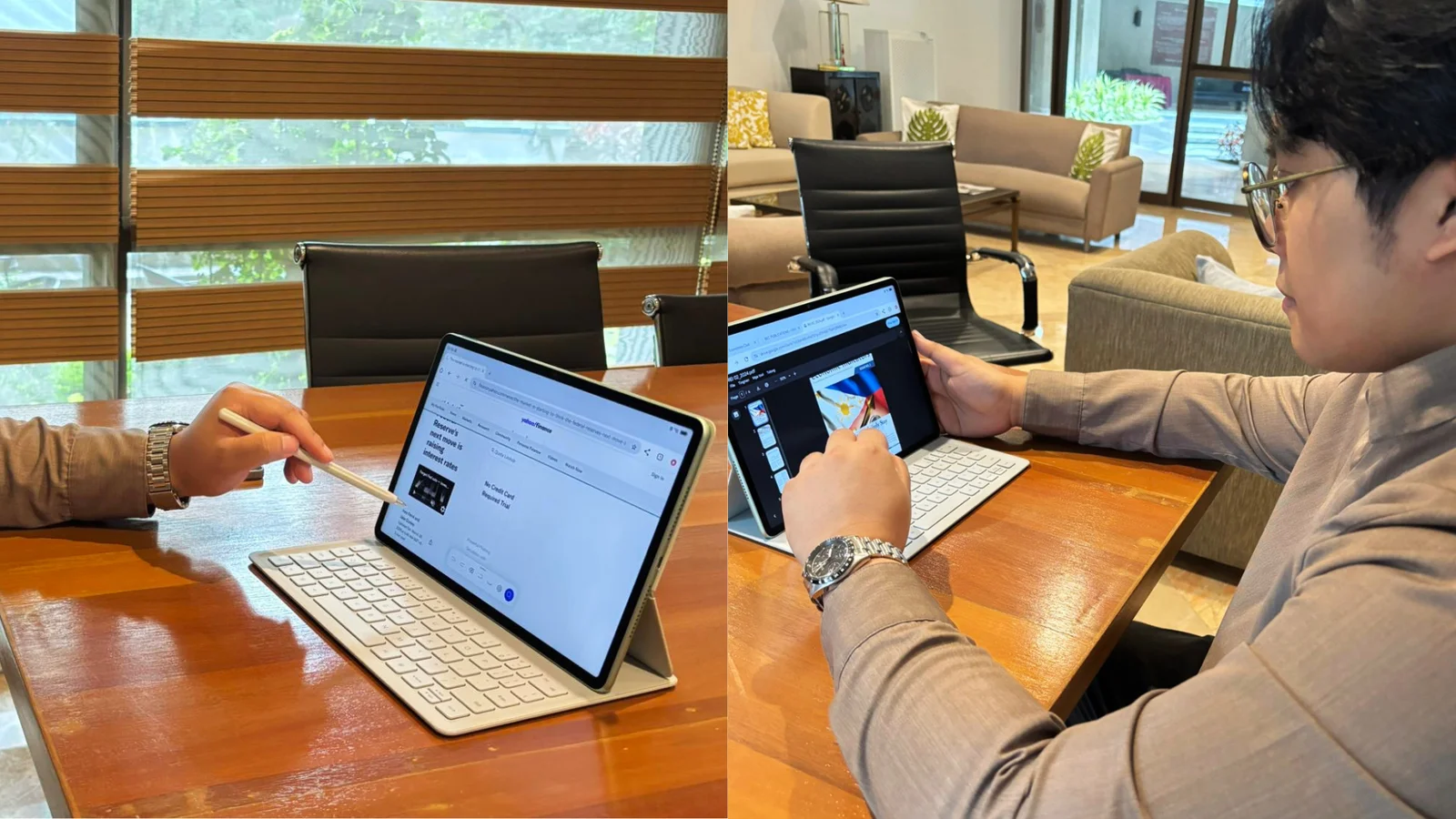
HUAWEI Philippines is positioning the MatePad 11.5 S 2026 as a next-generation learning device through a new partnership with the University of Asia and the Pacific (UA&P) School of Economics. The initiative highlights how tablets are evolving beyond media consumption into full productivity tools for higher education.
As universities adopt more hybrid and digital workflows, devices like the MatePad 11.5 S 2026 aim to bridge the gap between tablets and laptops—offering flexibility without sacrificing capability.
MatePad 11.5 S 2026 pushes 4-in-1 productivity for campus use
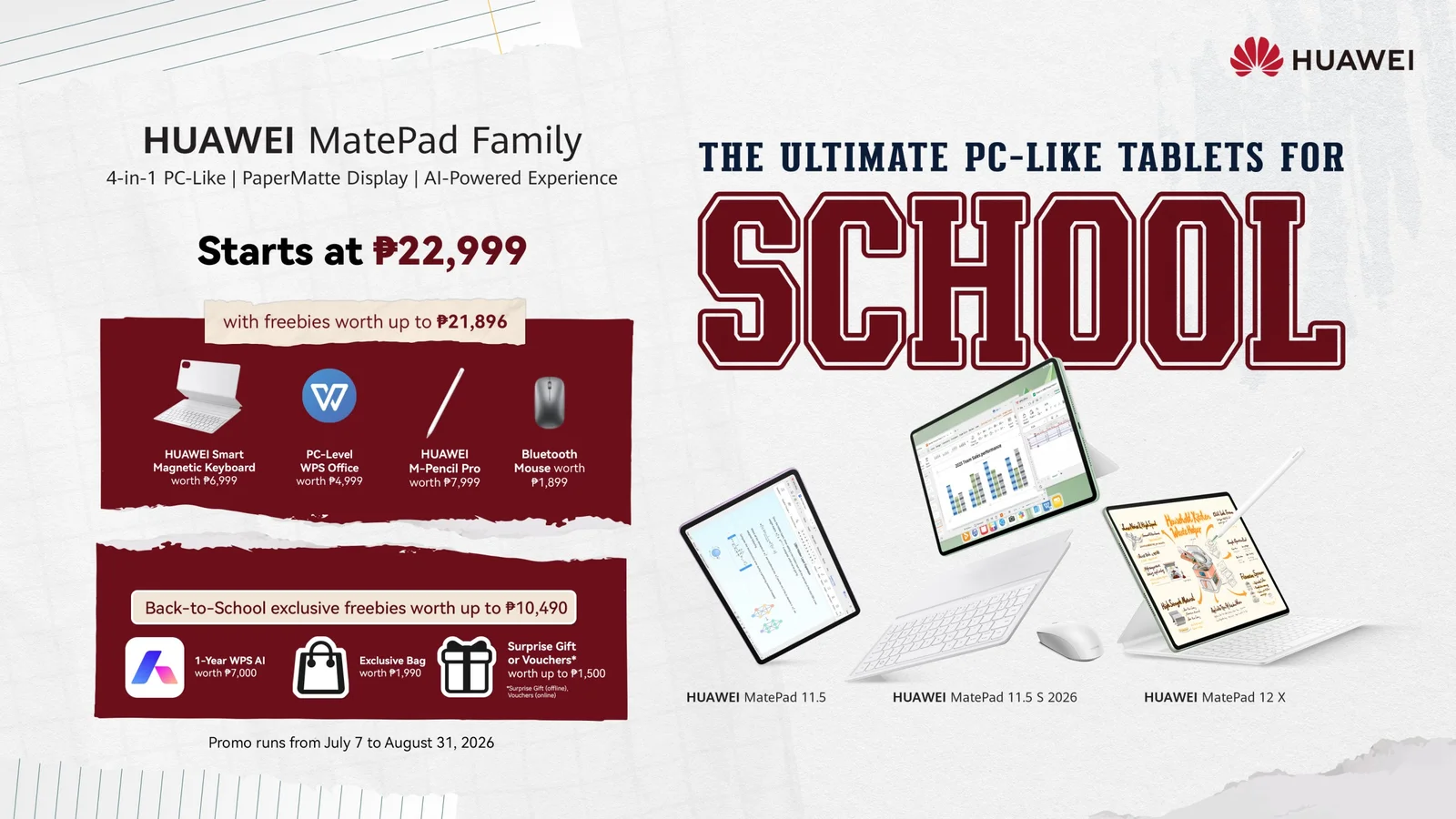
At the core of the HUAWEI MatePad 11.5 S 2026 is its 4-in-1 setup, designed to replace multiple devices students typically carry.
The ecosystem includes a Smart Magnetic Keyboard, and M-Pencil (3rd Gen), and a Bluetooth mouse.
With NearLink connectivity, the device enables low-latency input across accessories, allowing students to switch between laptop mode, note-taking, and presentations seamlessly.
This reflects a growing trend in education tech, where portability and multi-functionality are becoming essential for students managing coursework, research, and collaboration in one device.

PC-level apps and multitasking support academic workflows
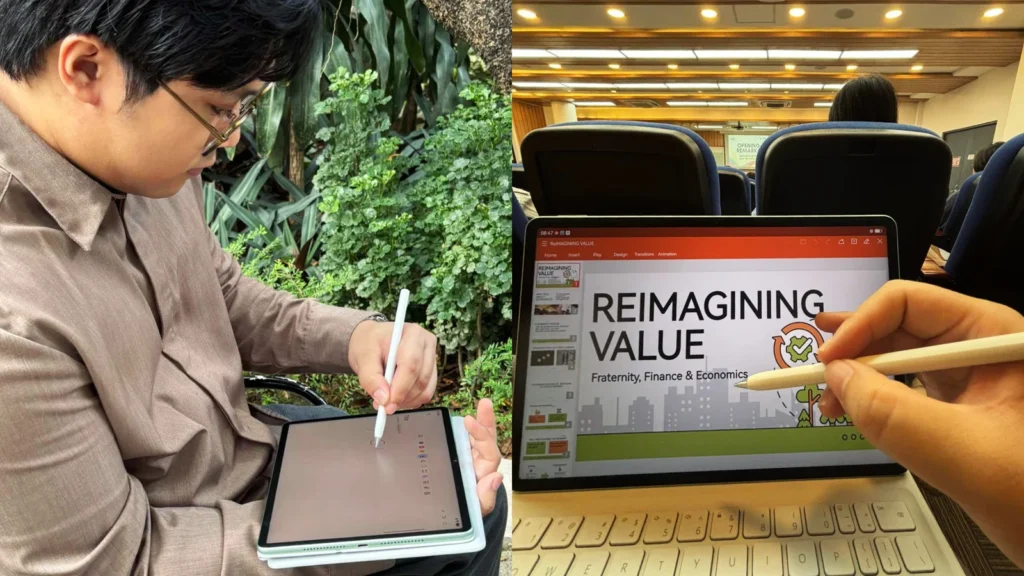
To compete with traditional laptops, the MatePad integrates WPS Office 3.0, delivering a desktop-like interface for productivity tasks.
Key capabilities include:
- Support for 40+ file formats
- Advanced tools like pivot tables and LaTeX equations
- Keyboard shortcuts for faster workflows
This allows students to handle tasks such as thesis writing, financial modeling, and presentations directly on the tablet. For educators, it also simplifies lecture preparation, grading, and virtual consultations.
The shift toward tablet-based productivity aligns with the increasing demand for lighter, more flexible devices in academic environments.
PaperMatte display addresses long study hours
One of the standout features is the 11.5-inch 2.8K PaperMatte display, designed to reduce eye strain during extended use.
It offers:
- Anti-glare etching that reduces reflections by up to 50%
- 99% ambient light interference reduction
- 144Hz adaptive refresh rate
- Up to 500 nits brightness
The screen mimics a paper-like writing experience, making it more suitable for reading dense materials and annotating documents—key use cases for students and faculty alike.
As screen fatigue becomes a growing concern, display comfort is emerging as a major differentiator in the tablet market.
Creative tools expand beyond traditional note-taking
Beyond productivity, the MatePad 11.5 S 2026 integrates apps like HUAWEI Notes and GoPaint to support creative workflows.
Features include:
- AI Equation Recognition for math-related tasks
- Note Replay for reviewing lectures
- 150+ brushes for visual design and diagrams
These tools allow students to visualize complex concepts, from economic models to data visualizations, reinforcing the role of tablets in both analytical and creative disciplines.
Built for portability and all-day performance
The MatePad balances performance with mobility, featuring:
- 6.1mm thin design
- 515g weight
- 8,800mAh battery with 40W fast charging
It also includes a custom cooling system to maintain performance during multitasking, such as running video calls alongside research tools.
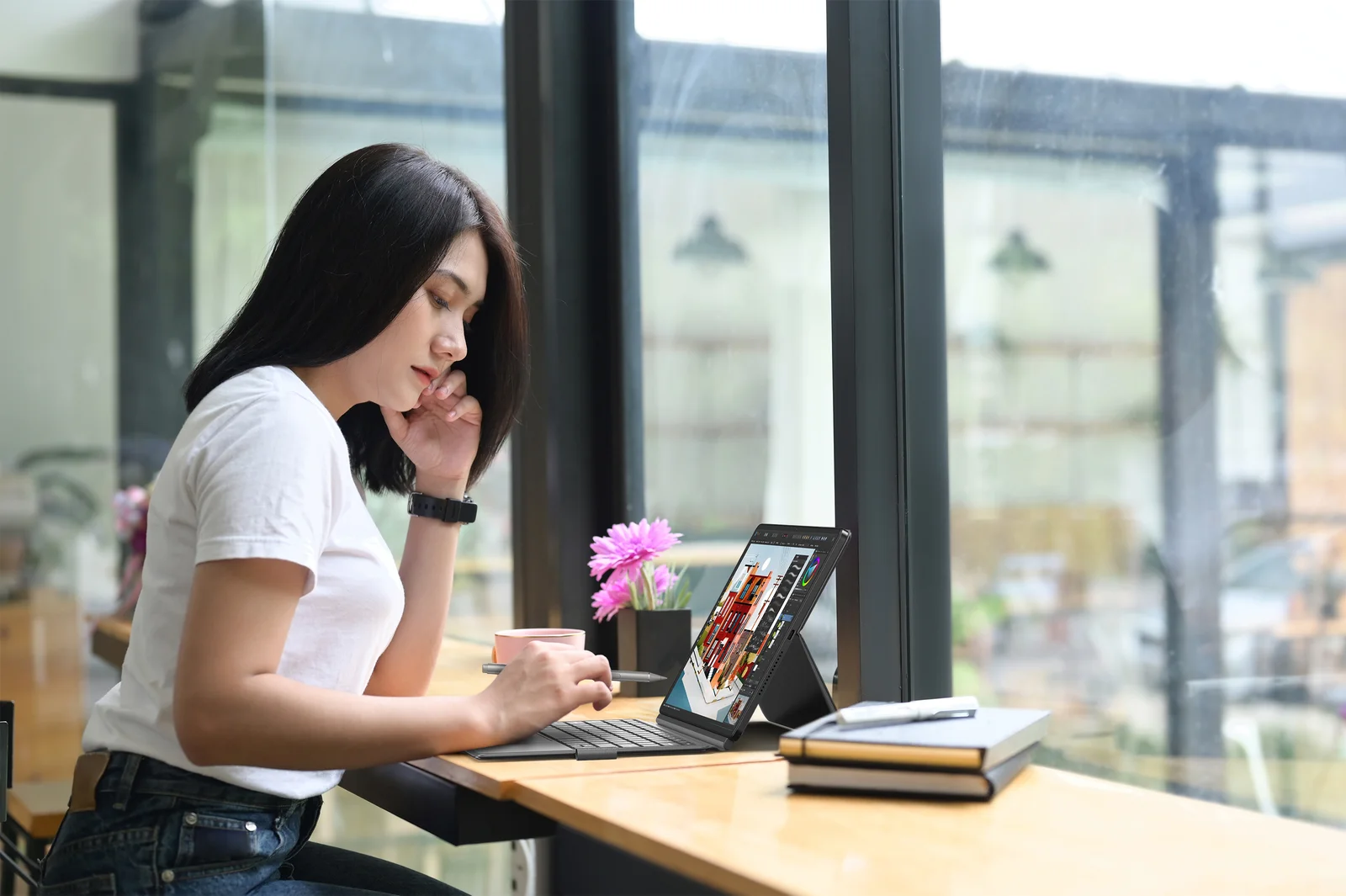
This combination targets students who need a reliable device across different environments—from classrooms and libraries to cafés and home setups.
Student discounts highlight push into education sector
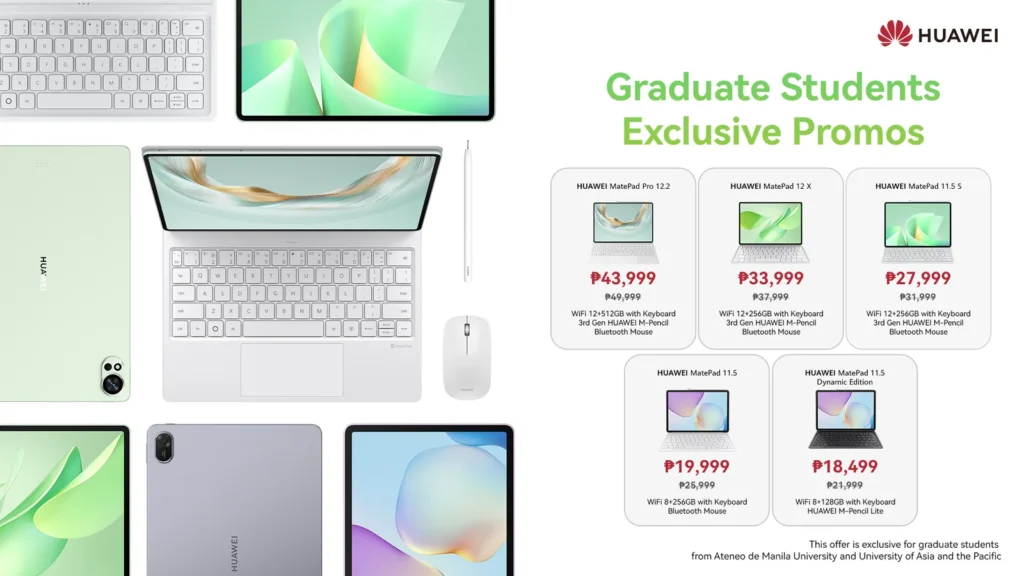
HUAWEI is reinforcing its education push by offering exclusive discounts for UA&P students from April 1 to 30.
Participating models include the MatePad Pro 12.2, MatePad 12 X, MatePad 11.5 S, MatePad 11.5 (2025), and the MatePad 11.5 Dynamic.
This strategy mirrors broader industry efforts to capture the student market, where device ecosystems often influence long-term brand loyalty.
Tablets continue to challenge laptops in higher education
With the MatePad 11.5 S 2026, HUAWEI is making a clear case for tablets as primary academic devices rather than secondary tools.
By combining PC-level software, stylus input, and display innovation, the device reflects how the line between tablets and laptops is becoming increasingly blurred—especially in education, where flexibility and portability now matter as much as raw performance.