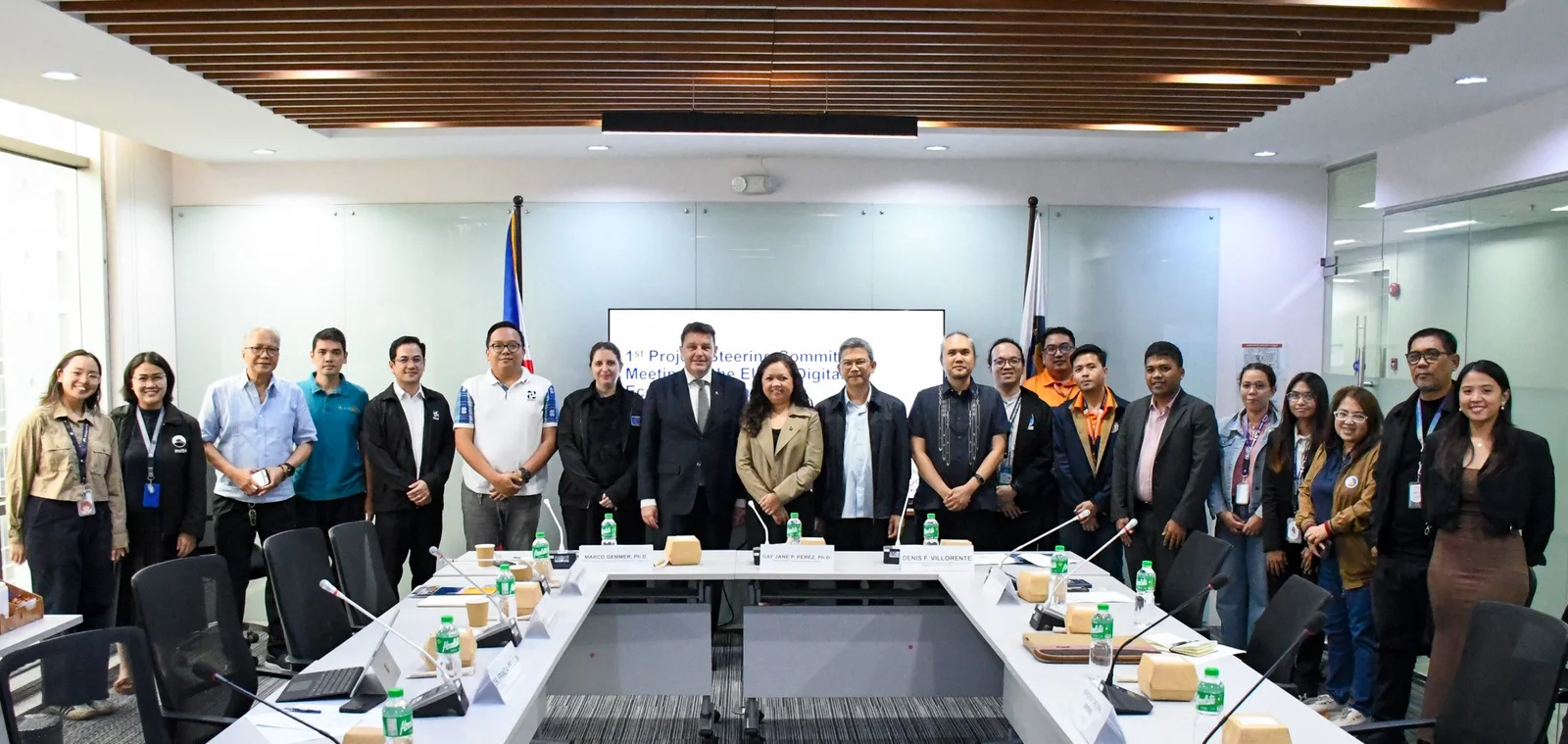
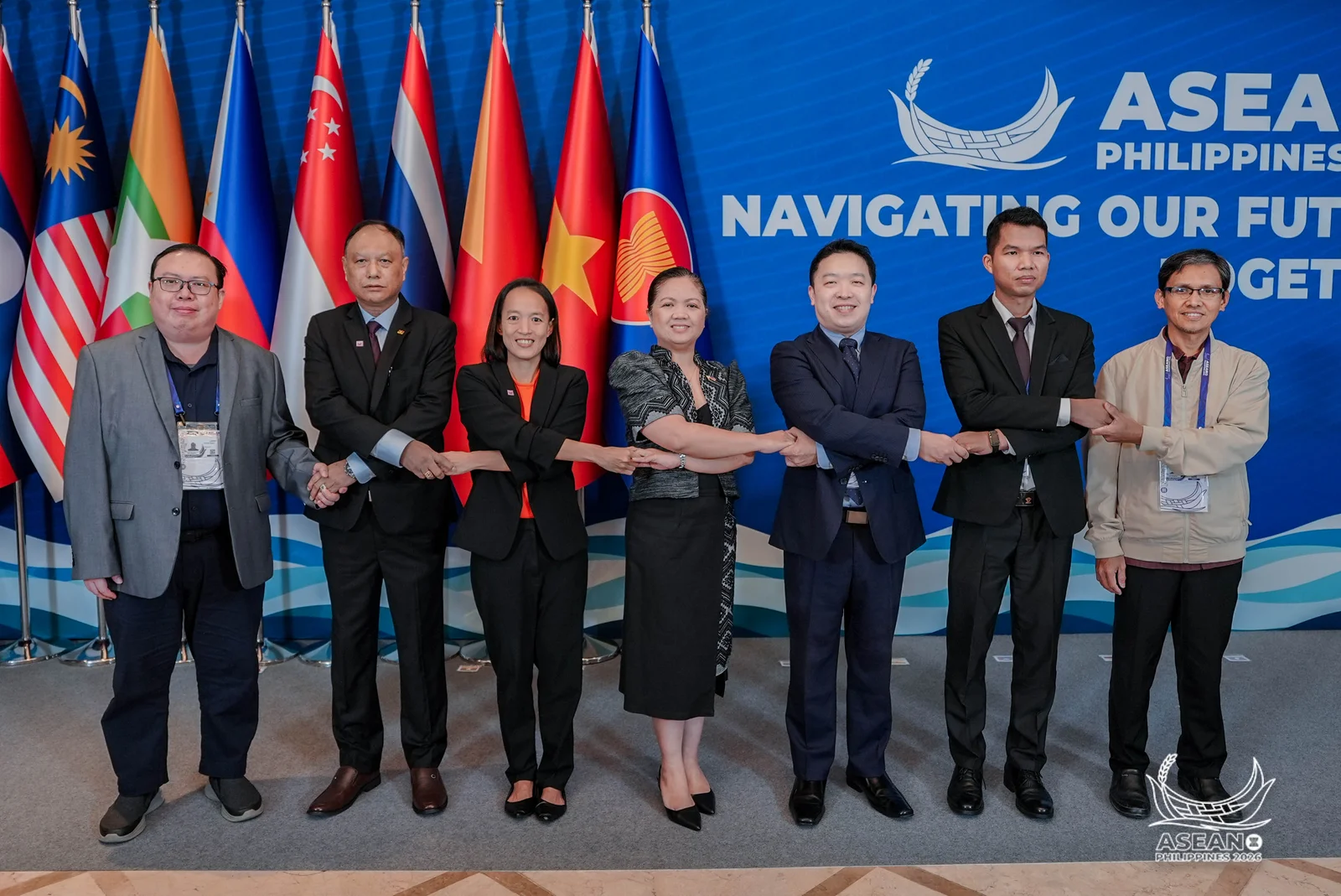
The Philippine Space Agency (PhilSA), together with United Nations Office for Outer Space Affairs and Geo-Informatics and Space Technology Development Agency (GISTDA), convened a regional workshop in Manila to address growing risks in Earth’s orbit.
Held on March 12–13, 2026, the ASEAN Space Situational Awareness (SSA) and Space Traffic Management (STM) Seminar-Workshop brought together policymakers, technical experts, and industry stakeholders to strengthen coordination as satellite congestion increases.
Space congestion raises risks for satellites and critical services
As global launch activity accelerates, managing orbital traffic has become a pressing issue. Governments and operators now face increasing risks from satellite collisions, space debris, and reentry hazards.
The workshop focused on improving two key areas:
- Space Situational Awareness (SSA) for tracking and predicting objects in orbit
- Space Traffic Management (STM) for coordinating actions between operators to avoid collisions
Discussions also covered space weather impacts, regulatory frameworks, and the need for real-time data sharing across borders.
For Southeast Asia, the stakes are high. Satellite systems support critical sectors such as disaster response, aviation, shipping, and digital connectivity—making space safety directly tied to economic and public service stability.

Philippines pushes expanded scope for regional space frameworks
PhilSA used the platform to advocate for a broader regional approach that goes beyond orbit monitoring. The agency highlighted risks from rocket debris and uncontrolled reentry, which can affect both airspace and ground populations.
The Philippines proposed that ASEAN cooperation should cover the entire lifecycle of space objects. These includes launch and staging events, orbital operations, and reentry and debris management
This approach reflects a shift toward more comprehensive space governance as launch frequency continues to rise globally.
New PhilSA–UNOOSA partnership strengthens collaboration
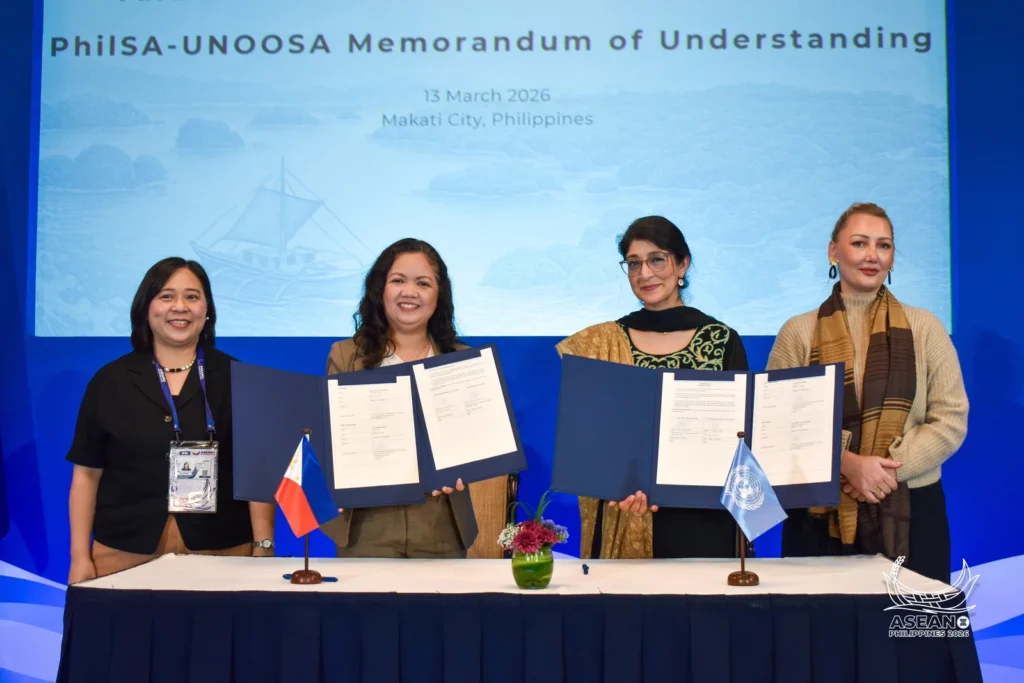
On the sidelines of the workshop, PhilSA and United Nations Office for Outer Space Affairs formalized a partnership through a memorandum of understanding.
The agreement expands cooperation in several areas:
- Space law and policy development
- Disaster risk reduction using space-based data
- Capacity-building and technical training
- Public engagement and education initiatives
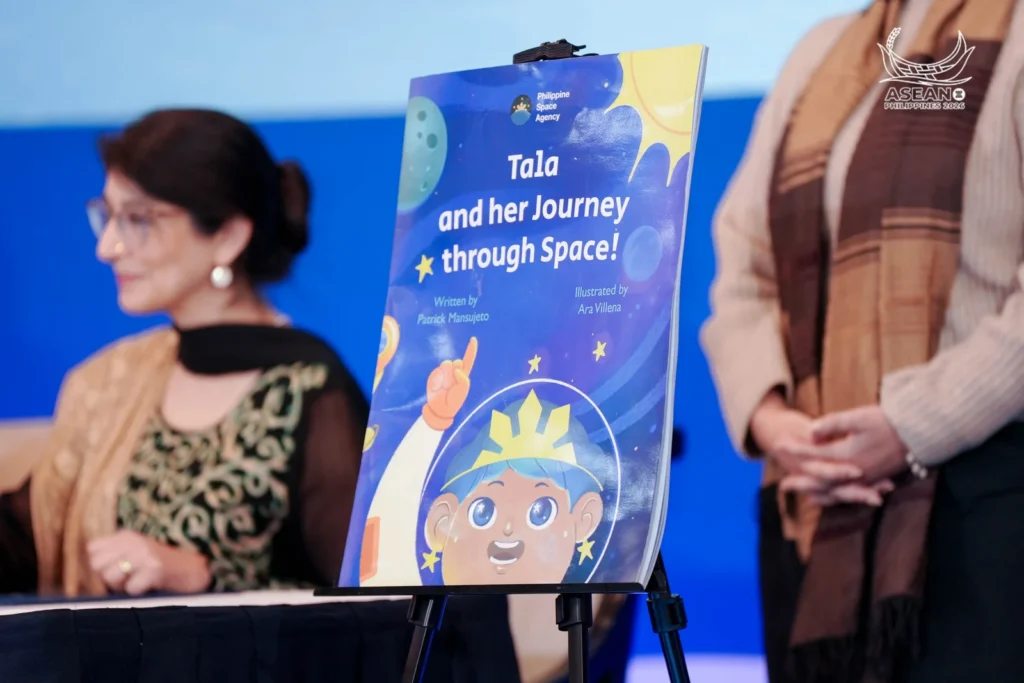
One notable outcome includes the global rollout of a Philippine-developed children’s book on space law, which will be translated into multiple UN languages to promote awareness and international cooperation.
ASEAN eyes formal declaration on space cooperation
The workshop forms part of broader efforts to strengthen ASEAN’s role in space governance, especially as the Philippines chairs the regional bloc this year.
A proposed ASEAN Declaration on Space Cooperation is expected to outline shared commitments in:
- Space science and technology development
- Regional data-sharing frameworks
- Sustainable and secure space operations
The move signals ASEAN’s intent to transition from individual national efforts to a more coordinated regional strategy in managing space activities.
Why this matters for the region
As Southeast Asia expands its space capabilities, coordination will be critical to ensuring safety, sustainability, and long-term access to orbital resources.
The Manila workshop highlights a growing recognition: space is no longer a niche domain, but a shared infrastructure layer that underpins modern economies. Strengthening cooperation now could help ASEAN mitigate risks while unlocking the full potential of space-based technologies.