
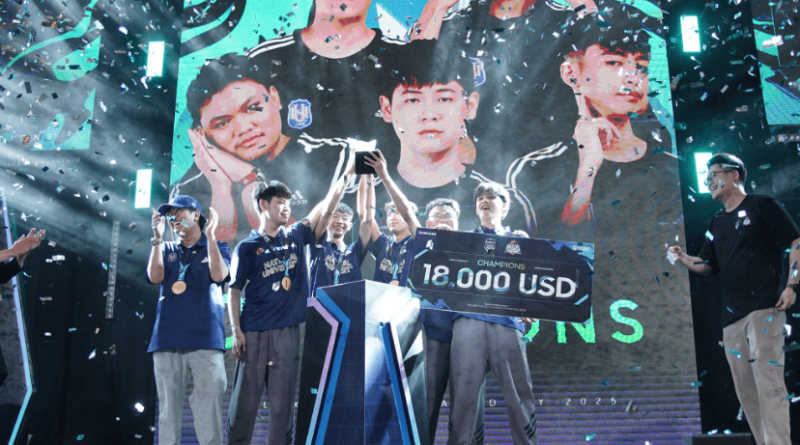
NU Bulldogs Triumph in Galaxy Gaming Academy Campus Series
NU Bulldogs Triumph in Galaxy Gaming Academy Campus Series
A New Era for Collegiate Esports
Esports on campus just leveled up. No longer confined to dorm rooms and LAN cafes, student gamers from four countries squared off in the first-ever Galaxy Gaming Academy x MLBB Campus Series 2025. This inter-country clash—backed by Samsung and MOONTON Games—marked a watershed moment for collegiate gaming in Southeast Asia. It wasn’t just about bragging rights. It was about forging an esports pipeline where raw talent meets world-class support and a $40,000 prize pool.
Cross-National Grand Finals in Jakarta
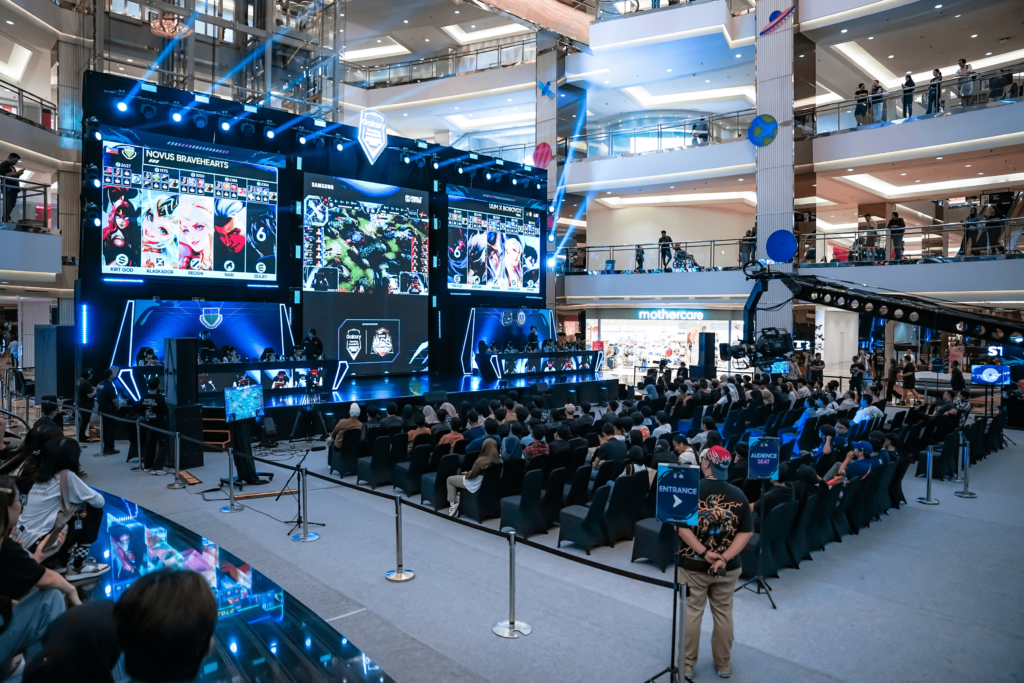
From June 20 to 22, Taman Anggrek Mall in West Jakarta transformed into an esports arena. Eight campus champions—two each from Indonesia, Philippines, Malaysia, and Singapore—battled under neon lights and roaring crowds. Over 1,000 teams had entered domestic qualifiers. Only sixteen remained in offline nationals. Then eight advanced to Jakarta’s semifinals. Finally, two stood tall in the best-of-seven Grand Finals. This was more than a tournament; it was the region’s campus esports coming of age.
NU Bulldogs’ Road to Victory
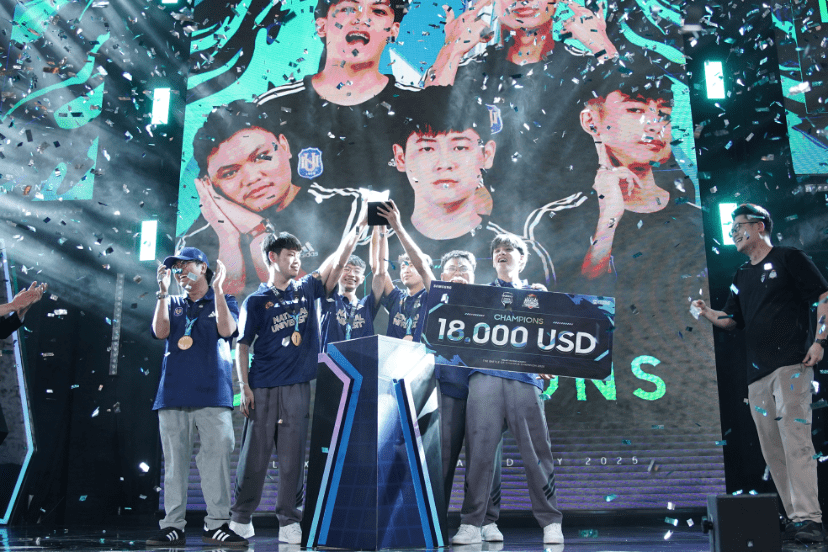
Hailing from the National University (NU) in Manila, the Bulldogs arrived in Jakarta armed with strategies honed through marathon boot camps. Coach Patrick Balanquit emphasized adaptability and mental resilience. Their draft picks favored high-pressure early ganks and lightning-fast rotations. In Game One of the finals, they crushed the map with surgical precision. Game Two saw a fierce comeback from the FAITH NOVUS Bravehearts, the second Filipino team, but the Bulldogs adapted mid-series. By Game Four, their teamfights synchronized like clockwork, and by Game Five, they closed the series 4–1, earning the $18,000 top prize.
Podium Finishers and Prize Distribution
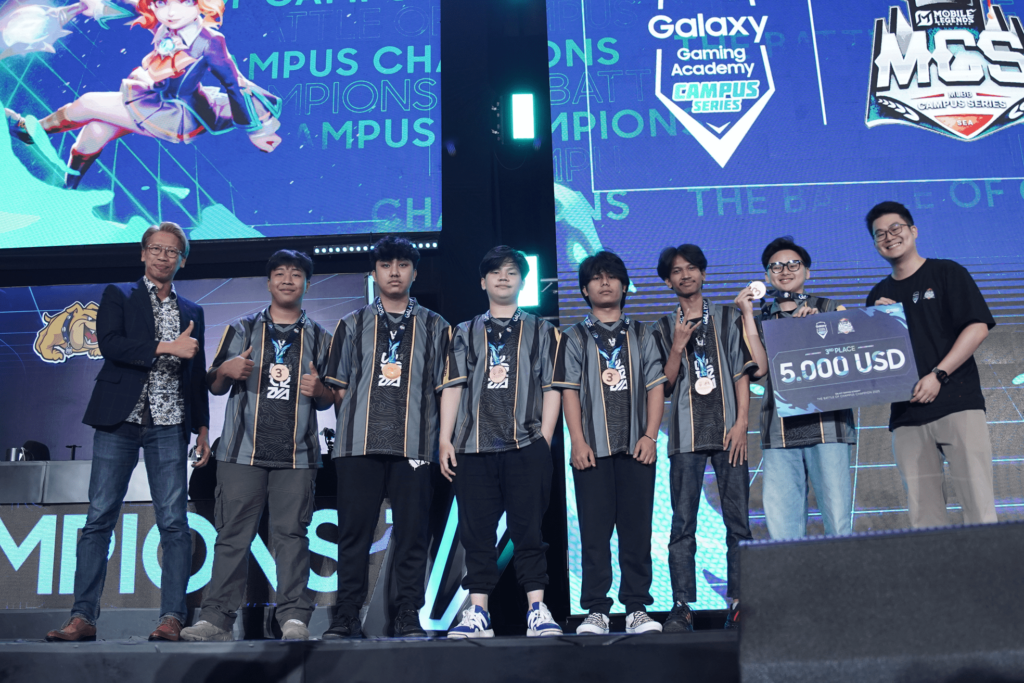
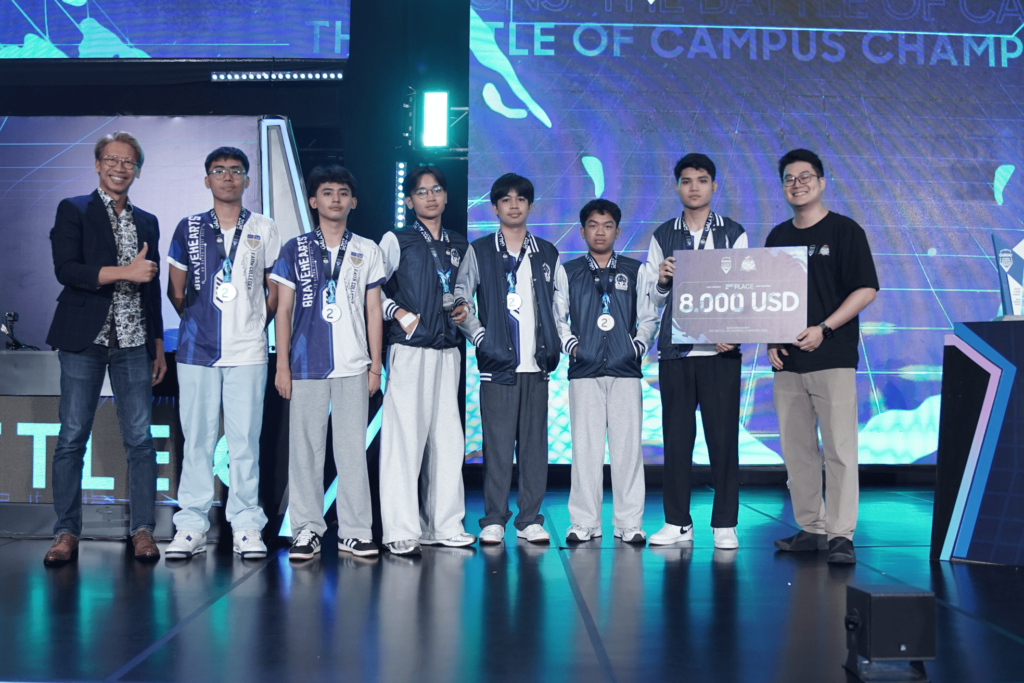
It wasn’t a clean sweep for the Philippines. The FAITH NOVUS Bravehearts claimed silver, pocketing $8,000 after a spectacular run that included a reverse sweep in the semifinals. Local favorite VL Team from Indonesia took bronze and $5,000, thrilling home fans with precise map control and clutch late-game plays. Each finalist walked away with more than cash. They earned scouting nods from pro outfits—EVOS, Onic, Team Liquid, and Dewa United—all present to scout emerging stars.
Galaxy S25 Ultra Powers Pro-Level Play
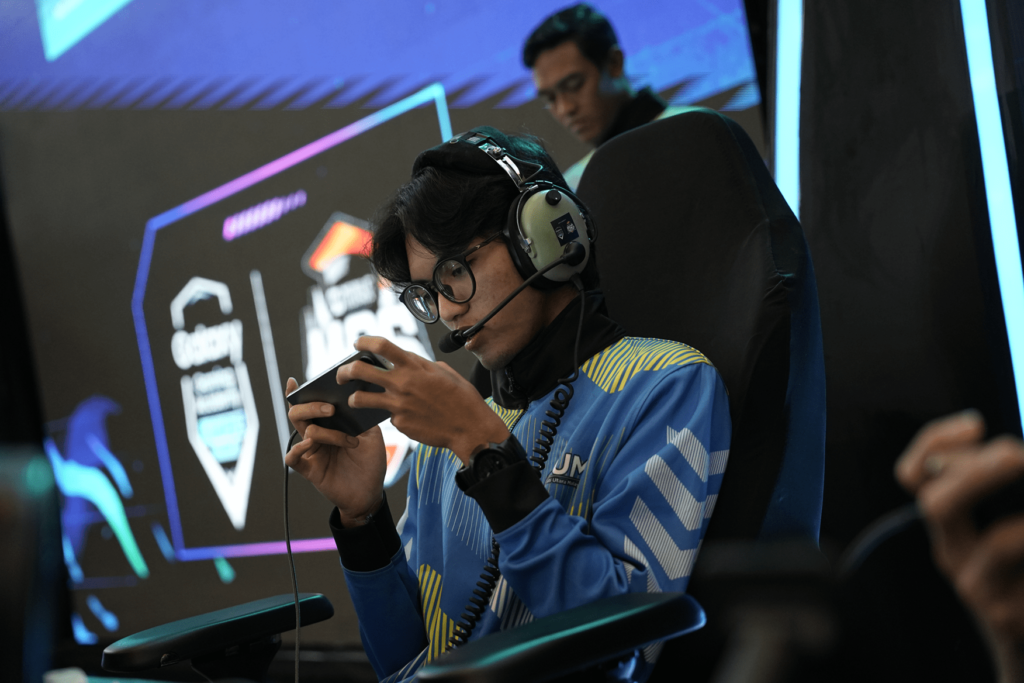
Samsung’s flagship Galaxy S25 Ultra was the official tournament device. Its Snapdragon 8 Gen 3 chipset, 120 Hz AMOLED display, and advanced cooling system meant no frame drops and snappy inputs. Players lauded the device’s 1200 Hz touch sampling for pinpoint accuracy and its adaptive refresh rate for battery endurance through six-hour match days. When millisecond decisions define victory, having a tournament-grade phone removed any technology doubts.
Professional Pros Support and Scouting Opportunities
Beyond prize money, the event bridged campus and pro circuits. Representatives from established esports teams hosted mentorship fireside chats. Onic’s jungler walked teams through decision-making under pressure. Team Liquid’s analysts broke down patch meta shifts. Recruitment tables lined the venue, offering trial contracts and scholarship prospects. For many student players, this was their first taste of a structured pro ecosystem—complete with performance coaches, nutrition planners, and mental-strength workshops.
Tournament Structure and Regional Qualifiers
The Campus Series unfolded in three stages:
- Open Registration (March 15–April 6): Any university team could sign up online.
- Domestic Qualifiers: April 7–May 11, featuring online brackets. Indonesia added an offline national stage (April 19–May 25) due to high registrations. Malaysia, Singapore, and the Philippines ran straight online qualifiers.
- Cross-National Grand Finals: June 20–22 in Jakarta. The top two from each country advanced to the live finals, ensuring balanced regional representation.
Each qualifier sharpened strategies and built community pride. Universities organized watch parties and campus rally events, creating a festival atmosphere beyond the screens.
High-Level Gameplay and Tactical Mastery
What stood out at GGA x MCS 2025 wasn’t just flashy micro skills. It was macro decision-making. Teams executed objective prioritization—towers, turtles, Lord—like seasoned pros. Draft phases unfolded in under 90 seconds, with coaches calling picks via cloud-based voice comms. The Bulldogs’ near-flawless zoning fights and the Bravehearts’ counter-push rotations showcased deep meta understanding. These weren’t weekend warriors; these were future pros in training.
Community Engagement and Fan Experience
Fans weren’t mere spectators. Interactive zones let them test their own MLBB skills on demo kiosks. Cosplayers dressed as hero skins paraded the halls. A content creation booth produced on-the-spot TikTok highlights. Raffle winners took home Samsung Gear for their own streaming setups. Social media exploded with hashtags like #GGAxMCS2025 and #GoBulldogs, propelling campus esports into mainstream conversation across Facebook, Instagram, and Twitter.
Structured Pathways to Pro Careers
This Campus Series cemented a talent pipeline. Winning players earned invites to Galaxy Gaming Academy training camps—esports boot camps co-run by MOONTON and Samsung. There, they’ll refine shot-calling, advanced team synergy, and mental conditioning. Talent scouts from professional teams will monitor leaderboard standings and training metrics via a shared performance dashboard. By offering scholarships, stipends, and pro-team placements, GGA x MCS 2025 lowers barriers to entry and helps promising students turn gaming passion into viable careers.
Tech and Community Blueprint for Replication
The success formula is clear: combine global-grade tech, structured competitive format, and regional inclusivity. The tournament’s Samsung devices ensured hardware parity. MOONTON’s bracket system and anti-cheat measures guaranteed fair play. Local campus ambassadors drove grassroots engagement. Post-event surveys showed 90 percent of participants want more campus events—and 75 percent expressed interest in forming esports clubs at their universities. Stakeholders in other regions could replicate this model: partner with device sponsors, integrate online and offline qualifiers, and prioritize community-driven fan zones.
Sub section title: Pageantry of College Pride
University logos adorned stage screens. School marchers in team jerseys paraded at opening ceremonies. The energy was electric. Each campus delegation carried flags, chanted their alma maters, and wore custom team merch. This pageantry reminded everyone that esports is an extension of student life—a new form of collegiate tradition where banners, mascots, and school spirit come alive in digital arenas.
Sub section title: Continuing the Legacy
The Galaxy Gaming Academy x MLBB Campus Series 2025 sets a high bar. Organizers plan to expand to Vietnam and Thailand next year, inviting more nations into the fold. They aim to introduce additional titles—perhaps Wild Rift or Valorant—while keeping MLBB as flagship. As part of the post-tournament roadmap, data from this year’s broadcast viewership and engagement metrics will guide improvements. What started as a pilot will become an annual cornerstone in Southeast Asia’s esports calendar.
For the latest news, please visit the Samsung Newsroom at news.samsung.com
