
Why Banning Online Gambling Fuels a Bigger Problem
Why Banning Online Gambling Fuels a Bigger Problem
The Law of Unintended Consequences
Let’s talk about the elephant in the room—or rather, the slot machine in the browser. The Philippine government is once again flirting with the idea of banning online gambling. And while the intention might be noble (protecting citizens from addiction, fraud, and other social ills), the execution could be a masterclass in how to make things worse.
According to Atty. Tonet Quiogue, head of Arden Consult, banning online gambling is like trying to fix a leaky faucet by blowing up the entire plumbing system. In a 15-page memo that reads like a legal thriller (minus the car chases), Quiogue argues that outlawing online gaming doesn’t eliminate the problem—it just drives it underground.

And when things go underground, they don’t get safer. They get sketchier.
Legal vs. Illegal: Know Your Villains
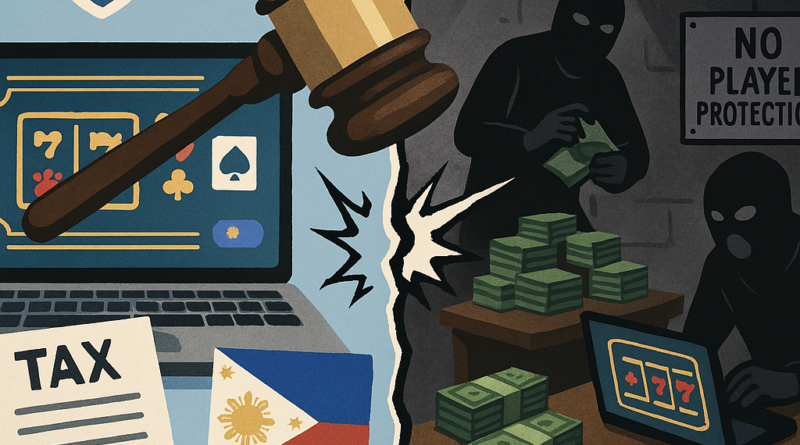
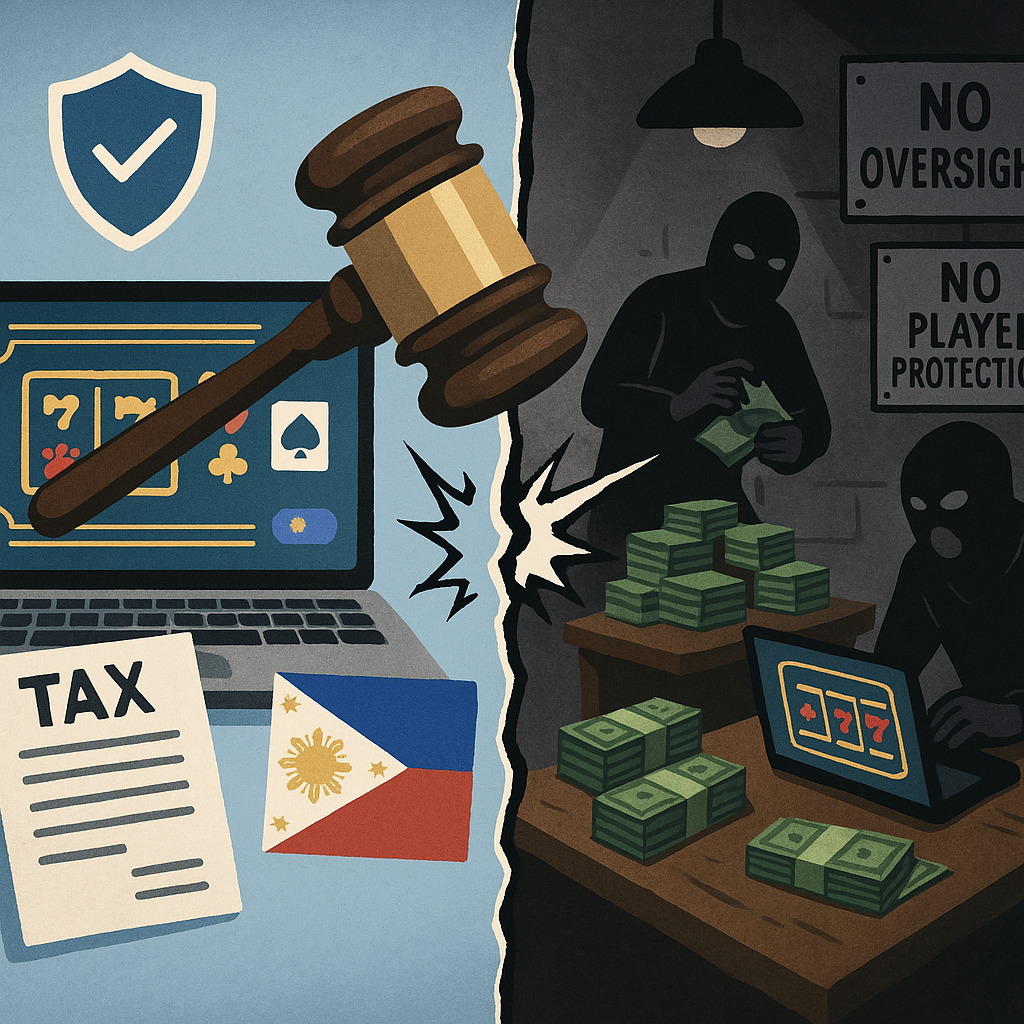
Quiogue’s memo makes a clear distinction between regulated online gaming and its shady cousin: illegal gambling. The latter is the real villain here. It’s the one that dodges taxes, ignores player protections, and operates like a digital Wild West saloon.
“Licensed platforms undergo rigorous audits,” Quiogue writes. “Their software and hardware are independently certified for fairness and security. Suspicious activities are flagged and investigated.” In other words, legal platforms are like casinos with security cameras, bouncers, and ID checks. Illegal ones? Think back-alley poker games with blindfolded referees.
So why are lawmakers lumping them together?
The Senate’s Swing and Miss
Several bills have been filed recently, including one from former Senate President Migz Zubiri. But Quiogue’s memo takes direct aim at proposals from Senators Pia Cayetano, Alan Cayetano, Joel Villanueva, and Sherwin Gatchalian.
These bills paint gambling as inherently evil, linking it to fraud, money laundering, and human trafficking. That’s quite the résumé. But Quiogue points out that there’s no evidence to support this sweeping condemnation—at least not when it comes to regulated platforms.
It’s like blaming all drivers for hit-and-runs. Sure, some people abuse the system. But most are just trying to get from point A to point B without crashing into a metaphorical wall of legislation.
PAGCOR: The Unsung Hero
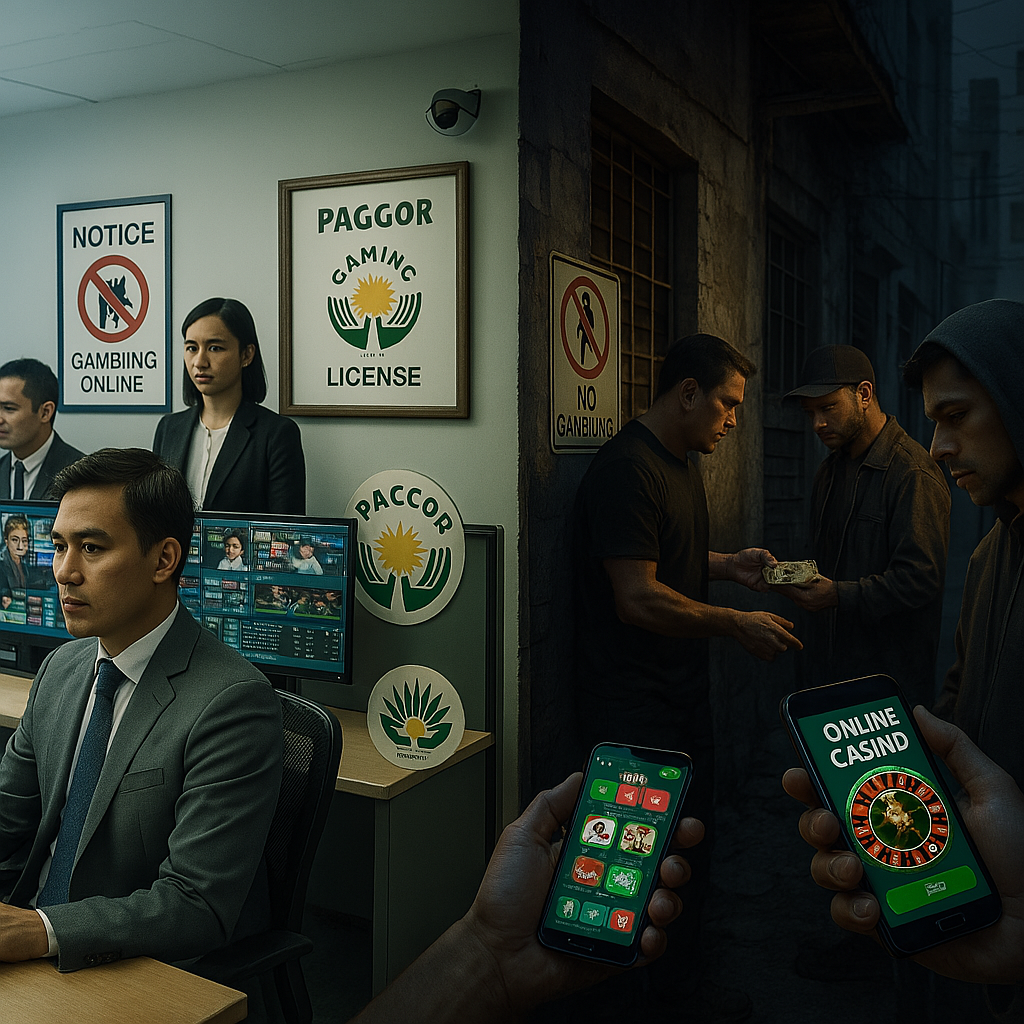
Let’s give credit where it’s due. The Philippine Amusement and Gaming Corporation (PAGCOR) isn’t just a fancy acronym—it’s the watchdog that ensures gaming platforms play by the rules.
Before any operator gets a license, they go through a digital obstacle course of audits, certifications, and compliance checks. It’s like applying for a visa to the land of online gaming. And once they’re in, they’re monitored like contestants on a reality show—minus the drama and confessional booths.
Quiogue argues that this system works. There’s a noticeable lack of criminal breaches in PAGCOR-supervised platforms. So why dismantle a functioning system?
The Global Perspective: Lessons from Abroad
Quiogue doesn’t just rely on local logic. She zooms out and looks at the global landscape. Countries like China, Vietnam, and Indonesia have banned gambling outright. The result? Massive underground markets that make the black market look like a flea market.
On the flip side, countries like the UK, Sweden, and Italy have embraced regulated gaming. Sweden, for instance, saw 85% of its bettors migrate to legal platforms. That’s not just a win—it’s a jackpot.
So what’s the takeaway? Banning gambling doesn’t stop it. It just changes the venue—from regulated websites to shady corners of the internet.
Fear vs. Facts: The Real Battle
Quiogue’s memo isn’t just a legal document—it’s a call to arms. She urges lawmakers to base their decisions on evidence, not fear. Because fear leads to knee-jerk reactions. Evidence leads to smart policy.
And smart policy is what the Philippines needs right now. Not a blanket ban that punishes legitimate operators and pushes players into the arms of criminals.
Quiogue’s final message? Don’t destroy what’s working. Fix what’s broken. And for the love of all things digital, stop treating online gaming like a villain in a telenovela.
