
Voltai Sparks Change: Battery Swapping for Two-Wheel Fleets
Voltai Sparks Change: Battery Swapping for Two-Wheel Fleets
The Arrival of Voltai and the AP01
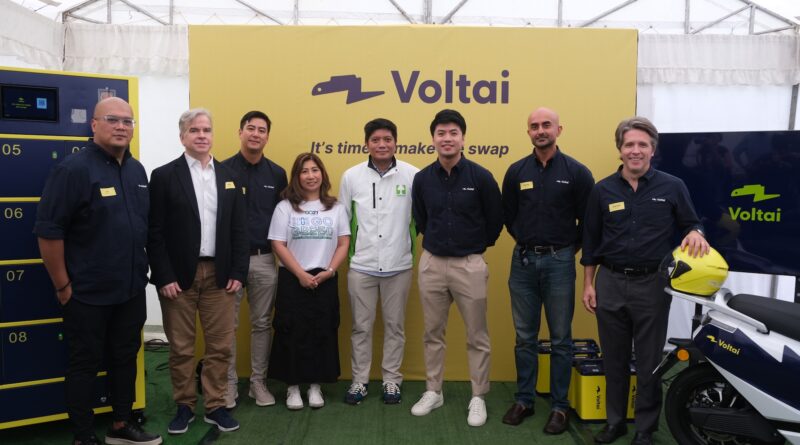
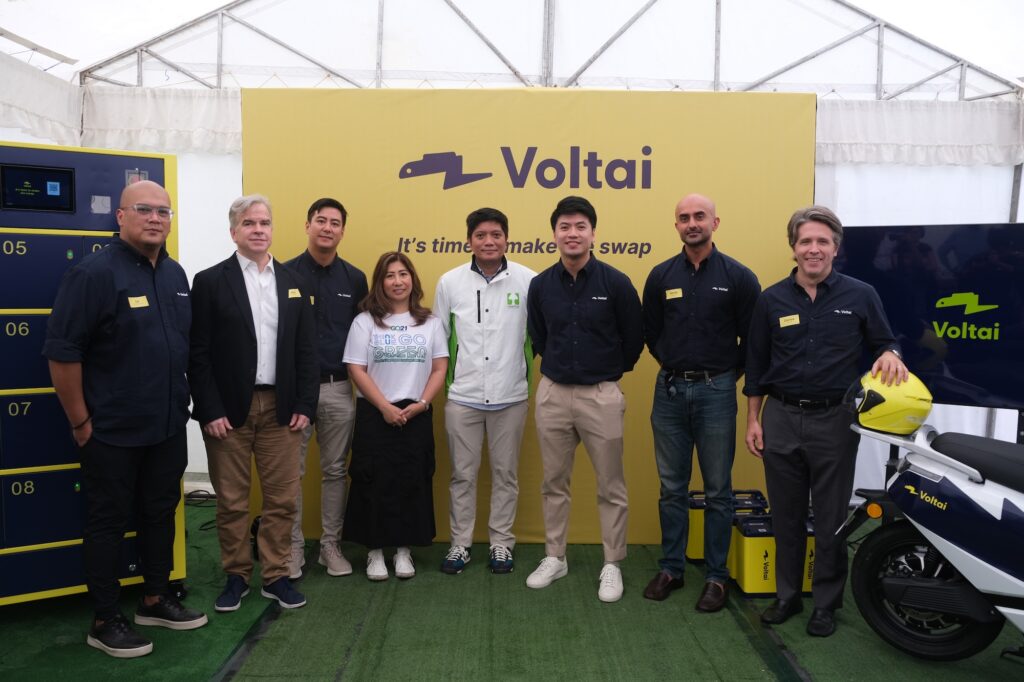
Voltai has officially entered the Philippine mobility scene with a bold proposition: make two-wheel fleets electric, and make charging obsolete. At a launch event in Pasig City, the startup unveiled its first electric two-wheeler, the AP01, alongside a battery swapping ecosystem that promises to redefine how delivery riders, logistics operators, and ride-hailing services keep their vehicles running. Voltai Sparks Change: Battery Swapping for Two-Wheel Fleets
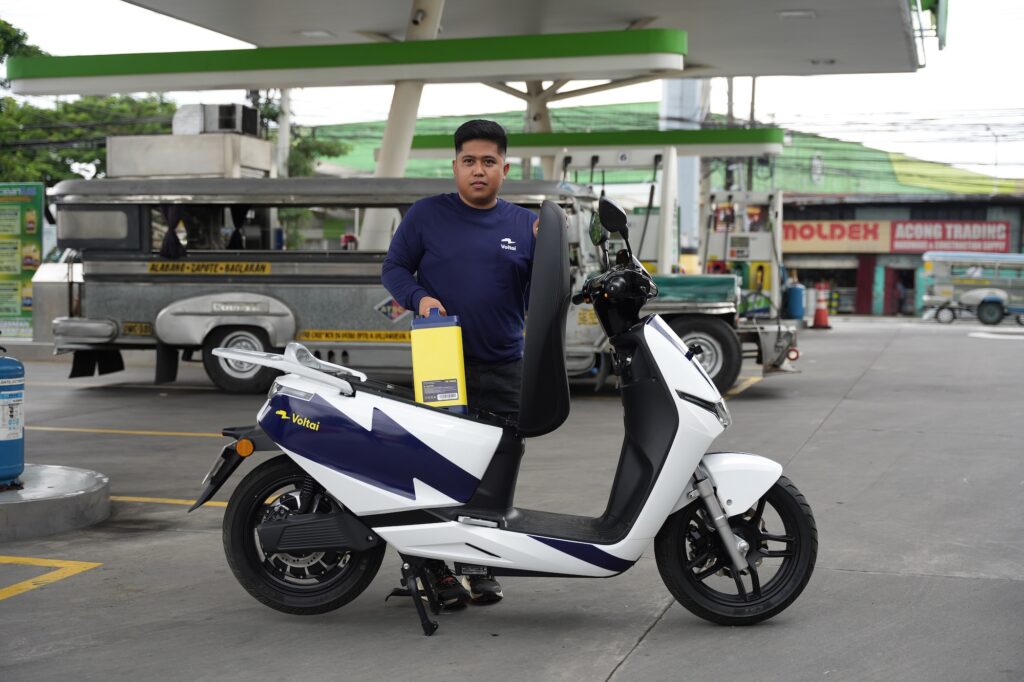
The AP01 isn’t just another e-scooter. It’s designed specifically for Philippine roads, which means it’s built to handle potholes, unpredictable traffic, and the occasional tropical downpour. But the real star of the show wasn’t the bike itself—it was the battery swapping system.

Battery Swapping: The Game-Changer
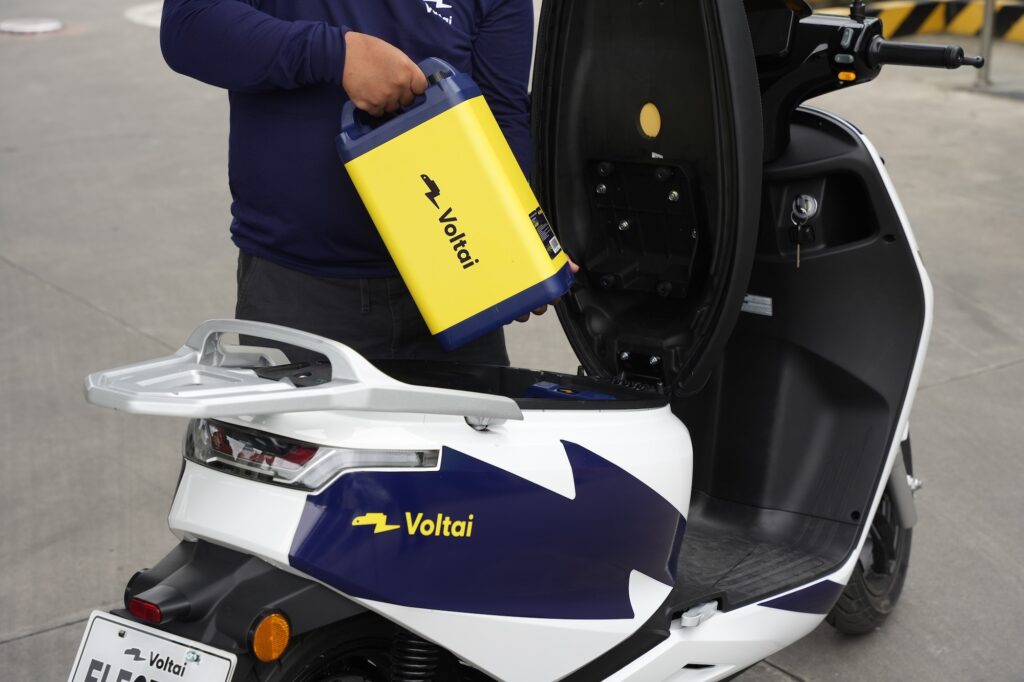
Here’s the problem with most EVs: charging takes time. Riders don’t have the luxury of waiting hours for a full charge when deliveries are piling up. Voltai’s solution is simple but powerful—swap the battery in minutes.
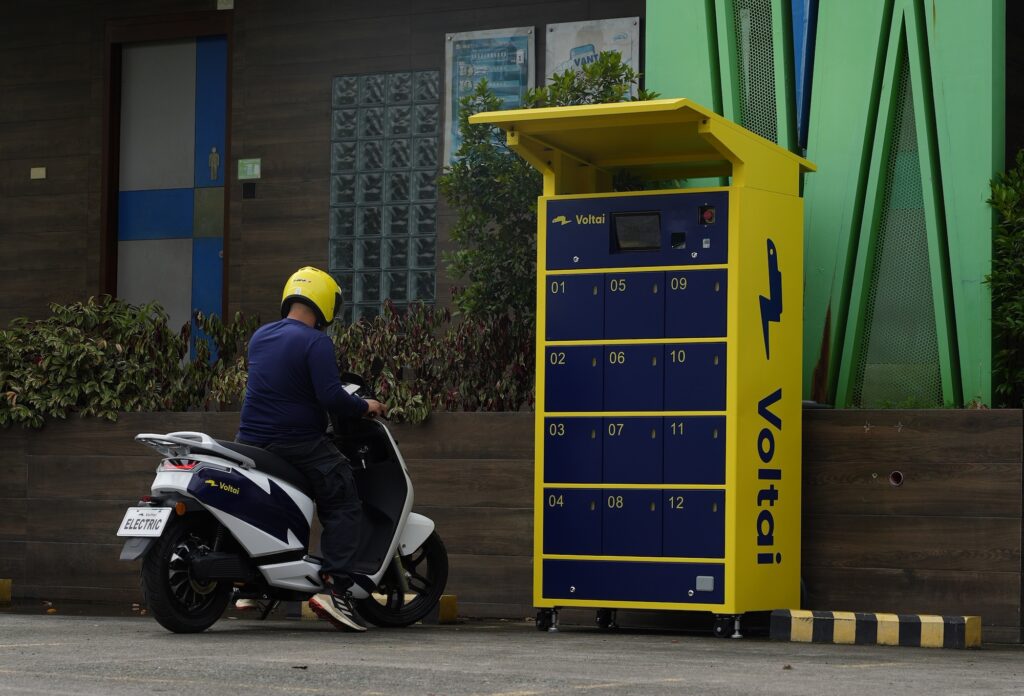
At the event, participants got to test ride the AP01 and experience the swap firsthand. A depleted battery was pulled out, a fresh one slotted in, and the bike was back on the road in less time than it takes to order a cup of coffee. The system is supported by a mobile app, integrated with Google Maps, that tracks battery health, location, and performance.
This isn’t just convenience—it’s operational efficiency. For fleet operators, downtime is money lost. Voltai’s ecosystem directly addresses that pain point.
The Pilot Network and Partnerships
Voltai is still in its pilot stage, but it’s already thinking big. The company has partnered with Cleanfuel and MyTown to roll out 15 battery swapping stations across Metro Manila. These aren’t just random placements—they’re strategically located where riders live, work, and refuel.
Expansion plans are already on the table, with more stations expected to pop up in Metro Manila and nearby provinces next year. After-sales support is also part of the roadmap, which is crucial for businesses hesitant to adopt new tech.
The Business Model: Leasing, Not Owning
One of the smartest moves Voltai has made is its business model. Instead of selling bikes and batteries outright, Voltai leases them for a fixed fee. That means no massive upfront costs for businesses, no worrying about battery degradation, and no exposure to volatile fuel prices.
For fleet operators, this is a predictable, scalable solution. Costs are easier to manage, and the transition to electric fleets becomes less of a financial gamble. Add in the reduced maintenance that comes with EVs—no oil changes, fewer moving parts—and the savings start to stack up.
The Bigger Picture: Decarbonization and Efficiency
Voltai isn’t just about swapping batteries. It’s part of a larger push toward decarbonization and decentralization of energy in the Philippines. Backed by 1882 Energy Ventures under Aboitiz Power Corporation, the startup is positioning itself at the intersection of clean energy and mobility.
This matters because transportation is one of the biggest contributors to urban emissions. By electrifying fleets, Voltai is offering a pathway to cleaner air, quieter streets, and more sustainable cities.
My Take: Why This Matters
I’ll be honest—I’ve seen plenty of EV startups come and go, each promising to “revolutionize” mobility. But Voltai feels different. Why? Because it’s not trying to sell a lifestyle or a luxury toy. It’s targeting the backbone of urban transport: the riders who keep our food, parcels, and people moving.
Battery swapping isn’t new globally, but it’s the first time we’re seeing it at this scale in the Philippines. And it makes sense here. Riders don’t want downtime. Businesses don’t want unpredictable costs. Consumers don’t want late deliveries. Voltai’s system addresses all three.
For readers, the benefit is clear. If you’re running a fleet, this could mean lower operating costs, faster turnaround times, and a greener brand image. If you’re a consumer, it means your burger arrives hot, your package arrives on time, and the air you breathe is a little cleaner.
And let’s face it—anything that keeps delivery riders from charging their bikes in the middle of the night with an extension cord dangling out of a window is a win for everyone.
The Road Ahead
Voltai still has hurdles to clear. Scaling infrastructure, ensuring battery reliability, and convincing businesses to make the switch won’t happen overnight. But the foundation is solid. With strong partnerships, a clear business model, and a focus on solving real-world problems, Voltai has a fighting chance to reshape two-wheel mobility in the country.
If it succeeds, we might look back at this launch as the moment the Philippines finally embraced electric fleets—not as a futuristic dream, but as a practical, everyday reality.
