
Vision Beyond Phones: Vivo’s New Era of Tech
Vision Beyond Phones: Vivo’s New Era of Tech
The Vision Beyond the Screen
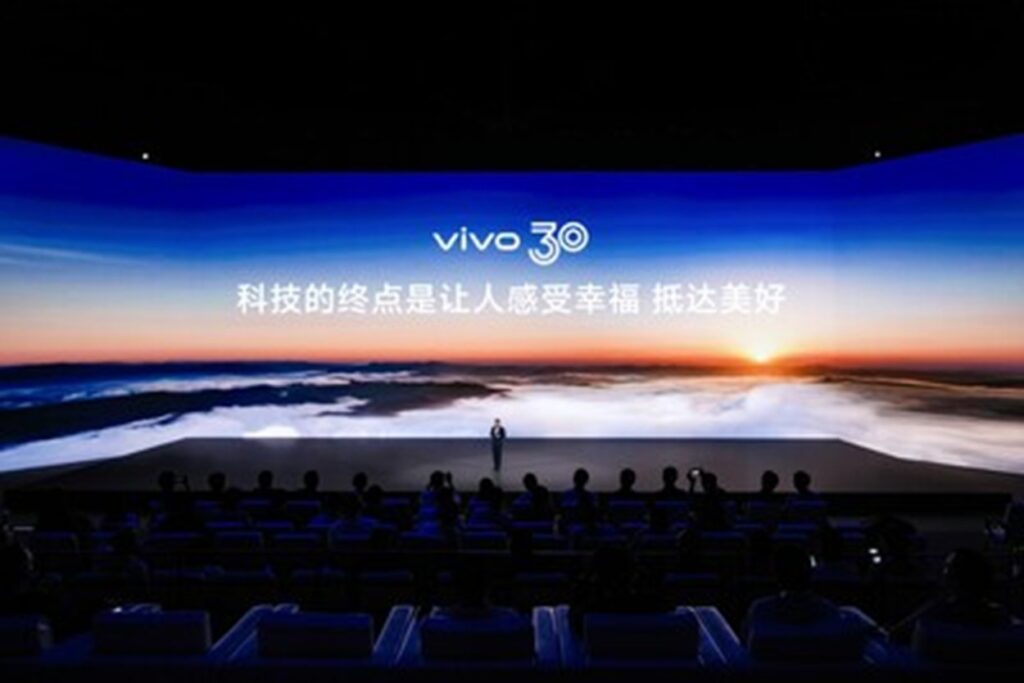
I’m sitting here, staring at my computer, thinking about what it means for a company to hit its 30th anniversary. Most companies get a cake, maybe a small party, and a half-hearted “congrats.” But vivo, they did things a bit differently. For their big 3-0, they didn’t just reminisce. No, they rolled out something that could change how we see the world, quite literally: the vivo Vision Discovery Edition mixed reality headset. This wasn’t just a product launch; it was a statement. A declaration that vivo isn’t just a smartphone company anymore. They’re playing in the big leagues now, right alongside the tech giants in the new frontier of spatial computing. Vision Beyond Phones: Vivo’s New Era of Tech.
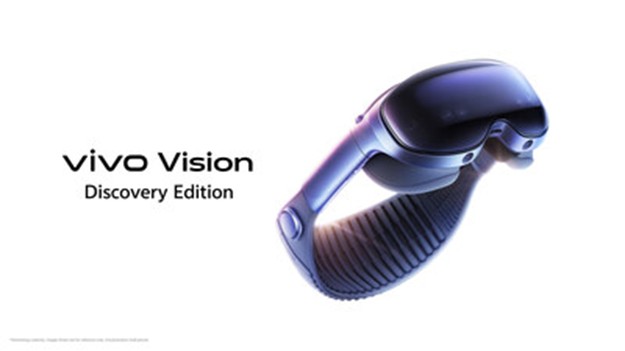
It’s been four years in the making, and you can tell they’ve been sweating the details. The goal, they say, is to take mixed reality from some lab experiment and put it into our daily lives. And they’re not kidding around. The headset is a marvel of human-centered design. Weighing just 398g, it’s 26% lighter than the average headset on the market. That’s a big deal. Anyone who has strapped on a headset knows that after 30 minutes, it feels like you’ve got a small brick tied to your face. Vivo’s focus on user comfort is smart, offering multiple sizes of light seals and eight different foam padding options. It’s a small touch that shows they’ve actually thought about how people will use this thing, not just what it can do.
But let’s talk about what it can do. The vivo Vision Discovery Edition runs on a new OS called OriginOS Vision. Forget tapping and swiping. This is all about natural gestures. You move, you pinch, you interact with information that appears seamlessly in the space around you. It’s an intuitive way to interact with technology, a far cry from the awkwardness we’ve seen in some early VR and AR attempts. The tech inside is equally impressive: 1.5° high-precision eye-tracking, 26 degrees of freedom in fingertip gesture recognition, and a massive vertical tracking range. This isn’t just about pointing and clicking; it’s about moving and feeling like you’re in the experience.
The visual experience is another highlight. It features dual micro-OLED screens that deliver an 8K binocular resolution. That’s a mind-bending amount of detail. The colors are incredibly accurate, with 94% DCI-P3 coverage and DeltaE<2 color accuracy, which, if you’re not a tech geek, just means the colors are as true-to-life as a professional monitor. They even calibrated the brightness and color between the two screens to prevent discomfort. This level of detail shows they aren’t just slapping some screens in a box; they’re creating a high-fidelity visual experience. And under the hood? The latest Qualcomm Snapdragon® XR2+ Gen 2 platform. This thing is a beast, with a 15% faster GPU and 20% faster CPU than its predecessor. It has the raw power to handle the complex, high-speed rendering needed for spatial computing.
So what’s the point of all this power? It’s a gateway to your digital life. Imagine watching a live sports game and being able to switch camera angles or see split-screen views without moving from your couch. Or better yet, imagine your living room transforming into a 120-foot theater screen for a movie night. The possibilities are staggering, and vivo is laying the groundwork for a future where our digital and physical worlds blur.
Capturing the Future: Vivo’s New Imaging Strategy
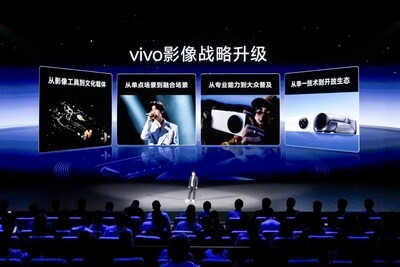
While the MR headset stole the show, vivo also used its anniversary to announce a significant overhaul of its imaging strategy. They’re not just making a new phone with a better camera; they’re building an entire ecosystem. This isn’t just about taking pictures anymore. It’s about an integrated, scenario-based approach that addresses how people use imaging in their lives today. It’s a clever move, a shift from just being a camera-maker to being a technology leader in the entire imaging space.

They’re expanding their focus to include imaging security, health applications, and seamless cross-device experiences. On the security front, they’ve joined the Coalition for Content Provenance and Authenticity (C2PA). This is a big deal in an age of deepfakes and manipulated content. It means they’re committed to ensuring the integrity of the photos and videos we take, making them traceable and tamper-resistant. It’s a smart, user-first approach that builds trust.
For health, they’re taking the Telephoto Macro capability from their vivo X200 series and combining it with medical-grade optics to develop a portable slit lamp. That’s just wild. It’s a powerful idea: using a smartphone’s camera tech to make eye diagnostics more accessible. This is the kind of outside-the-box thinking that separates the innovators from the imitators. And when it comes to cross-device experiences, they’re all in. They’re making it possible to create and view spatial video and 3D imaging on their phones and then seamlessly experience it on the new Vision Discovery Edition headset. It’s a complete, integrated loop, a sign of a company thinking about the entire user journey, not just a single product.
A Partnership of Visionaries: Vivo and ZEISS
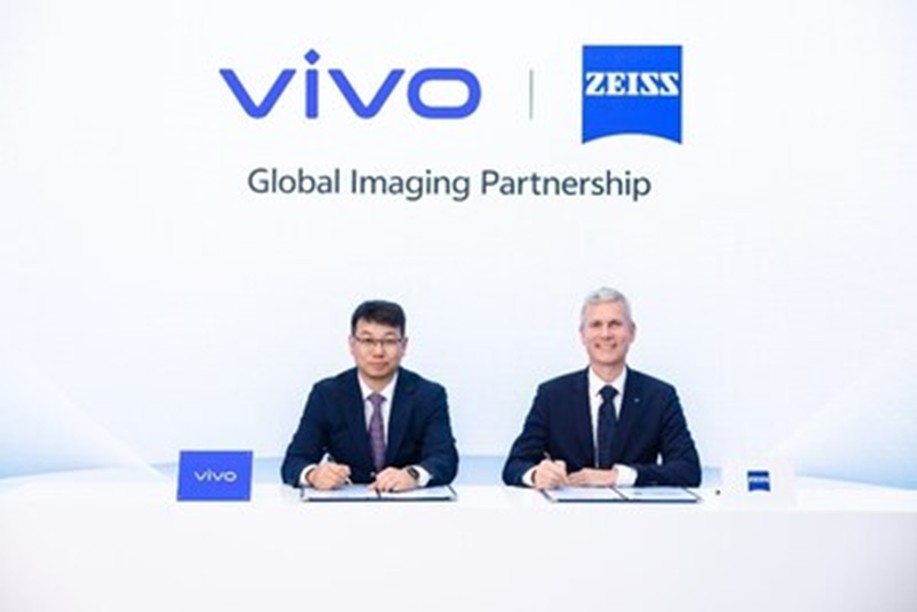
Speaking of innovators, let’s talk about the partnership between vivo and ZEISS. They’ve been working together for five years, and now they’re entering a new era. This isn’t just a branding exercise. It’s a deep, technical collaboration that has pushed the boundaries of mobile imaging. According to André Kutz, the head of ZEISS Photonics & Optics, this partnership goes beyond just hardware or software. They’re actively learning from each other, a process he says is driven by the needs of consumers. It’s a beautiful picture of two companies with different strengths coming together to create something truly special. Vision Beyond Phones: Vivo’s New Era of Tech.
Vivo is also pushing its self-developed imaging technology. They’re not just relying on ZEISS. The company is using an integrated approach that ties together their chips, sensors, and algorithms. The VS1 pre-processing chip works with the V3+ imaging chip to handle complex scenarios, especially for portraits, ensuring details are clear and natural. The sensors are moving from single-breakthroughs to a more holistic, system-level integration. And their large-model algorithms, like the AI Photo Enhance feature, are leveraging the power of AI to sharpen images and improve scene perception. They’re even working on algorithms for 30x telephoto performance that combines image restoration and reconstruction. It’s a whole new world of zoom, and vivo is leading the way.
A Culture of Creativity: The VISION+ Ecosystem
Vision Beyond Phones: Vivo’s New Era of Tech. Beyond the tech, vivo is also building an imaging culture ecosystem. They’re not just giving people tools; they’re encouraging them to be artists. It’s a smart move to foster a community around their products. They’re doing this by reaching out to younger audiences with initiatives like the “Capture the Future” short film competition with UNESCO and partnering with the China Photographers Association for the first National Mobile Photography Exhibition. It’s a brilliant way to reposition mobile photography from a simple snapshot to a legitimate art form.
The culmination of this effort was the announcement of the 2025 vivo VISION+ Mobile PhotoAwards winners. The contest received over 500,000 submissions from all over the globe, all captured on vivo smartphones. It’s a testament to the power of the technology and a beautiful demonstration of what’s possible when you put professional-grade tools in everyone’s hands. The winning photos reflected authentic, everyday moments, showing that you don’t need a bulky DSLR to capture something meaningful. You just need a good eye and a good smartphone.

Vision Beyond Phones: Vivo’s New Era of Tech. At the end of the day, vivo’s 30th-anniversary event wasn’t just a celebration of the past. It was a clear, ambitious look into the future. They’re not just making phones anymore. They’re making headsets that could change how we interact with technology. They’re building a new imaging ecosystem that pushes the boundaries of what’s possible. And they’re fostering a community of creators who are using their technology to tell their own stories. Vivo has always been a quiet force in the tech world, but with this latest announcement, they’ve made it clear they’re ready to make some noise. I’m sitting here, staring at my computer, thinking about what it means

With three decades of innovation as its foundation, vivo reaffirms its commitment to user-centric innovation, technical excellence, and long-term collaboration to shape the future of imaging.
Stay informed of latest vivo news at https://www.vivo.com/en/about-vivo/news
