
VinFast and Green GSM Drive Everyday EV Adoption
VinFast and Green GSM Drive Everyday EV Adoption
Electric Mobility as a Daily Encounter
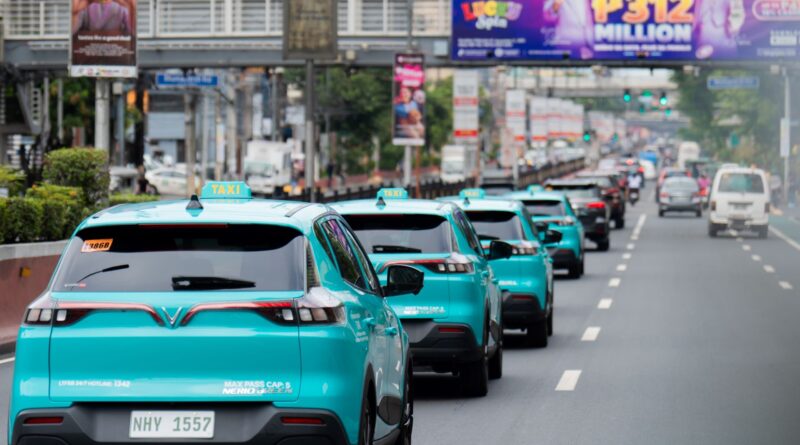
In Metro Manila, the electric revolution isn’t arriving through glossy showroom unveilings or government speeches. It’s arriving in traffic. Specifically, in the form of Green GSM’s VinFast-made electric taxis, painted in their signature blue-and-green livery. VinFast and Green GSM Drive Everyday EV Adoption
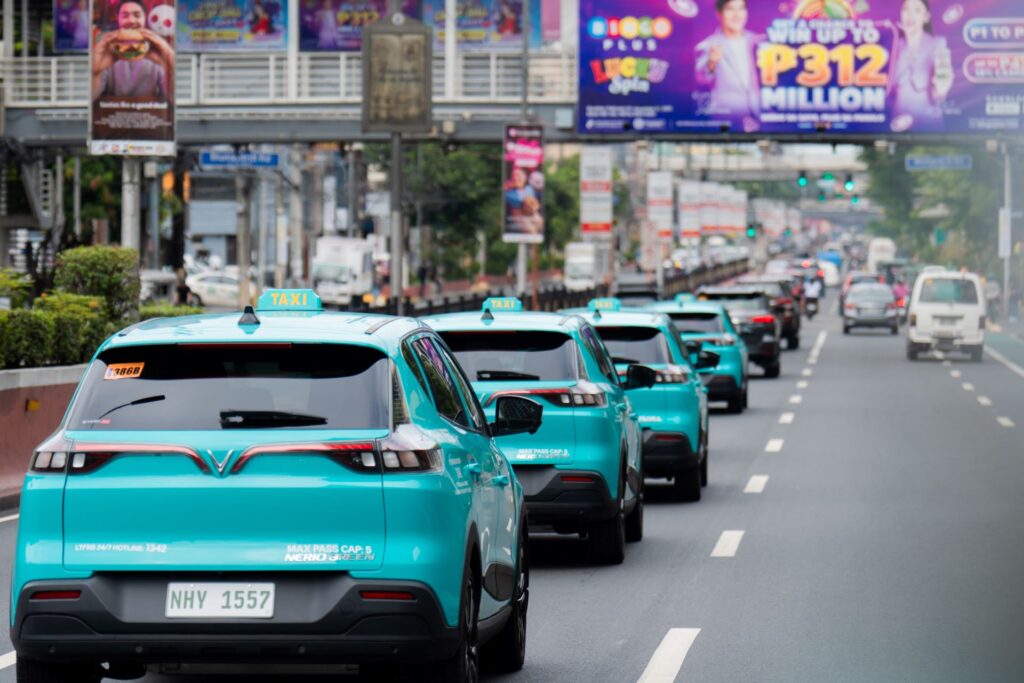
Since their launch in June, these EV taxis have become a familiar sight on EDSA, Quezon Avenue, and countless side streets. For many Filipinos, this is their first real encounter with electric mobility—not as a concept, but as a ride they can book, pay for, and experience firsthand.

The first few minutes of a ride often feel like a Q&A session. Passengers ask: How far can this go before charging? Is it more expensive than a regular taxi? And then comes the realization: it feels the same, but quieter, smoother, and somehow fresher.
Drivers, too, have adapted. Many were trained to explain EV basics, but most conversations happen naturally. One driver, Tarwin S., a 51-year-old former gasoline taxi operator, summed it up: “I feel less tired, the costs are lower, and I take home more earnings.” That’s not just a testimonial—it’s a business case.
Familiarity as the First Step
There’s a psychology at play here. People trust what they experience. A single ride in an EV taxi can shift perception more effectively than a dozen press releases.
We’ve seen this before. In China, millions of residents became accustomed to EVs not through private ownership, but through public taxis and buses. The soundscape of the city changed first, and acceptance followed. Manila’s growing fleet of Green GSM taxis is following the same pattern.
For me, this is the smartest way to normalize EVs in the Philippines. Instead of waiting for private buyers to take the plunge, let the public experience it in small, everyday doses. It’s like a free trial of the future.
The Infrastructure of Confidence
Of course, curiosity and novelty aren’t enough. For EVs to stick, there has to be infrastructure. And this is where VinFast steps in.
The Vietnamese automaker isn’t just supplying cars—it’s building an ecosystem. Through its partnership with V-Green, a global EV charging developer, VinFast is working toward a target of 15,000 charging ports. Add to that a growing network of dealerships and authorized service centers, and you start to see the scaffolding of a sustainable EV market.
Why does this matter? Because the biggest barriers to EV adoption are psychological. Range anxiety. Fear of repair costs. Uncertainty about financing. Each charging station, each trained technician, each financing deal chips away at those doubts.
When you see a charging station at a mall or office, it sends a subtle but powerful message: this isn’t temporary. This is here to stay.
Technology That Makes It Work
Let’s talk tech, because that’s where the real story lies.
- Battery Safety: VinFast equips its EVs with advanced battery management systems designed to prevent overheating and extend lifespan. For drivers who spend 10–12 hours on the road, this isn’t just a feature—it’s peace of mind.
- Fast Charging: With DC fast charging, these taxis can go from 30% to 80% in under 30 minutes. That’s a coffee break, not a downtime disaster.
- Fleet Optimization: Green GSM uses telematics to monitor vehicle performance, charging patterns, and driver efficiency. This data-driven approach ensures the fleet runs smoothly and sustainably.
- Ride Comfort: EVs inherently produce less vibration and noise. For passengers, that means a smoother ride. For drivers, it means less fatigue after long shifts.
For readers, the benefit is clear: this isn’t just about cleaner air. It’s about better rides, lower costs, and smarter systems that make daily commutes less stressful.
Policy Meets Practice
The Electric Vehicle Industry Development Act (EVIDA) provides the policy framework for EV adoption in the Philippines. But policies only go so far. What Green GSM and VinFast are doing is turning policy into practice.
Every new charging site creates jobs for electricians, engineers, and software specialists. Every EV taxi on the road reduces tailpipe emissions. Every driver who switches from gasoline to electric takes home more earnings. The ripple effects are real, measurable, and local.
This is how technology adoption should work: not as a top-down mandate, but as a bottom-up experience that benefits everyone involved.
My Take: Why This Matters
I’ve covered enough tech launches to know that hype doesn’t always translate into impact. But what’s happening with Green GSM and VinFast feels different.
Why? Because it’s visible. You don’t need to attend a summit or read a white paper to see it. You just need to book a ride. That’s the genius of this approach—it democratizes the EV experience.
For me, the most exciting part isn’t the cars themselves. It’s the ecosystem being built around them. Charging stations in malls. Financing deals with local banks. Service centers with trained technicians. These are the invisible gears that make the visible change possible.
And let’s not ignore the humor in all this: Manila traffic is still Manila traffic. An EV taxi won’t teleport you past gridlock. But at least when you’re stuck on EDSA, you’ll be stuck in silence, with lower emissions and maybe even a chilled drink from the driver’s cooler. That’s progress, Manila-style.
The Sound of Change
In the end, the most convincing sign of progress may not be in the numbers. It may be in the sound—or the lack of it.
As more EV taxis hit the streets, the familiar roar of engines is slowly giving way to something gentler. A hum. A silence. A subtle shift in the city’s soundtrack.
That silence doesn’t announce a revolution. It whispers that one is already underway.
