

The Portrait Master is Back, Is It Photography King?
The Portrait Master is Back, Is It Photography King?
The Big Camera Swap: A Bold New Bet
Alright, let’s talk about the hardware. Because honestly, this is where vivo made the most fascinating decision with the V60. You’ve got a triple-camera system on the back, and it’s not what you’d expect if you were coming from the V50. The main shooter is a beastly 50MP Sony IMX766 with OIS, a sensor we’ve seen do wonders before. The selfie camera, a 50MP Samsung JN1, is also top-notch. But the real story is what’s between them. The Portrait Master is Back, Is It Photography King?
The V60 trades the V50’s 50MP ultrawide for a dedicated 50MP Sony IMX882 telephoto lens, which they call the 50MP ZEISS Super Telephoto Camera. This new lens, with OIS and a periscope structure, gives you up to 3x optical zoom. Think about that for a second. They completely sacrificed the high-resolution ultrawide that made the V50 so versatile for a dedicated telephoto. It’s a bold move, almost like trading your favorite pair of sneakers for a brand new one-of-a-kind sports car. A very niche, very specific kind of upgrade. And for what it’s worth, I think it was the right call. The ultrawide is now just a sad, lonely 8MP sensor. It’s the one part of the camera system that feels like an afterthought.
Shooting In The Sunlight
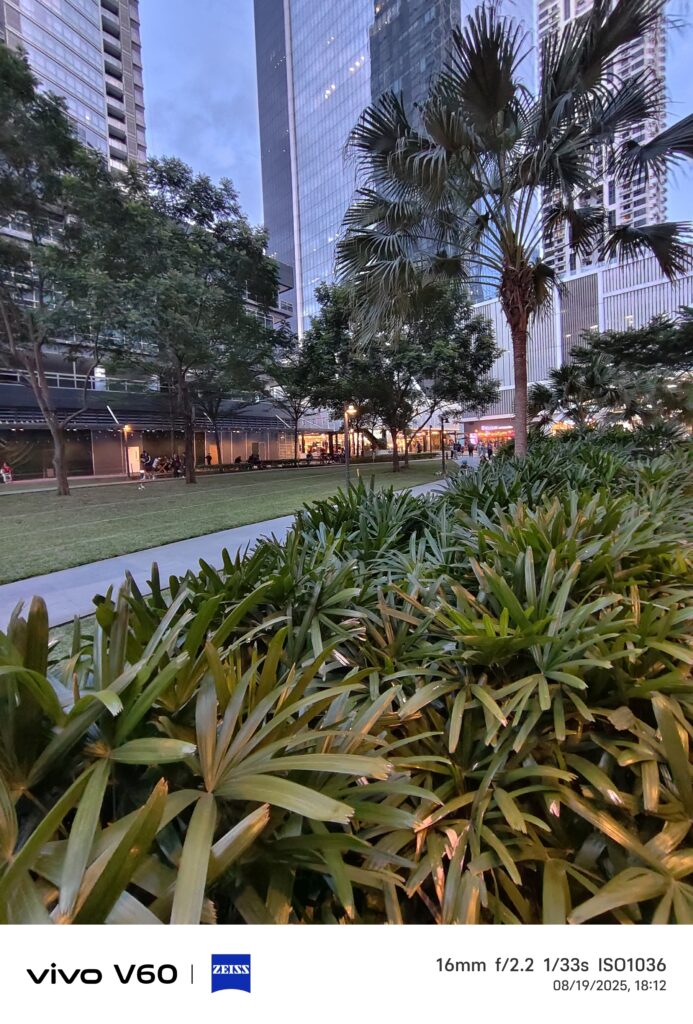
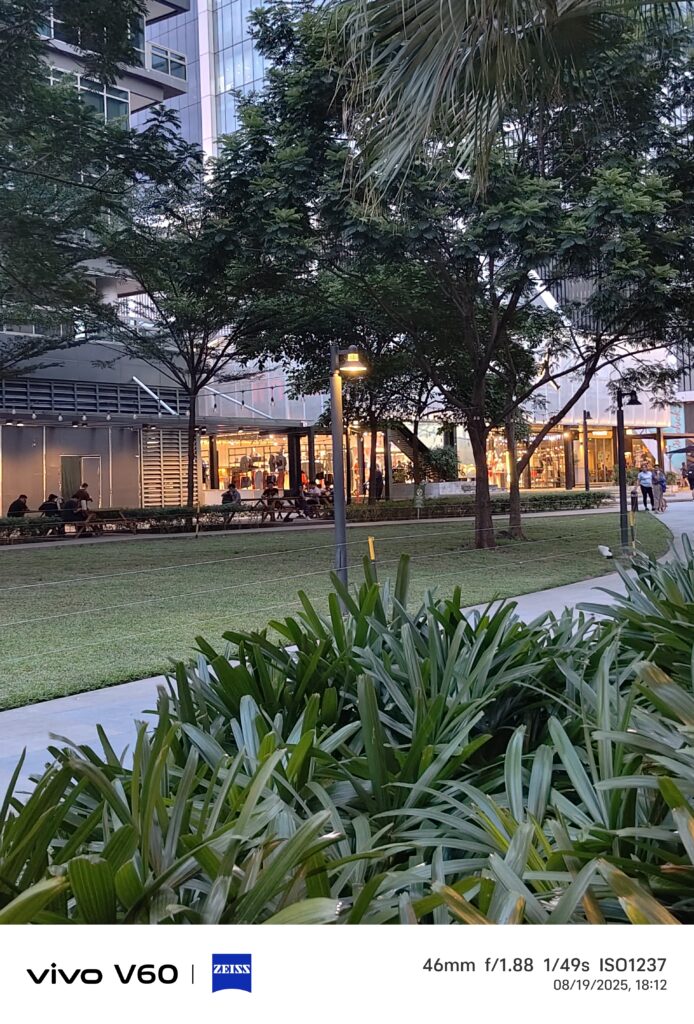
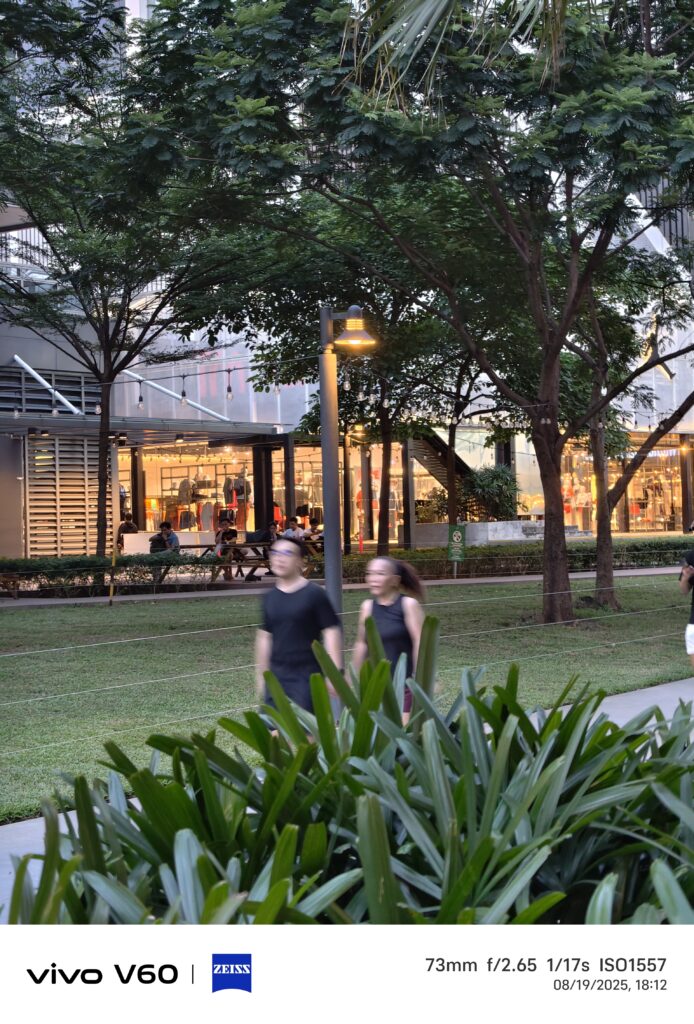
In good light, the V60’s main camera is a dream. The 50MP sensor captures an insane amount of detail. The dynamic range is so good it almost feels like cheating. Shadows are well-defined, highlights are perfectly preserved. No blown-out skies here, thank you very much. Now, by default, the colors are a bit… enthusiastic. vivo calls it “ZEISS Vivid,” and it’s punchy, saturated, and great for social media. But if you’re a purist, if you want something that looks more realistic, you just tap the “ZEISS Natural” filter. And man, what a difference. The colors suddenly become muted, true to life, and frankly, more professional.
Then there’s the 50MP ZEISS Super Telephoto Camera. This is the star of the show. The 3x optical zoom is crisp. You can actually see the textures on faraway buildings. It’s not just a cropped image; it’s a whole new perspective. And yes, you can push it all the way to 100x digital zoom. It’s mostly a novelty, a fun party trick to show your friends. The results are what you’d expect, a pixelated mess. But hey, it’s there if you want to read a sign from a football field away. And the ultrawide? It does the job. Just don’t expect to zoom in on your ultrawide shots and be impressed. You’ll be reminded of the V50 and what was lost.
The Portrait Master’s Arsenal


This is what vivo phones have always been about, and the V60 takes it to another level. With the new telephoto lens and the ZEISS collaboration, you get five distinct focal lengths for portraits: 23mm, 35mm, 50mm, 85mm, and 100mm. It’s like carrying a whole bag of prime lenses in your pocket. Each focal length has a purpose. The 23mm for environmental shots, the 50mm for classic half-body portraits, and the 85mm or 100mm for that beautiful, compressed, headshot look.
The edge detection is frankly, spooky. It’s almost flawless. It can separate a single strand of hair from a complex background. The bokeh is what really sells it. It’s not a harsh cutout; it’s a beautiful, creamy blur that melts away the background. It looks so natural, so professional. It’s not just “portrait mode”; it’s a legitimate creative tool. And for the concert-goers out there, vivo included a “10x Telephoto Stage Portrait” mode. It uses a combination of the telephoto lens and some clever AI to get you clear, stable photos of the artist on stage. Seriously, it’s a concert photographer’s dream.
Chasing Light and Fighting Darkness
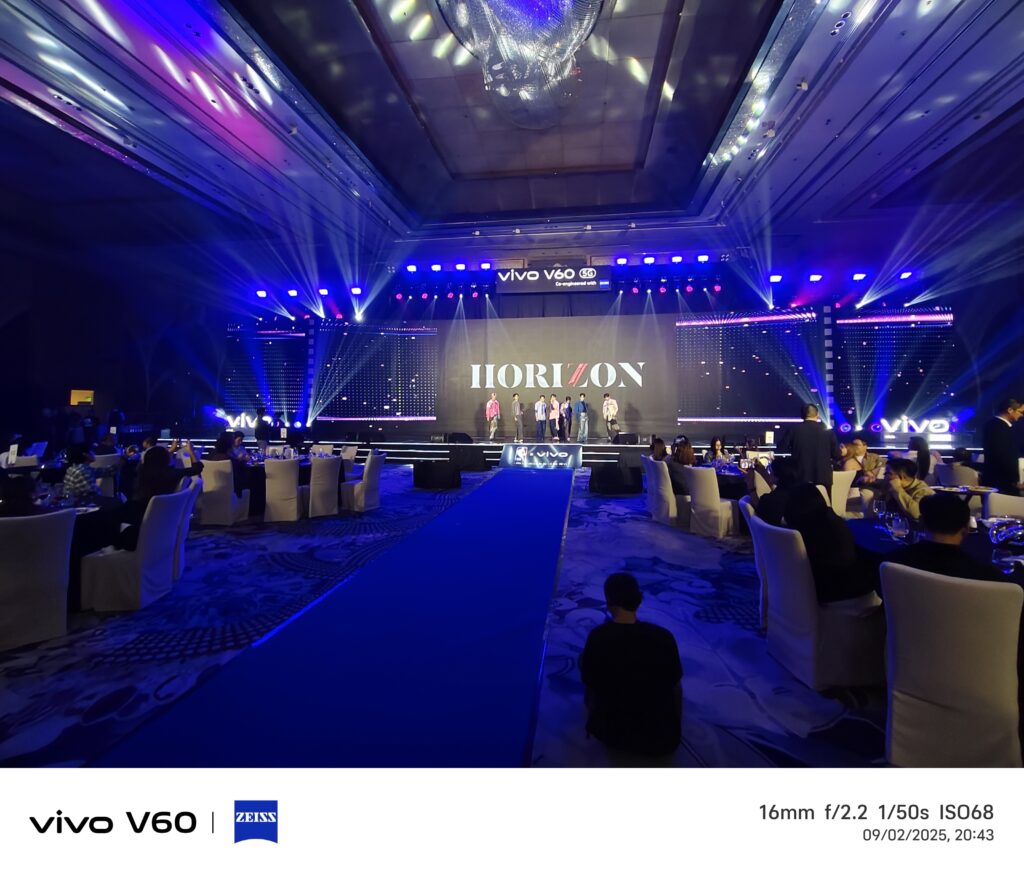
When the sun sets, the V60 still shines. The main camera with its OIS and large sensor handles low light remarkably well. Photos have good exposure and vibrant colors. But here’s a dose of reality: in very low light, you will see a bit of grain. It’s not a dealbreaker, but it’s not a flagship-level performance either. It’s just… average.
But then there’s the Aura Light flash, and this is a game-changer. I have never been a fan of smartphone flashes. They are harsh, blinding, and make everyone look like a ghost. The Aura Light is different. It’s a circular, adaptive fill light that changes color temperature to match the environment. The result? Flattering, soft, and natural-looking light on your subjects, even in a pitch-black room. You just have to see the difference for yourself. It’s wild.
The Gimmicks You’ll Actually Use
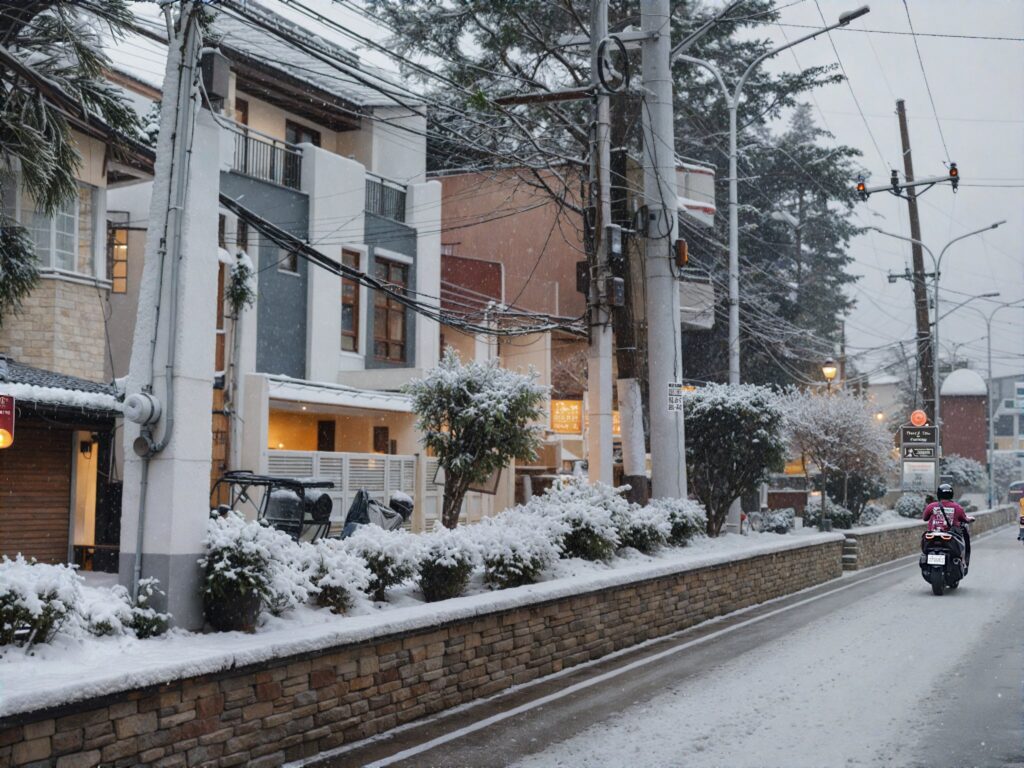
Of course, a new vivo phone wouldn’t be complete without a few head-scratching, yet surprisingly fun, AI features. We’ve got the AI Four-Season Portrait, which can turn a boring photo of a park into a winter wonderland with a single tap. It’s a bit silly, but it looks pretty cool. Then there’s AI Magic Move. You can literally drag a person or object in your photo, and the AI will completely rebuild the background. It’s a kind of party trick that actually works. These aren’t essential features, but they do make the V60 a lot of fun for content creators who like to play around.
The Elephant in the Video Room
As good as the V60 is for photos, its video capabilities are its Achilles’ heel. You’re limited to 4K at 30 frames per second on the main, telephoto, and selfie cameras. No 4K at 60fps. And the ultrawide is capped at 1080p. It’s a bit of a letdown. The footage is stable, and the audio is clear, but it won’t be winning any awards. For casual vlogging and family videos, it’s more than enough. But if you’re a serious videographer, this phone might not be the best choice.
The vivo V60 is now available for pre-order for as low as Php 28,999. Get up to Php 2,500 discounts and more than Php 8,000 worth of freebies. Visit the nearest vivo concept store, kiosk, and authorized dealer now.
