
Samsung’s Solve for Tomorrow 2025: Tech-Powered Ideas Shaping the Future
Samsung’s Solve for Tomorrow 2025: Tech-Powered Ideas Shaping the Future
Grand Prize: Mangrove Health Monitor and the Power of Sensors
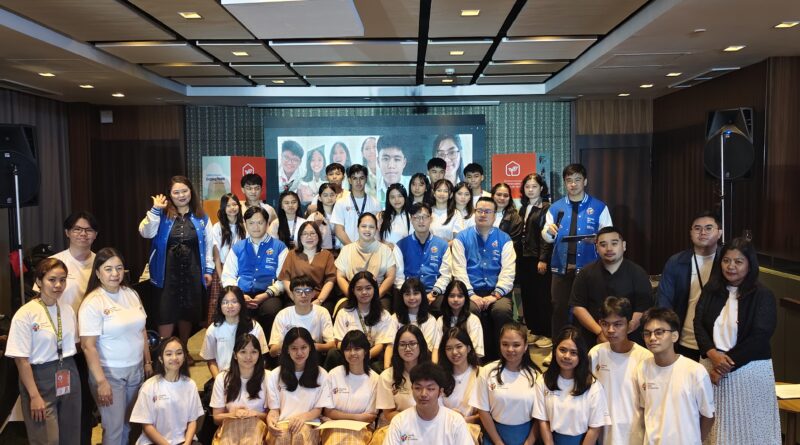
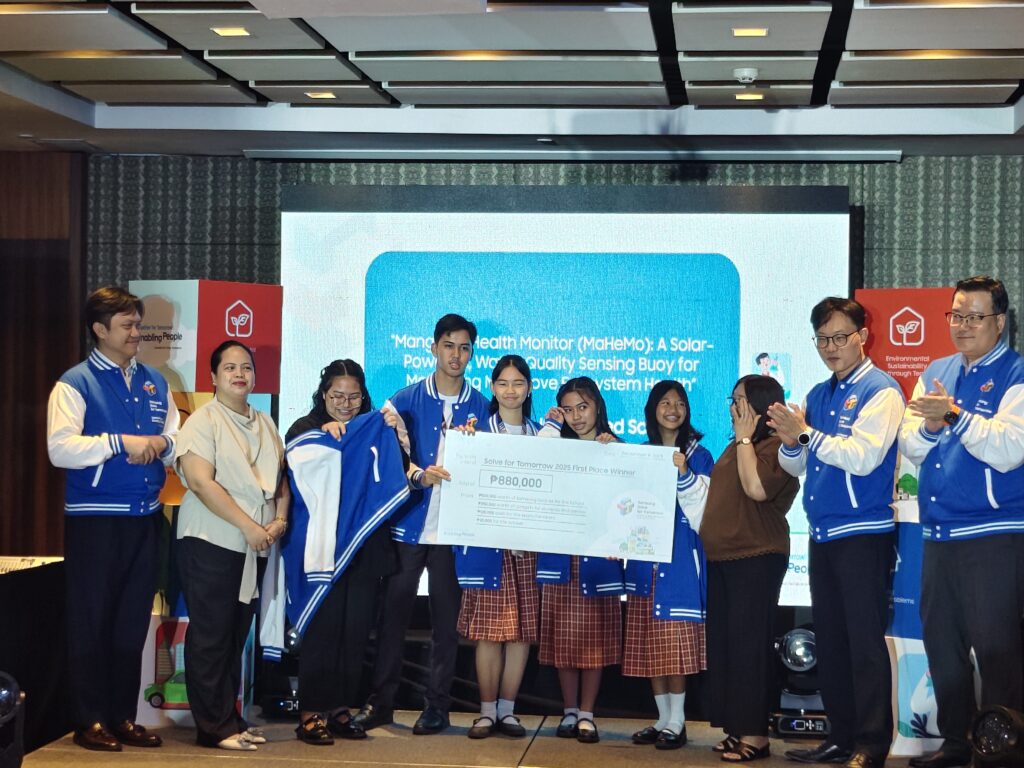
The Grand Prize of Samsung’s Solve for Tomorrow 2025 went to Cavite Science Integrated School, whose team developed the Mangrove Health Monitor (MaHeMo). This solar-powered buoy system uses sensors to track water quality in mangrove ecosystems—measuring salinity, turbidity, pH, temperature, and dissolved oxygen. Samsung’s Solve for Tomorrow 2025: Tech-Powered Ideas Shaping the Future
The brilliance of this project lies in its simplicity and scalability. By continuously monitoring mangrove health, communities gain real-time data to protect ecosystems that serve as natural barriers against flooding and nurseries for marine life.

I’ve always said sensors are the unsung heroes of modern technology. For readers, this means MaHeMo is proof that environmental monitoring doesn’t need to be expensive or complicated. And yes, it also means you can finally stop saying, “Science projects are just for classrooms.”
Second Prize: EGGNovation and Image Processing in Agriculture
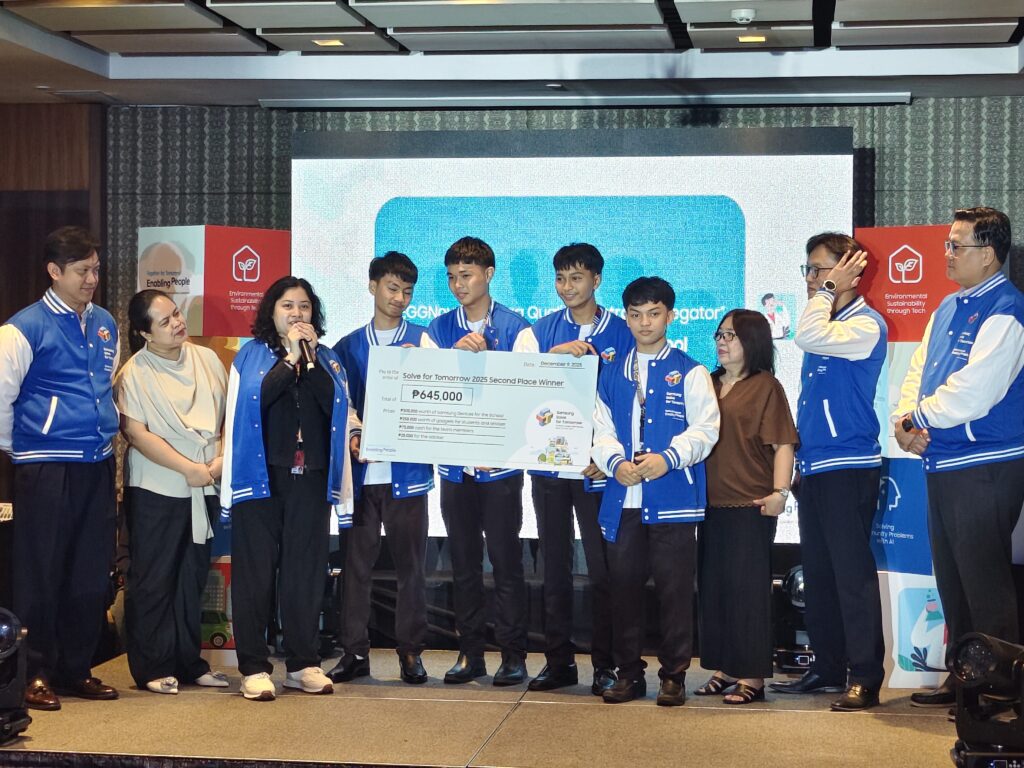
Also from Cavite Science Integrated School, the EGGNovation project took second place. This egg quality control segregator integrates a conveyor system with an image processing program to automatically scan and sort eggs based on yolk freshness.
The technology here is fascinating. By combining mechanical automation with computer vision, the system reduces labor, minimizes errors, and boosts productivity in egg sorting—a process often done manually.
I’ve always argued that agriculture is the ultimate testbed for applied technology. For readers, this means EGGNovation shows how AI and image processing can modernize even the most traditional industries. And yes, it also means you can finally stop saying, “Tech only belongs in offices.”
Third Prize: BANTALAY and Sustainable Pest Control
From Tuguegarao City Science High School, the BANTALAY project secured third place. It’s a solar-powered UV light trap with humidity-based intensity adjustment, designed as a sustainable, low-cost pest control solution.
Instead of relying on chemical pesticides, BANTALAY uses renewable energy and smart adjustments to target pests effectively. This reduces chemical dependency, strengthens agricultural resilience, and promotes sustainable farming practices.
I’ve always said sustainability is the ultimate measure of innovation. For readers, this means BANTALAY proves that pest control can be smart, clean, and affordable. And yes, it also means you can finally stop saying, “Eco-friendly solutions are too expensive.”
The Top 10 Finalists: AI, Sustainability, and Disaster Tech
Beyond the top three, the competition recognized seven other finalists, each tackling real-world problems with technology:
- FloodSafe Routes AI: Smart route and hazard mapping system for schools.
- SINAG: Eco-sustainable carbon dots from biomass for solar light harvesting.
- The S.W.E.A.T Project: Wearable tech for monitoring environmental and health metrics.
- S.A.G.I.P.: Solar-powered autonomous geolocation protocol for disaster mitigation.
- ShellTer: Earthquake-resistant precast using walnut and pistachio shell waste.
- Plasfix: Forecasting rabbitfish catch volume by evaluating plastic-induced seagrass decline.
- VITALBAND: Galaxy AI-integrated health and disaster monitoring wristband.
Each of these projects demonstrates how students are applying AI, renewable energy, and sustainable materials to solve pressing community challenges.
I’ve always argued that innovation thrives at the intersection of necessity and creativity. For readers, this means the next big idea might just come from a high school science lab. And yes, it also means you can finally stop saying, “Students can’t solve real problems.” Samsung’s Solve for Tomorrow 2025: Tech-Powered Ideas Shaping the Future
Technology as a Community Enabler
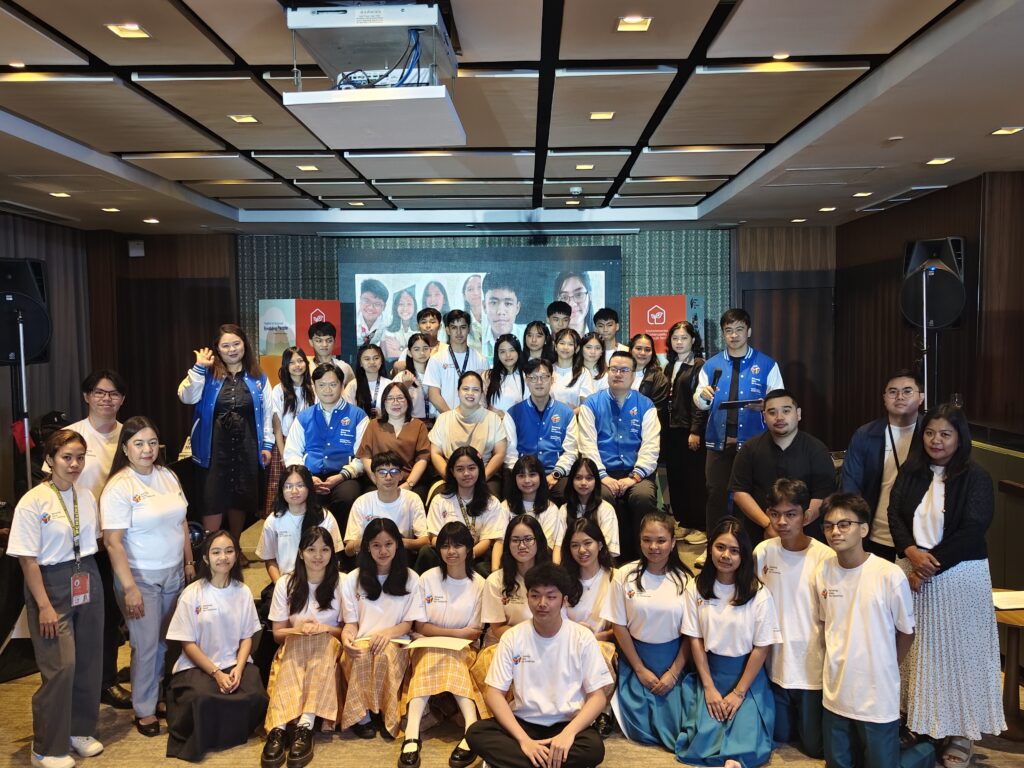
The Solve for Tomorrow competition has evolved from a simple essay contest in 2010 into a platform for real-world innovation. Over 15 years, Samsung has empowered students to use design thinking and technology to address community challenges.
This year’s themes—Environmental Sustainability through Technology, Social Change through Tech and Sport, and Solving Community Problems with AI—reflect the growing importance of technology as a community enabler.
I’ve always said competitions should be more than trophies. For readers, this means Solve for Tomorrow is about equipping young innovators with tools, skills, and confidence to tackle real issues. And yes, it also means you can finally stop saying, “Tech contests are just for bragging rights.”
Rewards That Fuel Innovation
The prizes are substantial. The grand winners received ₱500,000 worth of Samsung devices for their school, ₱250,000 worth of devices for the team and teacher, plus ₱100,000 in cash for the students and ₱30,000 for their adviser.
Second prize winners took home ₱300,000 worth of devices for their school, ₱250,000 for the team and teacher, ₱70,000 in cash for the students, and ₱25,000 for their adviser.
Third prize winners received ₱200,000 worth of devices for their school, ₱250,000 for the team and teacher, ₱50,000 in cash for the students, and ₱15,000 for their adviser.
The remaining top 10 teams received ₱15,000 in cash for their team and ₱5,000 for their teacher.
I’ve always argued that incentives matter. For readers, this means Samsung is investing in the future by rewarding innovation with resources that fuel further creativity. And yes, it also means you can finally stop saying, “Competitions don’t change lives.”

Samsung’s Vision: Together for Tomorrow
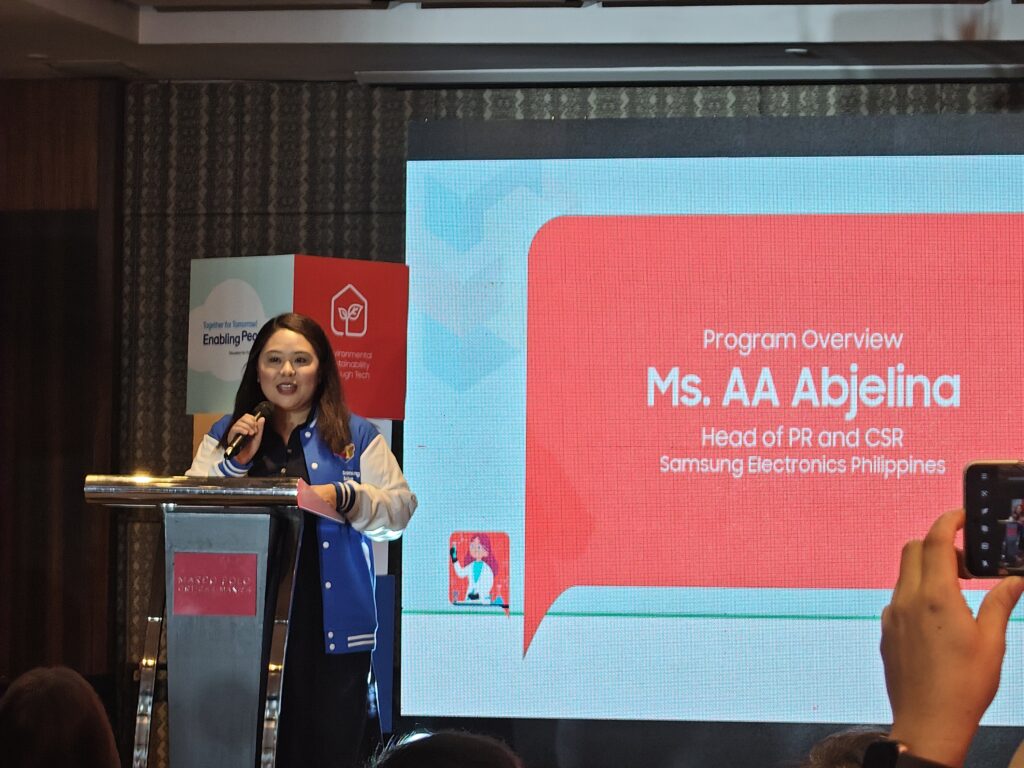
Roman Han, President of Samsung Philippines, emphasized the company’s mission: “Our success is inseparable from the progress of the communities we serve. Solve for Tomorrow embodies this belief by empowering the next generation of heroes nationwide.”
Guided by the vision “Together for Tomorrow: Enabling People,” Samsung has spent 15 years enabling future leaders to transform ideas into meaningful impact.
I’ve always said corporate responsibility should be measured by empowerment, not press releases. For readers, this means Samsung is showing how technology companies can nurture innovation at the grassroots level. And yes, it also means you can finally stop saying, “Tech giants don’t care about communities.”
My Take: Why Solve for Tomorrow Matters
I’ve covered countless competitions, but Solve for Tomorrow stands out because it blends technology, education, and community impact. It’s not just about gadgets—it’s about ideas that solve real problems.
What I like most is the diversity of solutions. From mangrove monitoring to egg sorting, pest control to disaster mapping, these projects prove that technology can be applied anywhere.
For readers, the benefit is clear: Solve for Tomorrow isn’t just inspiring—it’s practical. It shows how young innovators can use technology to improve lives, protect ecosystems, and strengthen communities. And yes, it also means you can finally stop saying, “Innovation is only for adults.”
Technology That Serves the Next Generation
At its core, Solve for Tomorrow is about technology serving the next generation. It’s about empowering students to think critically, design creatively, and act responsibly.
For readers, this means the competition is shaping future leaders who will use technology not just for profit, but for progress. And yes, it also means your next community hero might just be a teenager with a prototype.
For more information on Samsung’s Solve for Tomorrow program in the Philippines, you can visit https://www.samsung.com/ph/solve-for-tomorrow/. Learn more about Samsung’s innovative projects by visiting https://www.samsung.com/ph/.
